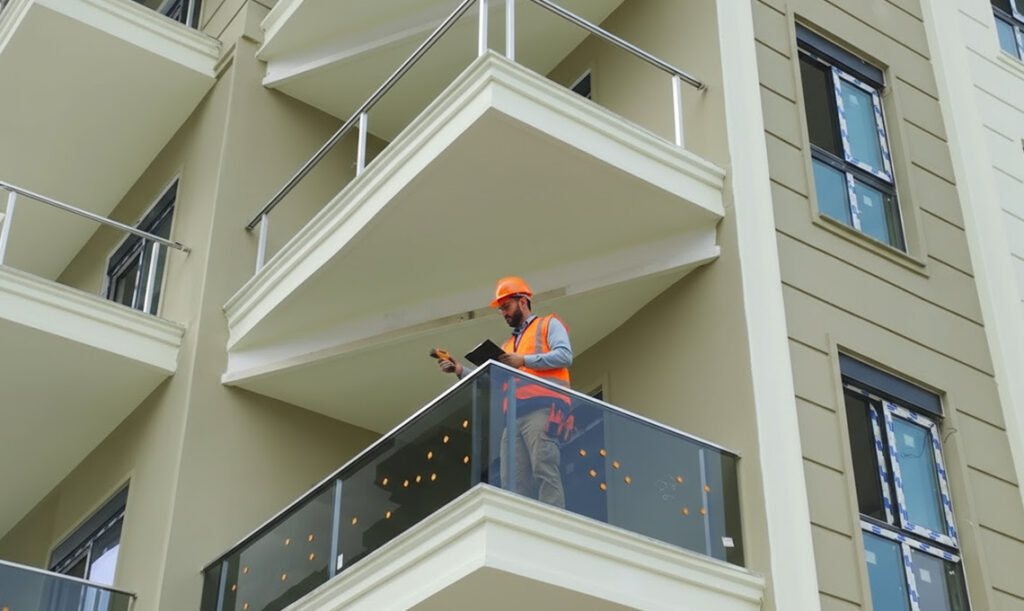
The law says licensed experts have to check all elevated exterior elements that sit 6 feet or more above the ground. This means balconies, walkways, and stairways where residents and visitors walk. Your inspector has to be a licensed architect, structural engineer, general contractor, or certified building inspector. Once you finish your first inspection, you’ll need to schedule the follow-ups every 6 years.
For your properties, wood-framed structures get extra attention because moisture damage was the culprit in the Berkeley tragedy. The state wants at least 15% of every type of exterior feature to be inspected as a sample of the whole property. Documentation is a big part of compliance, too – you have to hold onto all your inspection reports for 2 full cycles. That means 12 years’ worth of paperwork that you need to store and track.
Let’s talk about what this new law means for property owners across California!
What You Need for SB 721
California’s balcony inspection law exists now because of a few deadly collapses that shook up the entire state. Berkeley saw the worst one in 2015 when a balcony completely gave way during a party, and 6 students lost their lives. What happened in California actually has quite a bit in common with the Grenfell Tower fire in London. The government had to completely overhaul its building safety laws overnight once everyone realized that the cladding on that building was a death trap waiting to happen.
Landlords have to schedule inspections for their elevated exterior elements every 6 years, and this applies to any building with 3 or more units. The laws cover balconies and walkways that are at least 6 feet above the ground level, and yes, stairways at that height need to be inspected, too. They’re all considered to be part of the same inspection laws.
Wooden structures are actually one of the state’s biggest worries, and it makes sense why. Moisture can rot them from the inside out, and nobody has any idea that it’s even happening. The damage can be severe and dangerous. But you won’t know that there’s a problem until the whole structure collapses.
Licensed architects are fine to use. Structural engineers who have the right credentials can do it as well. You can also hire certified building inspectors, though they need to have the right training for this exact type of inspection work. Whatever you do, don’t make the mistake of hiring your cousin who “knows construction” or your handyman friend because the state won’t accept their report, and you’ll be right back where you started.
It’s not a one-and-done situation where you can just check the structures once and then never worry about it again, since the 6-year inspection cycle continues. Properties need these regular checkups specifically to catch problems way before they turn into disasters. A lot of landlords have the misconception that older buildings somehow get a pass on these laws, and that’s just not the case at all. As long as your building has 3 or more units and has elevated walkways that are above 6 feet, then you have to comply with the law – the age of the building doesn’t matter at all.
Budget for Both Inspections and Repairs
Money is obviously a big concern with these mandatory inspections since they’re definitely not free. Property owners are usually looking at anywhere from $150 to $500 for each balcony inspection, and a few factors will play into where you’ll land in that range. Location matters quite a bit – a building in downtown Los Angeles is almost always going to cost more to check than a similar property out in the suburbs.
Inspector rates are all over the map, and there’s a logical reason for it. Some inspectors charge more because everyone wants them, or they have skills that others don’t. Buildings with unusual architecture or hard-to-reach balconies will also bump up the inspection cost.
West Los Angeles had a devastating balcony collapse back in 2019 that highlighted why these inspections are so necessary. A few residents lost their lives when that structure failed. No property owner wants to face that tragedy, and no amount of cost savings could ever justify that level of danger.
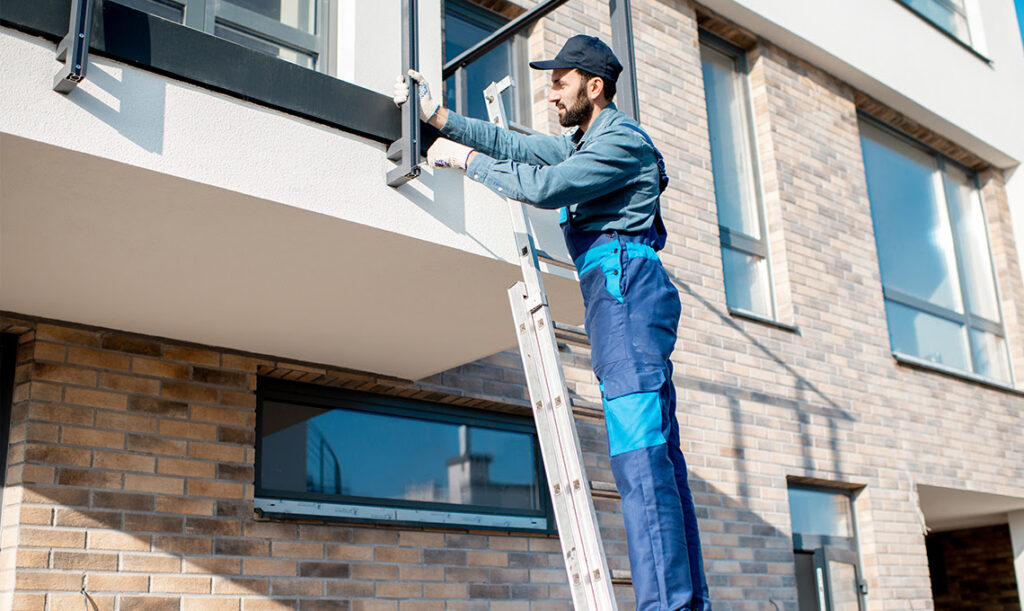
Most landlords don’t know that the inspection fee is only the first expense they’ll face. Property owners who’ve been at this for some time usually set aside 2% to 5% of their property’s value for maintenance and repairs. That sounds like quite a bit of money, and it definitely is. But you’ll need every penny when something goes wrong.
The financial reality can be brutal once inspectors start uncovering big problems. Dry rot is especially nasty because it can spread quietly for years without anyone’s knowledge. Entire support beams might need to be replaced, and suddenly you’re looking at repair bills in the 5-figure range. A colleague just told me about their balcony situation, where the inspection turned up massive structural damage across only 3 balconies, and the final repair bill was $30,000.
Financial planning for these scenarios should be a priority right now. Monthly contributions to a repair fund are a good idea if you haven’t started one already. Plenty of landlords have set up a dedicated account just for balcony maintenance, and others are adding more to their existing reserves to cover these new laws.
Legal Risks and Your Insurance Coverage
The legal consequences of California’s balcony inspection law extend way beyond monetary fines that the state might impose. The Berkeley balcony collapse in 2015 is a terrible reminder of what can happen when these structures fail – 6 college students lost their lives in that incident. The property owners in that case ended up facing more than $60 million in lawsuit settlements, and the legal battles dragged on for years afterward. The financial losses from those lawsuits completely dwarfed what any routine inspection would have cost them.
Insurance carriers are very strict about these liability situations, and for valid reasons. If a visitor gets hurt on your property and you haven’t kept up with all the safety inspections that they want to see, then your insurance carrier can flat-out refuse to cover the claim. The very first move an insurance adjuster makes is to ask for your inspection records and proof of maintenance. Without the right paperwork in hand, or if you’ve let repair deadlines slide, then the insurance company can just walk away from the whole situation. At that point, any settlement or court judgment falls squarely on you, and the money has to come straight out of your own pocket.

The possibility of criminal charges makes this situation even worse for property owners. California prosecutors have the authority to file involuntary manslaughter charges against landlords whose negligence leads to someone’s death. Fortunately for responsible property owners, the law gives you some strong protection if you stay current with inspections. Lawyers refer to this protection as a safe harbor provision for landlords who maintain the right documentation. Your inspection reports and repair records become the solid evidence that you’ve acted as a responsible property owner. This paper trail then serves as your strongest defense if an incident ever does happen on your property.
Judges and juries usually view landlords much more favorably when those landlords can show full compliance with all inspection laws. Even in cases where an accident happens in spite of your maintenance work, your documented compliance proves that you weren’t negligent. This distinction makes all the difference in how civil cases and possible criminal charges turn out.
How to Handle Tenants During Inspections
The biggest problem with balcony inspections isn’t the inspection itself or the paperwork that goes along with it. The real problem is tenant cooperation, and landlords who’ve been through this process before know just what I mean.
California law says that property owners need to give a minimum of 30 days’ warning before any inspector sets foot on the property. Direct communication about what’s going to happen, when it’s going to happen, and why it needs to happen makes all the difference in how tenants respond to the whole situation.
Chicago had to learn this the hard way back in 2003 when a porch collapsed and killed 13 residents. The city rushed to put inspection laws in place that were identical to what California has now, and the tenants completely lost their minds over it. Everyone was convinced that they’d have to pack up and leave during the inspections, and landlords spent months handling angry phone calls and frustrated emails from residents who had no idea how the process actually worked.

One of the hardest situations happens when inspectors have to go through someone’s bedroom just to reach the balcony. Nobody wants strangers in their bedroom, and property managers do need to address this concern early on in the letter that they send out.
Repairs usually lock tenants out of their balconies for days or weeks at a time. Experienced landlords will give a modest rent reduction for that month or offer temporary access to other amenities. These small gestures can stop bad reviews and stop tenants from contacting housing authorities.
The inspection process has one main job – it protects residents from tragedies that never had to happen.
Other Options for Property Owners
Some landlords are now taking a pretty radical step with these mandatory inspections. A lot of property owners would rather just tear down their balconies than pay for all the testing and repairs year after year. This might sound crazy, but the math actually makes sense for quite a few buildings. The costs add up fast, and for some properties, removing the balconies completely ends up being the most sensible financial choice they can make.
Older San Francisco buildings have been especially affected by this trend, and property owners throughout the city have been tearing down their balconies ever since SB 721 was finalized. The economics make more sense when you sit down and calculate what you’ll be spending on mandatory inspections every 6 years for the next few decades, along with all the inevitable repairs and maintenance work – that one-time removal cost suddenly starts to look pretty smart. One building owner in the Mission District recently spent $40,000 to remove 8 balconies from his property. That exact same amount of money would have only covered about 15 years’ worth of inspections and the related repair work.
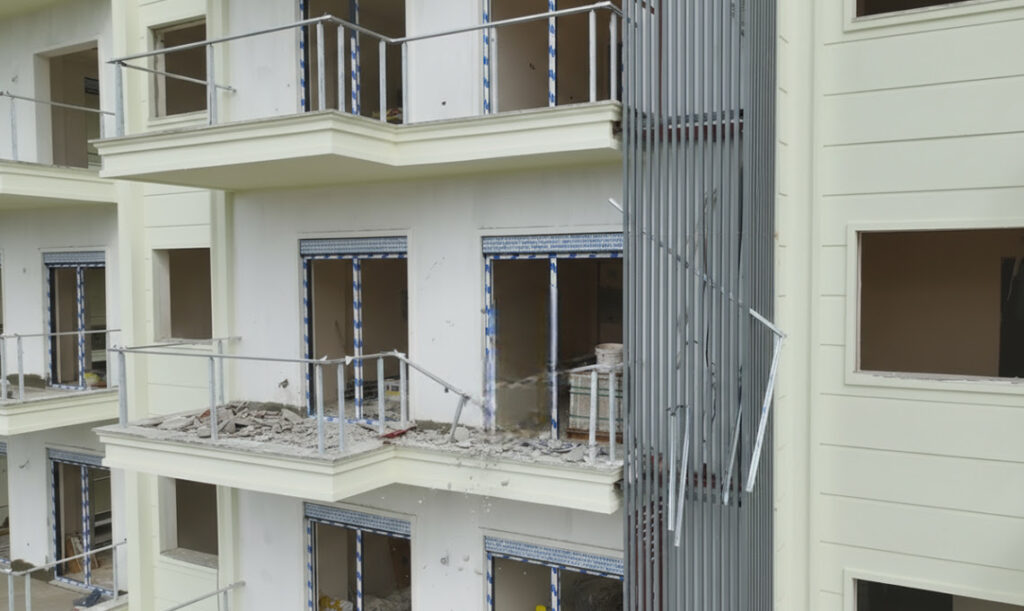
Some property owners choose to convert the balcony into an interior living space. During the conversion, you’ll need to enclose the entire area with the right windows and walls and turn it into an extra room or an extension of an existing one. Of course, this needs all the right permits, and everything has to meet today’s building codes, and it can be a pain to handle. Once the conversion is done, though, the space is no longer subject to any of the balcony inspection laws whatsoever. And as an added bonus, the space now counts as indoor square footage and usually increases the total property value.
Some landlords will actually tear out their old balcony and install a brand new one instead. This might not be the first answer that comes to mind, but a new balcony gives you a fresh beginning for the inspection schedule. You get another full 6 years before that first inspection. Also, newer materials and construction methods are much stronger and last longer than what was available decades ago, so maintenance won’t be nearly as big a headache.
The financial calculations for these different modifications do depend heavily on each property’s particular circumstances. A bigger building that has 20 balconies faces very different economic realities than a smaller property with just 4. Older structures that are always needing expensive repairs and maintenance work might find removal or total replacement to be cheaper in the long run than newer buildings that actually only need basic inspections.
Maximize Your San Diego Rental Property
The January 1, 2025, deadline for balcony inspections has already passed – and at this stage, property owners really can’t wait any longer. Every day without an inspection on the books guarantees that you’ll pay premium prices for rush services. And the timing couldn’t be worse – you’ll need to coordinate with tenants right in the middle of the holiday season when everyone’s already juggling travel plans and family commitments. California implemented these laws after the tragic Berkeley balcony collapse back in 2015, and now every property owner in the state has a whole new set of responsibilities to manage. These inspections are mandatory, and they’re going to happen one way or another, so it makes sense to get ahead of them while you still have some control over the timeline.
Property owners who’ve already completed their inspections have shown a definite pattern – once their properties are inspected and any necessary repairs are finished, they actually feel more confident about their investments. They know just where they stand from a legal perspective, and they have all the documentation they need if any problems come up, and their tenants are happy that safety is being taken care of. That sense of security has some value even if it’s hard to put a dollar amount on it.
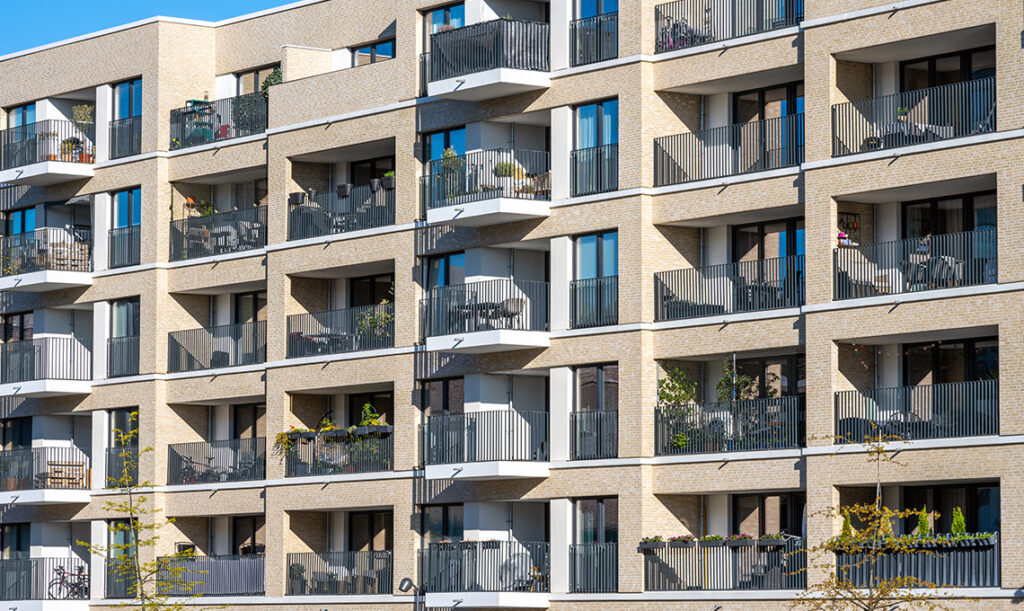
Stepping back to look at the whole situation, compliance with these balcony inspection laws is another part of property maintenance. It’s part of what comes with owning rental property in California now, and resistance only makes the process harder and even more expensive in the long run. The landlords who seem to be managing this most successfully are the ones who view it as an opportunity to improve their properties and build stronger relationships with their tenants. They’re scheduling inspections well past the deadline, combining repair work with other planned maintenance, and taking the chance to check out other areas of their buildings that might benefit from attention.
At Palm Tree Properties, we’ve been guiding San Diego property owners through these types of regulatory changes and challenges for years. We know that running rental properties means that you’ll work with new laws, managing unexpected costs, and coordinating between tenants, contractors, and inspectors. If the balcony inspection laws or any other part of property management becomes too much, we can help make the process easier. You can find out what your property could actually earn while staying compliant with all California laws. Request your free rental property evaluation and find out how we can help maximize your investment returns and ensure your properties stay safe and meet all the latest codes.