Navigating the Housing Choice Voucher (Section 8) program in San Diego requires more than just a basic understanding of tenant placement. For property owners, it is a strategic financial decision that impacts Net Operating Income (NOI), long-term asset stability, and regulatory compliance. At Palm Tree Properties, we specialize in high-performance Section 8 property management in San Diego, ensuring that owners maximize their cash flow while minimizing the administrative burdens of the program.
The landscape of San Diego rental housing changed significantly with the 2019 Source of Income Ordinance, making it illegal to discriminate against voucher holders. However, savvy investors recognize that this program is not just a compliance requirement—it is a powerful tool for stabilizing revenue. In this guide, we break down the financial rationale, the operational hurdles, and the expert strategies needed to succeed with Section 8 in the Southern California market.
Section 8 vs. Market-Rate Rentals in San Diego: Cash Flow Comparison
When evaluating Section 8 vs. market-rate rentals in San Diego, investors must look beyond the gross rent figure. While market-rate units might command a higher “sticker price” in luxury coastal pockets, Section 8 often yields superior net results in inland and mid-tier submarkets like Lemon Grove, El Cajon, and South Bay.
The primary driver of Section 8’s financial appeal is vacancy loss reduction. A market-rate tenant in San Diego may move every 12–24 months in search of newer amenities or lower rent. Conversely, Section 8 residents tend to stay significantly longer—often five to seven years—due to the stability of the subsidy. When you factor in the cost of a single turnover (painting, cleaning, marketing, and 30 days of vacancy), the “lower” Section 8 rent often results in a higher annual NOI than a high-turnover market-rate unit.

How Rent Reasonableness Impacts Your Long-Term NOI
A critical factor in your property’s performance is the SDHC (San Diego Housing Commission) Rent Reasonableness standard. Unlike the open market, where you can test any price point, Section 8 rents are capped based on a data-driven comparison of similar units.
If your property is managed poorly, you may leave thousands of dollars on the table by accepting the first “reasonableness” figure the housing authority suggests. At Palm Tree Properties, we advocate for our owners by providing the housing authority with high-quality “comps” and documenting property-specific upgrades—such as new flooring or energy-efficient appliances—to push for the maximum allowable rent. Securing an extra $100–$200 per month through professional advocacy directly increases your asset’s valuation when it comes time to refinance or sell.

Common Section 8 Inspection Failures in Older San Diego Properties
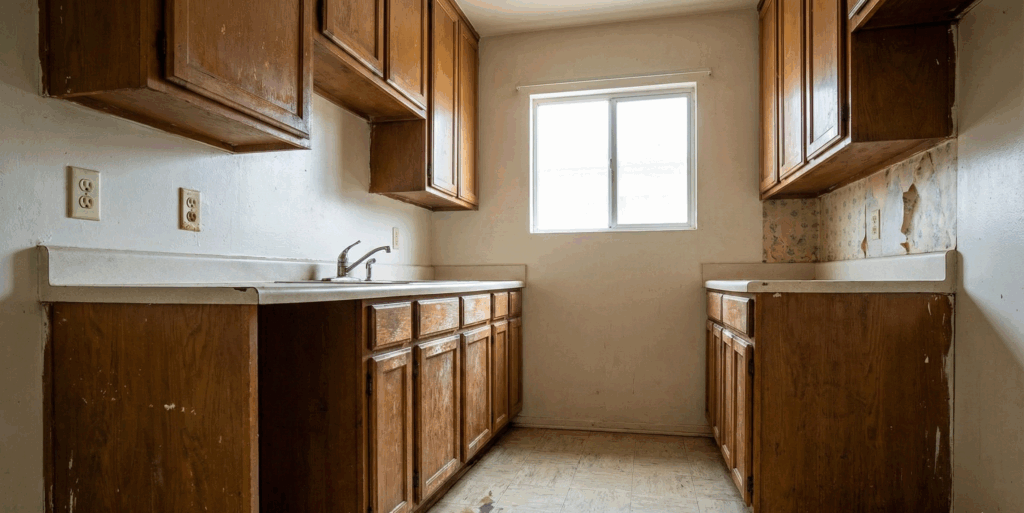
San Diego’s housing stock, particularly in established neighborhoods like North Park or Mid-City, often features older electrical and plumbing systems that can trigger “Life-Safety” failures during a Housing Quality Standards (HQS) inspection. Understanding these common pitfalls is essential to avoiding vacancy drag
The most frequent “fail” items we see in San Diego include:
- Electrical Hazards: Missing plate covers, ungrounded outlets, or “daisy-chained” extension cords.
- Peeling Paint: In homes built before 1978, even a small chip of exterior paint can halt a move-in due to lead-based paint regulations.
- Water Heater Strapping: San Diego’s seismic requirements necessitate double-strapping on water heaters, a detail often missed by DIY owners.
- Smoke and CO Alarms: California’s strict retrofitting laws require alarms in every bedroom and on every level.
What Lenders and Insurers Think About Section 8 Income
Investors often worry that a “Section 8” label will hurt their property’s value. In reality, the professional financial community—including lenders and commercial insurers—often views government-guaranteed income as a de-risking factor.
When applying for a portfolio loan or a refinance, having a high percentage of “guaranteed” income from a government agency can lead to more favorable Debt Service Coverage Ratio (DSCR) calculations. Lenders appreciate the predictability of the payments. Similarly, while some niche insurers may have outdated views on voucher programs, most major carriers in California focus on the physical condition of the property (as verified by the mandatory HQS inspections) rather than the tenant’s source of income.

Pre-HQS Inspection Readiness Checklist
To ensure a “Pass” on the first visit and avoid a 14-day delay, use this professional readiness checklist:
- Utilities: Water, gas, and electricity MUST be on.
- Smoke Alarms: One in every bedroom + one in the hallway.
- CO Detectors: One on every floor and near sleeping areas.
- Paint: No chipping or peeling paint (interior or exterior).
- Windows: Must open, stay up on their own, and lock securely.
- Screens: Must be present and free of large holes.
- Electrical: All outlets must have covers; no exposed wiring.
- GFCI Outlets: Must be functional in kitchens and bathrooms.
- Plumbing: No leaks under sinks; toilets must be securely bolted.
- Water Heater: Double-strapped and have a discharge pipe (6-8″ from floor).
- Heating: Must be a permanent heat source (no space heaters).
- Appliances: Stove and fridge must be clean and fully functional.
- Entry Doors: Deadbolts must be keyless on the interior side.
- Flooring: No “trip hazards” (torn carpet or loose tiles).
- Ventilation: Bathroom must have a window or a working exhaust fan.
- Egress: All bedrooms must have two points of exit (door/window).
- Exterior: No trash, debris, or overhanging dead branches.
- Stairs: Handrails required for 4 or more consecutive steps.
- Pests: No evidence of roach or rodent infestation.
- Condition: The unit must be “move-in ready” with no active construction.

Section 8 Timeline Expectations for San Diego Owners
The primary “cost” of the Section 8 program is time. Owners must plan for a longer vacancy period between lease signing and move-in.
- Days 1–5: Applicant screening and RFTA (Request for Tenancy Approval) submission.
- Days 5–12: Housing Authority review of Rent Reasonableness.
- Days 12–20: Inspection scheduling (highly dependent on SDHC/HACSD workload).
- Days 20–25: Repairs and Re-inspection (if necessary).
- Day 30+: Lease execution and move-in.
Palm Tree Properties works to compress this timeline by pre-inspecting our units before the voucher holder even applies, ensuring we are 100% ready for the official inspector.

When the Housing Authority responds to an application, owners must make several critical decisions. Use this framework:
- The Rent Counter: If the SDHC counters $150 below your ask, calculate your “break-even.” Is a 12-month lease at the lower rate better than 60 more days of vacancy while searching for a market tenant?
- The Repair List: Are the failed items “tenant-proof” improvements (like new GFCIs) or purely cosmetic? Always prioritize safety-related repairs.
- Utility Allocation: If the rent counter is low, consider shifting utility responsibilities (e.g., tenant pays water/trash) to maintain your target NOI.

Strategic Benefits: Turnover and Maintenance Savings
One of the most overlooked aspects of the San Diego Section 8 property management strategy is the reduction in turnover costs. Because voucher holders face long waitlists and limited inventory, they are highly motivated to keep their housing. This leads to pride of residency and a “long-term” mindset.
Furthermore, the mandatory annual or biennial inspections act as a “free” professional maintenance audit. These inspections catch small issues—like a slow leak or a frayed wire—before they turn into $10,000 capital expenditures. By integrating Section 8 into your portfolio, you aren’t just housing a family; you are building a more resilient, predictable, and profitable real estate business.
Optimize Your San Diego Portfolio Today
Managing Section 8 properties requires a blend of local market knowledge, regulatory expertise, and assertive advocacy. Don’t let a failed inspection or a low-ball rent counter eat into your profits.
[Schedule a Free Consultation] – Have Palm Tree Properties evaluate your current rents and inspection readiness.
FAQ
- Can I evict a Section 8 tenant in San Diego?
Yes. Section 8 residents are subject to the same California eviction laws as any other tenant. If they violate the lease or fail to pay their portion of the rent, you can proceed with legal action.
- How often does the Housing Authority adjust the rent?
You can typically request a rent increase once every 12 months, subject to a 60-day notice and a new “Rent Reasonableness” review. - What happens if a tenant loses their voucher?
If a tenant is terminated from the program, they are still responsible for the full rent. However, this usually results in a move-out or eviction. Palm Tree Properties monitors tenant compliance to mitigate this risk. - Are Section 8 tenants harder on properties?
Statistically, no. Wear and tear is a result of lifestyle and management, not the source of rent. Our rigorous screening process filters for high-quality residents regardless of their voucher status. - Does Section 8 affect resale value?
In the commercial/multifamily space, Section 8 is often seen as a benefit due to the guaranteed income. For single-family homes, it has a neutral effect as long as the property is well-maintained. - Can I charge a security deposit?
Absolutely. The Housing Authority does not pay the deposit, but you can (and should) collect a standard security deposit from the tenant directly.