Late rent payments and property damage that shows up during inspections, and those endless noise complaints from neighbors - these are the tenant problems that make San Diego landlords lose sleep.
The city changed its tenant protection laws in a big way in 2024, and landlords need to know what’s different. San Diego actually needs just cause for eviction right from the start of any lease agreement, while the state law says 12 months. But the city doesn’t wait that long. Landlords also have to pay between 2 and 3 months’ worth of relocation assistance for no-fault evictions. The money has to be in the tenant’s hands within 15 days of when you tell them. Most rental properties across the county fall under these laws.
The exact steps that San Diego landlords need to follow when they work with problem tenants matter more than ever. Making the wrong move could mean looking at penalties in the tens of thousands of dollars - not to mention months of lost rental income as your property gets stuck in court battles.
Here are some helpful strategies to resolve tenant problems and protect your property rights!
San Diego’s New Eviction Rules
San Diego’s eviction laws are different from anywhere else, and property owners usually have no clue what they’re up against. The 2020 Just Cause Eviction Ordinance changed everything that landlords knew about removing tenants. Buildings that are 15 years or older fall under this law, and it protects tenants who’ve lived there for at least 12 months.
After a tenant passes that 1-year mark, the whole situation changes. A landlord can no longer just tell them to leave. You need to have a valid reason, and it needs to be one from their approved list. Non-payment of rent tops the list as the most common cause for eviction and makes sense. Lease violations are right behind it in second place. Maybe you want to move into the property yourself, or a family member needs a place to live - the city lets you evict for that too. The ordinance does include a handful of other acceptable reasons as well, though these come up less frequently.
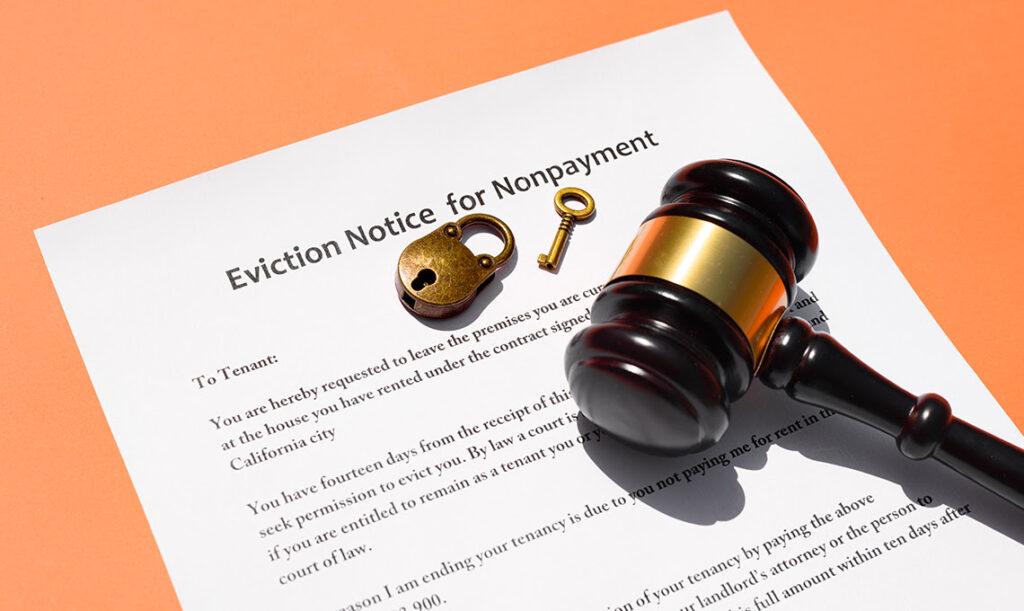
California state law AB 1482 makes everything even more confusing. Property owners have to follow San Diego’s local laws and California’s statewide requirements at the exact same time. Most landlords have no idea that they need to check all the requirements before making any moves with their tenants.
If a landlord messes this up, the financial consequences are brutal. The damages can reach tens of thousands of dollars - and yes, that number is correct. Courts in this area treat wrongful eviction cases as a big deal, and they don’t hold back from awarding very large damages to tenants.
Part of the problem comes from landlords who still use outdated lease templates from 5 or 10 years ago. I see this all the time. Another common mistake happens when property owners take advice from friends who manage rentals in Los Angeles or Sacramento. Each market operates under different laws, and the strategies that work just fine in those cities could get you sued in San Diego!
Build Your Case Before Taking Action
Documentation is the foundation of any successful case against problem tenants in San Diego. The local courts need strong evidence to even look at your situation, and without the right paperwork and records in place, the strongest complaints can completely fall apart once you’re standing in front of a judge.
Documentation is everything when you have problem tenants. The second something happens, you grab your phone and take photos - and make sure those timestamps show up with the date and time visible. Written complaints from neighbors about noise or disturbances should be filed away right then. Save every letter you’ve ever sent to a tenant, along with those certified mail receipts. Maintenance request histories are worth their weight in gold, too, because they show who’s actually responsible for damage versus who’s been asking for repairs all along.

Property management software makes the whole process much easier since it can track everything automatically. The timestamp feature by itself justifies the cost since judges specifically want to know the exact timing of each incident. Lots of landlords discover this requirement only after a judge dismisses their case completely. A single missing receipt or one photo without a date can destroy months of preparation for an eviction.
San Diego attorneys usually recommend that landlords document problems for a minimum of three months before any formal paperwork gets filed. This timeframe lets you build evidence of a repeated pattern of behavior instead of just pointing to one or two problems. The courts need to see that tenants have received multiple opportunities to change their behavior.
Video evidence usually has more weight than photographs in San Diego courtrooms. A video shows the judges the full context of what happened in a way that photos just can’t match. Just remember that California privacy laws apply, so your recordings should focus on common areas or your own property only.
Legal Notice Service and Court Requirements
Paperwork for a problem tenant in San Diego can be hard to get right because the type of violation you have on your hands directly determines how much time you have to give them. Rent-related problems need a 3-day pay-or-quit document, and it’s pretty standard across California. Other violations work differently, though, and you might need to give anywhere from 3 to 30 days’ warning depending on what specifically the tenant has done wrong.
The way of delivery for these notices is where most landlords run into problems. California law recognizes three ways to serve a tenant properly. Personal service is always the best option because you physically hand the paperwork to your tenant, and there’s no question about whether they received it. When tracking down your tenant for personal service isn’t possible, substituted service is your next best bet - you give the document to another adult who lives at the property, and you also mail them a copy just to be safe. The third option is what most landlords have to use - you post the paperwork on the door of the rental unit and mail a copy to your tenant’s address.
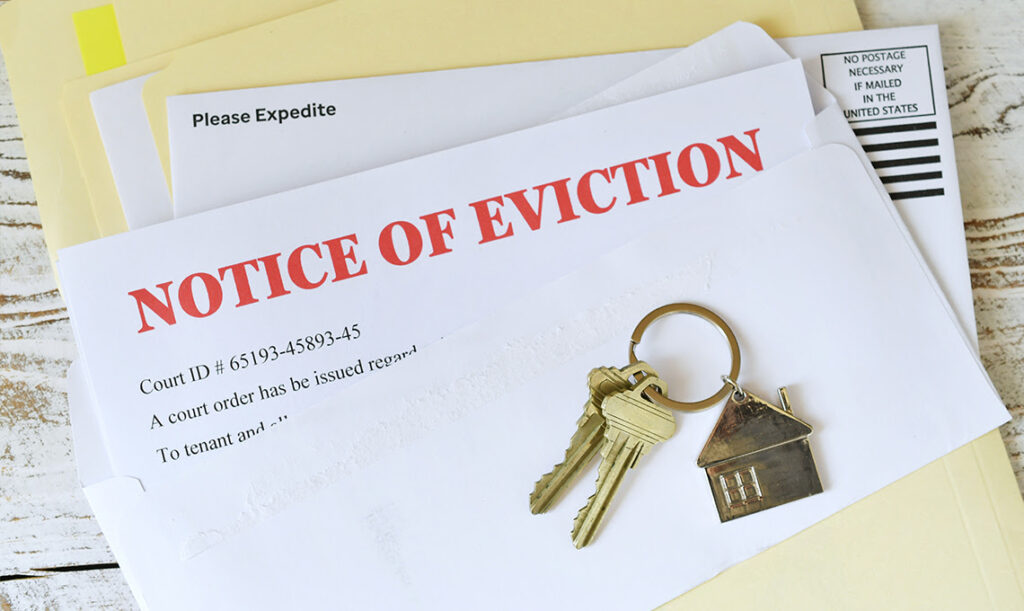
I see this mistake all the time - landlords lose their eviction cases in San Diego Superior Court, not because the tenant didn’t actually violate the lease or fail to pay rent. It’s because the landlord messed up the paperwork. Bad service kills more eviction cases than any other factor, and it’s completely avoidable when you follow the requirements to the letter. San Diego courts have their own forms for every type of eviction paperwork, and yes, you do need to use the exact right one for your situation. The courthouse downtown has the paper copies available, or you can download them directly from the Superior Court website. Just make sure you’re filling out the most recent version because the court updates these forms regularly, and an outdated form can torpedo your entire case.
Military tenants add some more wrinkles to the eviction process. When your tenant works at Camp Pendleton or Naval Base San Diego (or any military installation for that matter), the federal Servicemembers Civil Relief Act kicks in and changes everything. You’ll have to verify their military status first, and it takes time; then you might need to wait much longer than normal before you’re able to proceed with an eviction.
Process servers are worth every penny when you suspect that a tenant might get upset about receiving eviction paperwork. Professional process servers deal with hostile situations all the time, and they know just how to document the service properly; their proof of service documentation holds a lot more weight in court than yours would. And you don’t have to worry about putting yourself in a dangerous confrontation with an angry tenant who’s about to lose their home!
Better Alternatives to the Eviction Process
The going rate for these agreements usually falls somewhere between $2,000 and $5,000 in most San Diego neighborhoods. That number can look steep when you first hear it if you’re already dealing with months of unpaid rent. But once you factor in what you’d spend on court costs, attorney fees and the months of lost rental income as the eviction drags on, the math tends to be in your favor. And of course, you get your property back much sooner and can start collecting rent from a new tenant.
San Diego County has a mediation program run through its housing department, and it works really well. About 70% of landlords and tenants who go through mediation manage to stay out of court completely. The mediators are neutral parties who sit everyone down and help them work through whatever problems they’re having until they can find some middle ground. The county doesn’t charge anything for it, and the whole process usually gets done in just one or two sessions.

Tenants are actually more open to working something out than most landlords give them credit for, as long as you talk to them respectfully and professionally. An eviction is going to follow them around for years, and it ruins their ability to rent anywhere decent down the line. When they know that an eviction will tank their credit score and every landlord who runs a background check is going to pass on their application, they become a lot more interested in whatever alternative option you’re putting on the table.
For landlords who decide to go for a cash-for-keys agreement, the documentation matters a lot. The written agreement needs to spell out the exact move-out date and outline the expected condition of the property upon departure. Each party needs to sign a joint release that protects against any future legal claims from either side. And before you hand over any money, double-check California Civil Code 1946.7, which mandates relocation assistance for some no-fault evictions - you want to make sure you’re not already supposed to pay something anyway!
How the San Diego Court Process Works
Problem tenants can drain your energy and your bank account, and sometimes the only way out is to go through the courts with an unlawful detainer lawsuit. San Diego County uses this as the official eviction process, and you’ll need to file your paperwork at either the downtown court or the North County branch up in Vista if that’s more convenient for your location.
The clock starts ticking once you file your paperwork. You have 60 days to get those documents served to your tenant - the summons and the complaint. Your tenant then has 5 days to file their response with the court. Now, if they don’t bother to respond during those 5 days, you’re in luck because you can go ahead and request what’s called a default judgment. This lets you skip the whole trial process and saves you time and money.
The court’s going to charge you filing fees of between $240 to $435, depending on your situation. An attorney will probably run you another $1,500 to $3,500 if your tenant doesn’t fight the eviction. But if your tenant decides to contest everything and dig their heels in, those legal fees can climb way higher.

San Diego’s court system has been overwhelmed. A contested eviction case could leave you waiting 45 to 90 days just to get your day in court - that’s 3 months of lost rent as your property sits tied up in legal proceedings.
Plenty of landlords figure they should manage the eviction process on their own to cut down on attorney fees. This usually ends up costing them more in the long run. The court system has very strict procedural requirements that have to be followed to the letter. One missed deadline or one incorrectly filled out form, and the whole case could get thrown out, forcing you to start the entire process from square one. I’ve watched landlords lose months because they didn’t know that they needed to request immediate possession of the property in their first court filing.
Once the court decides in your favor, the sheriff’s department takes over for the lockout. They’ll usually schedule this within 5 to 15 days after your judgment comes through. Your tenant will receive one last official warning before the sheriff shows up and physically removes them from your property.
FAQ
Does San Diego require just cause to evict a tenant?
How much documentation do I need before acting?
How do I serve an eviction notice correctly?
Are there better alternatives to a full eviction?
How does the San Diego eviction court process work?
Maximize Your San Diego Rental Property
California’s tenant protection laws get harder to follow practically every year, and San Diego adds its own local requirements on top of everything that the state already requires from you. All these frequent updates and changes make it quite tough for property owners to stay current with every requirement as they run their properties, coordinate maintenance and repairs, screen new tenants and somehow still have time for their own lives outside of property management.

At Palm Tree Properties, we work through these exact challenges for property owners throughout San Diego each day. Our entire management system was built specifically to protect your investment and take care of the complex parts of our local rental market. We bring years of local experience to each property we have in our portfolio, whether you currently have a tough tenant situation or just want to avoid problems before they happen. You can discover what your rental property could actually be earning with professional management backing it up. Get your free rental analysis today and learn how we can help property owners increase their rental income as we eliminate most of the stress and problems that come from being a landlord. We manage every property with as much care as if it were our own investment, because we know that our success depends completely on yours.