Most San Diego landlords rent out a home or condo and pick up the monthly checks without much drama. At some point, a neighbor brings up business licenses, and everyone starts to ask if rental income actually needs the same paperwork as a retail shop or a consulting firm. City websites will list out the fees and the forms you’ll have to submit. But what’s missing from most of them is a simple explanation of who actually needs to get licensed.
Mistakes with rental licenses can get expensive very quickly. When landlords operate without the right licenses, they wind up with penalties and back fees that pile up fast. At the same time, if you sign up for licenses that don’t apply to your situation, you’re throwing money away, and it creates unnecessary complications when tax season rolls around. San Diego treats different types of rental property differently, and the differences matter quite a bit. A single-family home that you lease out long-term follows one set of procedures, and a five-unit building follows a different set. Vacation rentals are even more complicated, with their own separate guidelines that don’t apply to traditional rentals.
Most residential landlords don’t need to worry about a business license in San Diego. Renting out just a property or two in the traditional sense means you’re fine and won’t need to apply for one. The city only starts to care about licensing if you cross certain thresholds - and these are related to how many units you’re working with, if you’re renting short-term to vacationers instead of to long-term tenants or if you’re throwing in extra services along with the rental itself.
Let’s sort out the uncertainty around business licensing for San Diego landlords!
Key Takeaways
- Most San Diego residential landlords don’t need a business license; standard long-term rentals are classified as passive income.
- Business licensing becomes required when landlords own five or more units, rent commercially, or manage properties for other owners.
- Short-term rental hosts must obtain a Transient Occupancy Registration Certificate before listing on platforms like Airbnb or VRBO.
- San Diego’s Rental Unit Registration program is separate from business licensing and focuses on property safety and habitability standards.
- Landlords with complex portfolios mixing residential, commercial, and short-term rentals should call the city at 619-236-6700 for clarity.
Do You Need a Business License
Most landlords in San Diego don’t actually need a business license from the city. Owners of single-family homes, condos or small apartment buildings can collect rent without having to get a business license from the city first.
San Diego makes a distinction between passive income and active business operations for rental activity. Property owners who bring in monthly rent from their tenants see that income classified as passive. Landlords in this scenario aren’t running what most would think of as a traditional business - they’re just collecting income from an asset that they own.
Active business operations work differently and take a lot more involvement on your part. Services like day-to-day tenant support, hotel-style operations or concierge services are going to be treated as business activities by the IRS. Your standard landlord responsibilities won’t fall into this same category, though. When you’re just collecting rent checks and taking care of basic property maintenance, those count as normal parts of property ownership - they don’t count as running a business.
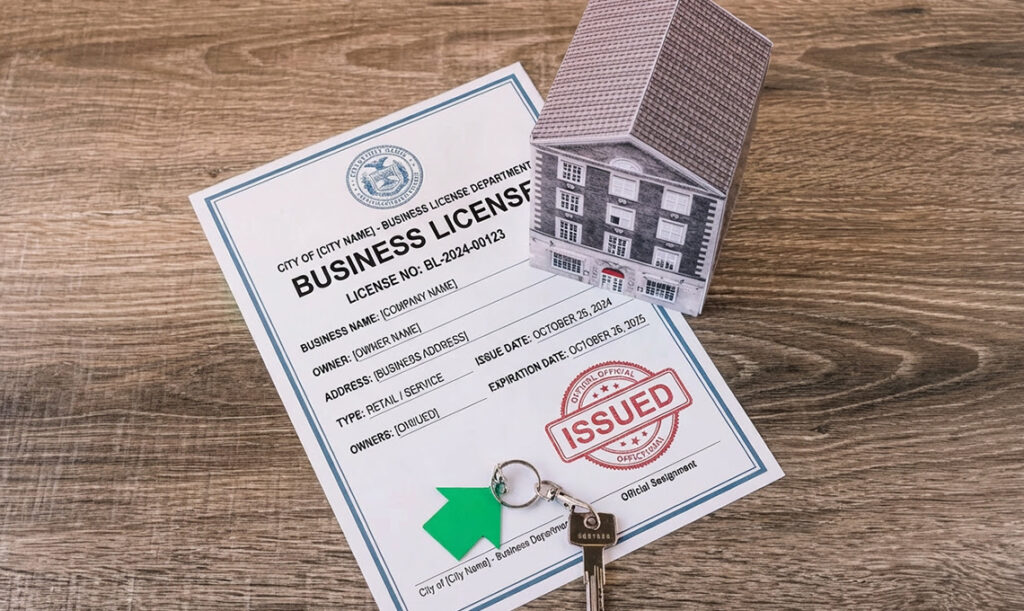
San Diego makes a large separation between owning rental property and running a traditional business, and landlords benefit from this. Rental income from your properties doesn’t need the extra paperwork and fees that a business license requires. The city sees residential rentals as something different from commercial businesses, and the licensing reflects that difference.
Some exceptions to this general guideline do come up, of course. Some types of rental activity actually do qualify as business operations and are going to need you to have the right licensing. For most landlords who rent out standard residential properties and take care of the usual responsibilities, a business license isn’t needed. Rental income counts as investment income in these cases - not as business revenue.
Activities That Cross the Business Line
Landlords who own just a single rental home or maybe a handful of apartments usually don’t need to bother with a business license at all. Most small property owners in that category don’t need one. San Diego does have some situations where you’ll actually cross that line from being a landlord who collects monthly rent to running what the city considers a business.
The type of property you’re renting out is going to matter when it comes to licensing. Commercial properties get treated differently than residential ones right from the start. Office buildings, retail storefronts, industrial warehouses - these all fall under the commercial estate umbrella. Leasing out the space to businesses means San Diego treats your rental operation as a business activity.

Residential rentals are handled a little differently, and the way the city treats you depends largely on the number of units you have. When you hit around 5 units or more, everything changes. The city stops seeing your rental as just another investment property that sends you a check every month. From that point forward, they view it as a business that needs to be regulated accordingly.
Property management firms are a different case, and they fall into their own separate category when it comes to licensing. These firms always need a business license in San Diego - every time, with no exceptions. Managing properties on behalf of other owners is considered a business service by the city, and it gets treated just like any other commercial operation that needs to be licensed and registered.
Passive income and active business should be easy to tell apart. But the line between them gets pretty murky depending on what you’re actually doing with your property. Furnished short-term rentals are a perfect example of this - cleaning between guests, restocking supplies and assisting renters create that level of involvement that puts you squarely in business territory. Property owners who provide maintenance services or throw in extra amenities that aren’t part of basic ownership may find themselves on the business side of that line, too.
Rules and Permits for Short-Term Rentals
San Diego deals with vacation rentals differently than traditional long-term rentals. Planning to list your property on Airbnb or any similar short-term rental platform means you’ll need to follow extra requirements that normal landlords don’t have to worry about, and the city watches these properties a lot more closely.
Every short-term rental in the city needs something called a Transient Occupancy Registration Certificate, and you’ll have to get one to rent out your property for stays that are less than a month long. The city is pretty strict about this, and you won’t be able to list your place on Airbnb, VRBO or any other rental platform until you’ve actually received the certificate. Running it without one could get you hit with fines and other penalties, so it’s worth taking care of the certificate early in the process.

San Diego has become much stricter about enforcement. The city watches rental sites like Airbnb and VRBO closely and checks their listings constantly against official permit records. The concern is that vacation rentals pull homes out of the available housing supply for permanent residents and can change the character of residential neighborhoods in ways that the city wants to stop.
The fines can get to be expensive pretty fast when you’re running a rental property without the right permits. The city can charge you thousands of dollars per violation, and they also have the ability to make sites like Airbnb or VRBO take down your listing until you have the paperwork handled.
Short-term rentals usually have more requirements than long-term rentals, and it makes plenty of sense considering how these properties actually work. A short-term rental property doesn’t work like a traditional rental home - it’s much closer to running a small hotel right in the middle of a residential neighborhood. More guests come and go throughout the day, more cars take up parking spaces on the street, and there’s usually more noise at all hours. What was once a quiet street with familiar neighbors can start to feel very different. Local governments want to monitor these types of properties closely and make sure that anyone who is operating one follows similar requirements to those that hotels and other hospitality businesses have to follow.
Why Registration and Licenses Are Different
San Diego has a Rental Unit Registration program that isn’t the same as a business license. The two systems work side by side, and you’ll need to deal with each one separately because they serve different purposes.
Owning a rental property in San Diego means you’re going to need to register it with the city’s Rental Unit Registration program. This applies to just about every type of rental out there - single-family homes, condo units and apartments in bigger buildings all need to be added to the city’s registry. The program is how San Diego keeps track of rental housing throughout the area and makes sure that each property is meeting the basic health and safety standards landlords need to keep up with.
Once you register your property, an inspector will schedule a time to come out and review everything. They’re going to check for habitability problems - making sure your plumbing and electrical systems meet the up-to-date code standards. They’ll also be looking for any structural problems that might need attention, and they’ll verify that your smoke detectors and carbon monoxide alarms are correctly installed and working the way they should. This inspection work exists to protect tenants and to keep up housing standards across the city.

You’ll need to register the property as a separate step from any business license or tax certificate for your rental activities. The property registration goes through a different city department, and it covers a different part of your rental operation altogether. Your business license deals with how you run the business from a tax and legal perspective. The property registration focuses on the building itself - the physical condition, safety codes, structural standards and whether everything meets city standards.
The fees for inspection and registration are charged as separate line items from any business license costs you are already paying. You’ll need to renew that registration every few years, and the timing depends on the type of property in your portfolio. Fortunately, the city does send out reminders when it’s time to renew or when you’re due for another inspection.
Registration is how you show the city that your rental property is being maintained at a safe and livable standard for your tenants. Business licensing covers a different area - it takes care of the tax obligations and makes sure that your rental operation is following what applies to your business. Which of these you’ll need depends on how your rental business is set up. These focus on separate areas of what landlords in San Diego need to stay compliant with.
Call to Check Your License Needs
Their number is 619-236-6700, and they take care of these questions all the time. With that information about your rental setup and how you run it, ready to go, they can tell you a definitive answer right then during your first call.
The number of rental properties you own matters quite a bit for licensing purposes. The city will also want to know about any other real estate activities you’re doing. Managing properties on behalf of other landlords counts as part of your business. The same goes for vacation rentals - when you have a few short-term Airbnb units mixed in alongside your traditional year-long leases, the city takes all that into account when they determine whether you’ll have to be licensed or not.
The type of property that you own matters quite a bit, too. A combination of residential units, commercial spaces, and maybe a few parking spaces makes your situation a lot more complex. These different combinations can change what licensing you need in ways that are hard to sort out on your own.

You’ll find a few red flags that mean you should contact a tax professional or attorney before you start to call the city. One of these is when you manage properties for other owners along with your own rental units - this automatically puts you in a different category for tax and legal purposes. You’ll also want to get professional advice when you have multiple business entities or partnerships that all have ownership stakes in different rental properties.
When you call, try to put together a quick checklist with all your property info in one place. This should include each property address with details about what type of rental each one is, any services that you bundle together with the rent itself (like utilities, lawn care or regular maintenance) and your total rental income numbers from last year if you have them available.
The advice you get back will actually match what you have going on because you’ve given them the right information to work with.
Maximize Your San Diego Rental Property
Most residential landlords in San Diego are going to be pretty relieved when they find out that renting out a property doesn’t actually need to have a business license in most situations. Standard long-term rentals without commercial amenities or short-term operations don’t need one at all. Just make sure to remember those exceptions from earlier.

Local rental property regulations have a tendency to change over time, and what’s in place today might look different in just a year or two. Assumptions about what’s allowed or what applies to your situation don’t hold up well in this area. Trying to figure it all out on your own can lead to problems.
If you’re ready to get more from your San Diego rental property, Palm Tree Properties can take care of all of the property management work. We work with landlords who want to bring in more rental income while staying on top of local regulations and best practices. Our team knows the San Diego rental market well, and we’re here so you can get better returns on your investment. Request your free rental property evaluation today to find out what your property could actually earn! We treat every property like it’s our own, and this level of attention is what it takes to get real results for our clients.
FAQs
Do most San Diego landlords need a business license?
Most San Diego residential landlords do not need a business license. Standard long-term rentals are classified as passive income, not active business operations, so typical landlord responsibilities like collecting rent and basic maintenance don't require licensing.
When does a San Diego landlord need a business license?
A business license is required when you own five or more residential units, rent commercial properties, manage properties for other owners, or operate short-term vacation rentals. These activities cross the line from passive income into active business operations.
Do short-term rental hosts need special permits in San Diego?
Yes. Short-term rental hosts must obtain a Transient Occupancy Registration Certificate before listing on platforms like Airbnb or VRBO. Operating without one can result in heavy fines and forced removal of your listing.
What is San Diego's Rental Unit Registration program?
It's a separate city program requiring landlords to register their rental properties and pass safety inspections. It focuses on habitability standards like plumbing, electrical systems, and smoke detectors-distinct from business licensing requirements.
Who should San Diego landlords call about licensing questions?
Landlords can call the City of San Diego at 619-236-6700 for licensing guidance. Having details ready about your property types, rental income, and any additional services you provide will help get a clear, accurate answer.