Property owners waste lots of hours on these tasks, and it’s a serious problem. The setback requirements and the height restrictions make everything harder because they’re different in each neighborhood. One street has very different requirements than the next street over.
San Diego has made some big moves to become one of California’s most ADU-friendly cities, and the changes are pretty meaningful. Recent legislation has gotten rid of some of the biggest roadblocks that stopped homeowners from building ADUs. Parking requirements near transit stops have been eliminated. They’re down to just 4 feet in most cases. Properties that didn’t have a chance to qualify for an ADU 2 years ago might actually be perfect candidates now.
ADU requirements in San Diego have become much easier to work through once you learn what to look for. The city does have requirements for lot sizes and structural specifications that you’ll need to meet, and the permit process has strict timelines - though these timelines actually are in your favor more than not. When property owners take the time to learn these requirements, they can make much better decisions about whether an ADU is the right move for their property and their financial situation.
We’ll examine these ADU requirements so you can make smart decisions about your property!
Which Properties Can Have ADU Units
Property owners throughout San Diego have more flexibility than they might know about the ADU construction on their land. The city has approved these units for all residential zones, and they’ve even extended the permissions to include some mixed-use areas. A single-family home lot usually qualifies without any exceptions or variance requests needed.
Property type actually matters quite a bit in the requirements you need to follow. Single-family homes have their own set of regulations, and duplexes and condos have to follow very different ones. The city set it up this way to give every property type a fair shot at building an ADU, but they also need to manage the neighborhood density. Every area has its own balance to strike, and the requirements show that.
Senate Bill 13 has made the process much easier for property owners in California who couldn’t get their ADU projects approved in the past. The state legislation forces cities throughout California to loosen up their ADU restrictions, so a lot more property owners can now build these units on their properties. Property owners who were denied permission to build an ADU a few years back should try again now because the requirements are much more favorable than they used to be.
Property owners usually are completely unaware that they can build a standard ADU and a Junior ADU on the exact same lot. A single property could have three completely separate living spaces - your main house and then two extra units on top of that. The rental income from an arrangement like this tends to add up, and it gives families a lot more options for different living situations, too.
Properties in historic districts or coastal zones do have to go through more review steps than a typical ADU project would need. The city has to make sure that whatever you’re planning to build actually fits in with the rest of the neighborhood in these protected areas. Yes, the extra paperwork and reviews are going to add some time to your timeline. But they won’t stop you from building an ADU if that’s what you want.
The requirements for ADUs have changed dramatically in just the last few years, and it’s been great for property owners. Properties that didn’t qualify before could work well for an ADU today. Even lots that were completely off the table two years ago could actually be solid candidates for development at this point.
Size and Height Rules for Your ADU
Your property qualifies for an ADU, and the next step is to find out just how big you can build. San Diego has put together a fairly complete set of guidelines for size, and those guidelines change based on which type of ADU makes the most sense for your property.
A detached ADU (one that stands completely separate from your main house) can be built as large as 1,200 square feet (that’s actually a decent amount of space when you measure it out), enough room for a comfortable one or two-bedroom unit with a full kitchen and bathroom. An attached ADU follows a different set of calculations, though. The city lets you build these at up to 50% of your existing home’s square footage, so a 2,000-square-foot house could add a 1,000-square-foot attached ADU.
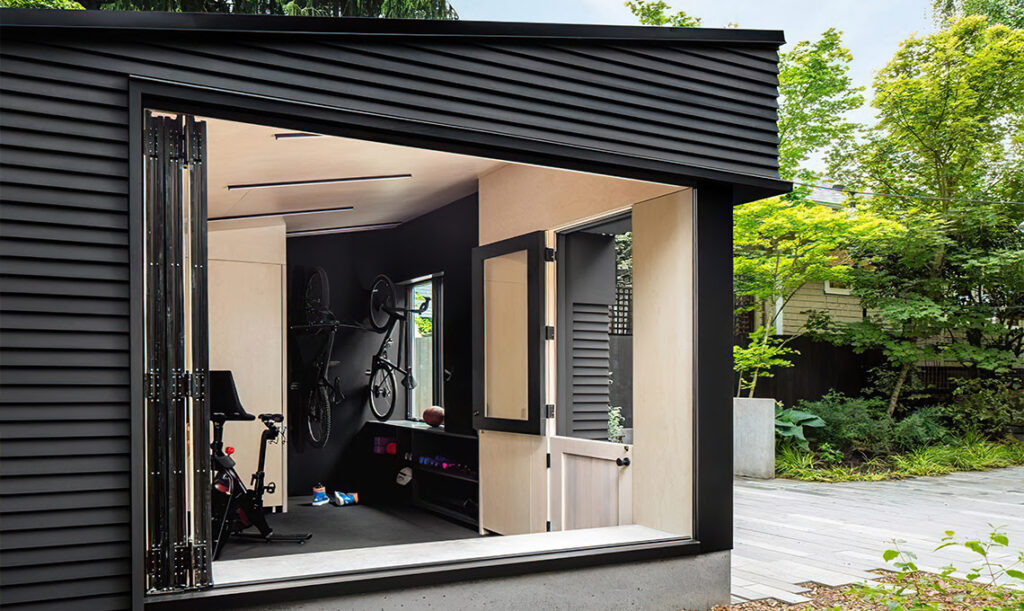
Junior ADUs are a very different animal because they’re actually built inside the walls of your existing home. These smaller units have a hard cap of 500 square feet, and most homeowners create them by converting an existing bedroom, basement area or another interior space that’s already part of the house.
One requirement that sometimes confuses property owners is the 16% calculation. In some areas throughout San Diego, your ADU can’t exceed 16% of your total lot size, and this limit applies even when that percentage works out to be smaller than the standard square footage limits mentioned above.
Height restrictions are another consideration, and they do change quite a bit from one San Diego neighborhood to the next. Most residential areas allow structures that are between 16 and 28 feet tall, but your particular zone may have different requirements. The setback requirements have recently gotten much better for homeowners - the city dropped them to just 4 feet from your property lines, which opens up a lot more options for ADU placement on typical residential lots.
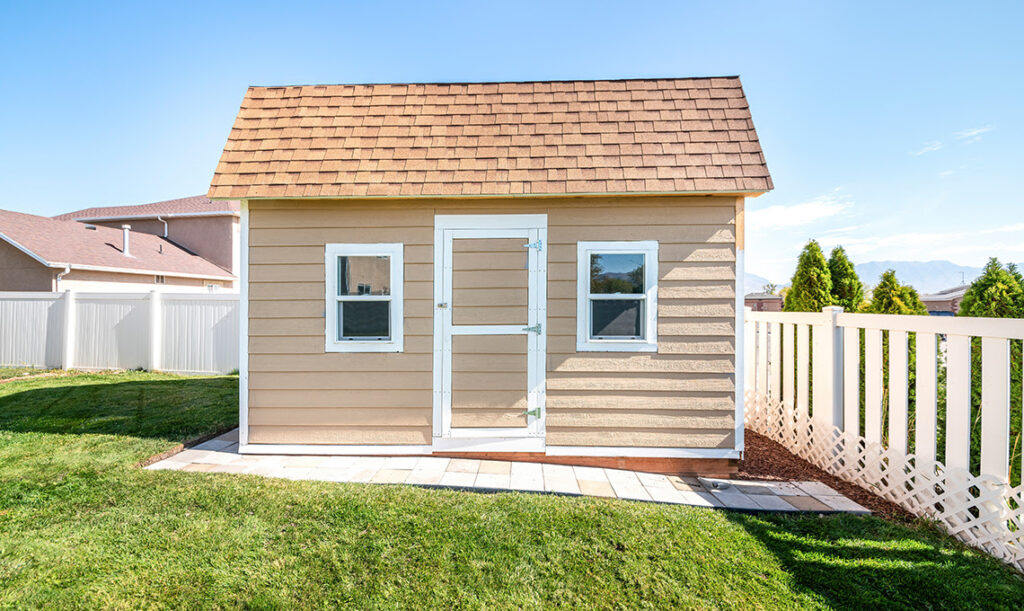
Garages and sheds are actually some of the best options if you want to convert something into an ADU. The great news is that these buildings can stay right where they are now, and the city will usually let you leave them there even if they don’t meet today’s setback requirements anymore. They get grandfathered in, and that’s why conversions make plenty of sense for homeowners who already have one of these structures on their property.
When ADUs Don’t Need Parking Spaces
Parking requirements were what had stopped most ADU projects in San Diego from ever happening. The old regulations meant that lots of property owners couldn’t build an ADU even if they wanted to. The city has now removed all parking requirements for ADUs located within half a mile of transit stops, and this policy update has completely changed the game for thousands of properties throughout the city. Properties that weren’t viable for years are now excellent candidates for ADU development.
The city’s definition of a transit stop is actually pretty generous if you look into the specifics. Bus stops that run regularly count, and trolley stations count too. As long as your property sits somewhere within that half-mile radius, you’re all set - no extra parking spaces needed for your ADU. The money that you save on paving and concrete work alone can be pretty substantial, and you get to preserve more of your yard as actual living space instead of just parking cars.
Properties that are farther from transit can still qualify for parking exemptions in some situations. The city waives the parking requirements if you convert an existing structure (a garage, a basement or an old storage shed) into an ADU. Historic districts get the same exemption across the board. The reasoning is pretty simple - these structures are already there, the neighborhood has already adjusted to whatever parking situation is currently in place, and it wouldn’t make sense to suddenly ask for more spaces for something that’s been there all along.
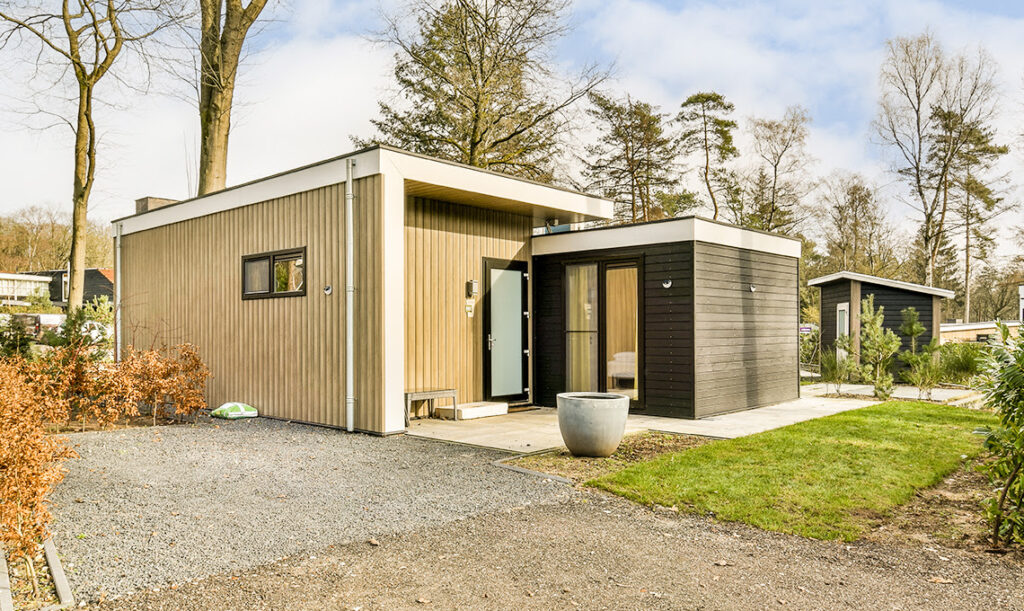
Garage conversions are especially interesting because most homeowners assume they’ll have to replace those lost parking spaces somehow. The city almost never needs replacement parking for garage conversions. They’ll actually send their staff out to your neighborhood to count the available street parking spaces during peak hours, and if there’s enough availability, you’re usually fine without adding any new spaces.
Your HOA can’t override the city’s parking regulations or add extra requirements of their own - state law specifically prohibits this. They can’t block your ADU project over parking concerns, and they can’t layer their own parking requirements on top of what the city asks for. This protection exists specifically to stop HOAs from creating backdoor barriers to ADU development in communities where the HOA usually controls all the property modifications.
How to Get Your ADU Approved
The permit process for ADUs in San Diego is actually quite a bit different from what you’d run into with most other home improvement projects. The city has to use something called ministerial approval for any ADU that meets the state’s requirements. What this actually means for you is that your application gets reviewed against a checklist instead of someone’s subjective opinions about whether they like your project. There won’t be any public hearings where your neighbors can show up and object to your plans. You also won’t have to attend any planning commission meetings and make your case.
Your 60-day countdown doesn’t actually start when you first submit your application - it starts when the city officially accepts it as complete. There’s a big distinction there. The city has 30 days to review your first submission and tell you if you’re missing any needed documents or information. After they confirm your application is complete and has everything they need, they have another 60 days to either approve or deny your permit.
Most ADU projects need two different permits, and yes, that can be somewhat of a headache. A building permit makes sure your construction plans are safe and meet code, while a planning permit confirms that your ADU follows all the local zoning requirements for your neighborhood. The positive news is that some ADUs can bypass the planning permit if they meet the pre-approved standards that your city has already put in place.

San Diego actually has a whole catalog of ADU plans that are already pre-approved by the city and can save you months of waiting for permits. The best part is that these designs have already been through the entire review process, and they’ve passed all the requirements that the city has. All you need to do is show that your property has enough space and the right conditions for the design you want to build.
The city’s online permit system lets you submit all your documents online and makes the whole process much more convenient. At a minimum, you’re going to need site plans, floor plans and elevation drawings for your project. Most applications are also going to need Title 24 energy calculations and different structural specifications depending on your particular design.
Assembly Bill 68 changed something that most property owners don’t know about - the city can’t make you live on the property if you built an ADU before this year. This state law overrides any local ordinances that might say otherwise, and it’s been very helpful for investors who want to build ADUs on rental properties they own.
The ADU Budget and Fee Guide
After you’ve figured out all the permit requirements, the next big question is always about money - specifically, the actual cost of the whole ADU project. The different fees can pile up pretty fast once you start to add them all together. First, you have to pay for the plan checks and the building permits themselves. Then the city also wants sewer capacity charges and school fees, which get added on top of everything else.
The city of San Diego did do something nice, though - they completely waived some of the main fees for any ADU that’s under 750 square feet. That one policy change alone can save you thousands of dollars in your pocket.
Your budget is where the ADU type you choose makes the biggest difference in what you’ll wind up paying. A garage conversion is by far the most affordable way to go, and most of them come in somewhere between $40,000 and $80,000 when everything’s said and done. A brand new structure from scratch is a very different story, though - the price tag for that can run anywhere from $150,000 to $350,000. With that price difference between the two options, your budget is going to play a major part in which direction makes the most sense.

Utility connections are another expense that many homeowners don’t think about in their first budgets. The city might need you to install separate water and electric meters for your ADU, which increases your costs. Whether you need these separate meters or not depends on a few factors - your particular property situation and how you’re planning to use the ADU once it’s built.
For homeowners who need financial assistance, California actually has a few programs that might help. Renovation loans are one option, and many of them specifically cover ADU construction costs. There’s also the CalHFA grant program that’s run by the state and gives homeowners who qualify as much as $40,000 - it’s worth checking out if you meet the requirements.
Financing your next San Diego investment property or ADU? EZ Loansoffers fast private and hard money lending for investors.
Property taxes are going to increase once you finish building an ADU on your property. The tax assessor takes the value of your new structure and includes it right in your existing property assessment, which means that you’ll be paying more in taxes every year from that point forward. But here’s the interesting part - the rental income from your ADU should more than make up for that tax increase. San Diego has a very strong rental market, and ADUs pull in monthly rents that make the extra tax burden completely manageable.
FAQ
Which properties in San Diego can have an ADU?
How big and how tall can a San Diego ADU be?
When does a San Diego ADU not need parking spaces?
How does the ADU permit approval process work in San Diego?
How much does it cost to build an ADU in San Diego?
Maximize Your San Diego Rental Property
All the regulations and details we just covered could make you feel a bit overwhelmed, and there’s nothing wrong with that reaction. San Diego has actually been working hard over the past few years to make ADU development easier for property owners - not harder. What used to be a confusing mess of restrictions has become a much simpler path forward, and the city continues to make improvements that are in your favor.
Property development has changed dramatically in just the past few years, and the difference is pretty striking. Not long ago, parking requirements alone could completely derail a project from day one. Setback requirements meant that if you had a smaller lot, you were out of luck for any worthwhile development. The process would stretch on for what felt like an eternity with no definite timeline in sight. Most of these roadblocks are gone now. The city actually went ahead and created a catalog of pre-approved building plans that can cut your costs and your wait time by quite a bit. All you need to do at this point is confirm your property’s zoning classification or look through their pre-approved design options to find something that fits your lot.
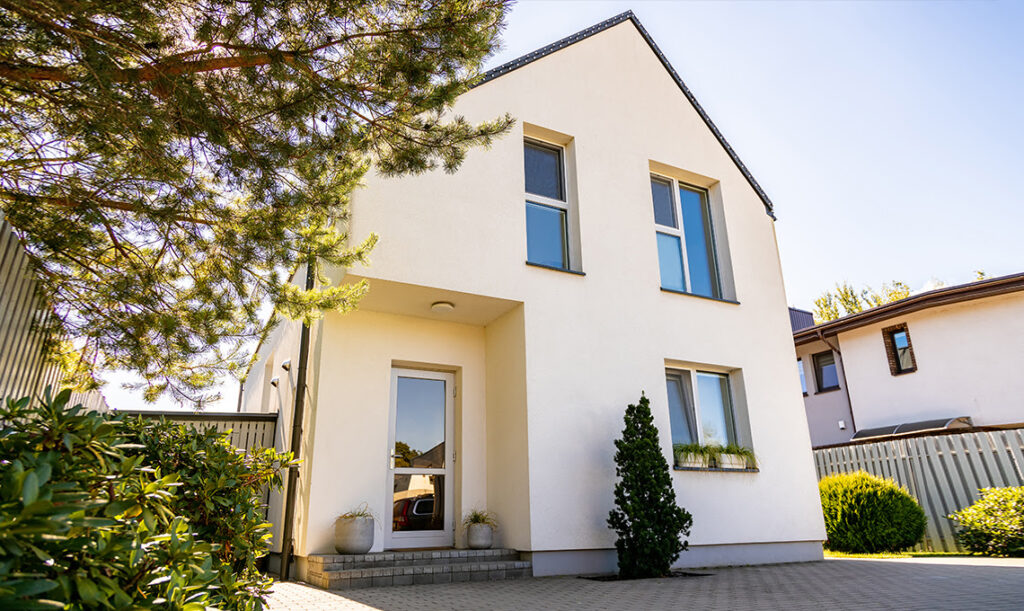
Thousands of San Diego property owners have already taken action, and they’re seeing benefits in their bank accounts, and also helping solve our city’s housing shortage. Yes, some planning is involved, and you’ll need to do your homework on the specifics. But the path forward is simpler than it’s ever been, and the regulations will probably continue to improve as the city recognizes that ADUs are one of the best ways to add housing without changing neighborhood character.
When it comes to property investment returns, at Palm Tree Properties, we see firsthand how rental properties with ADUs are changing owner returns throughout San Diego. We manage properties across the city, and we’ve watched smart owners use ADUs to nearly double their rental income as they maintain full occupancy year-round. Anyone thinking about an ADU build or who already has one and wants to make sure they’re earning every dollar it can earn should let us show you what’s possible. Get a free rental evaluation to see what your property could be earning and check out our resources for more tips on successful property management in San Diego.