Are You Receiving Investor-Grade Monthly Reports?
If your current statements leave you guessing about vacancy, maintenance, or compliance, your asset is exposed. Let our team audit your reporting standards.
Schedule a Free ConsultationThe Anatomy of a Professional Monthly Report
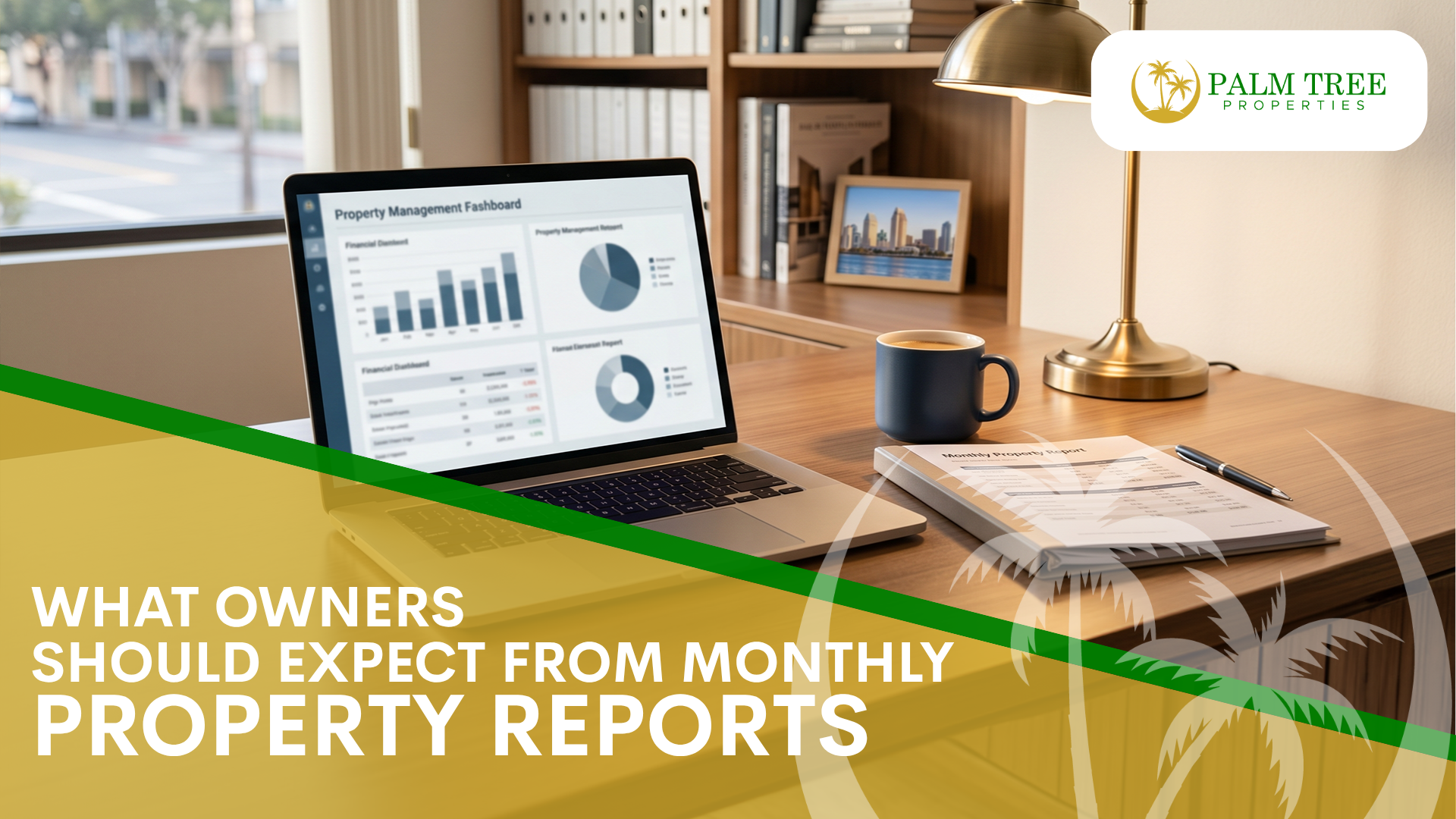
A high-quality property management report is a narrative of the property’s operational health. It is not a one-page summary of rent deposited - it is a complete operational audit that allows you to assess profitability, identify risk, and make capital decisions with confidence. A professional report must include four core pillars to be considered investor-grade, and each pillar must be reproducible, time-stamped, and tied to underlying vendor documentation.

1. The Cash Flow Statement (Income & Expense)
The Income and Expense (I&E) statement tracks the movement of funds into and out of the property’s operating account. A professional version details gross rent collected versus rent due, ancillary income such as pet rent, late fees, and utility bill-backs, clearly categorized operating expenses (repairs, utilities, taxes, insurance), and Net Operating Income (NOI) - the most critical metric for assessing profitability.
2. Account Ledger & Transaction Detail
The account ledger provides the “proof” behind the balance sheet. It should list every credit and debit transaction with a date, payee, and a clear description. Vague entries should never appear - your ledger must show exactly which vendor was paid for a plumbing repair in Pacific Beach 92109 or when a late fee was assessed on a unit in Scripps Ranch 92131.
3. Occupancy and Leasing Metrics
A strong report tells you the status of your “occupancy health.” This section should include current occupancy rate, leasing velocity (inquiries, showings, applications), Days on Market (DOM), and upcoming lease expirations within a 60-90 day window. Without this data, you cannot anticipate vacancy or plan for renewals.
4. Maintenance and Work Order Aging
Your monthly report should detail completed work orders, pending requests, and the costs associated with each. Vague notes like “fixed leak” should be replaced with detailed descriptions and time-stamped vendor logs showing what was diagnosed, repaired, and how long the ticket remained open.
Compliance & Trust Accounting: The Operator’s Shield
San Diego is a high-regulation environment where legal literacy is a prerequisite for management. Professional monthly reports must serve as a litigation shield - they document not only the financial performance of the asset but also the operator’s adherence to California statutes, City of San Diego ordinances, and Department of Real Estate (DRE) rules. A report that fails on compliance is a report that exposes you to future liability.

DRE Trust Accounting & Reconciliation
In California, the Department of Real Estate has strict rules regarding the handling of owner and tenant funds. Your manager must maintain a separate trust account and provide a monthly reconciliation. Commingling funds is a major red flag and a violation that can trigger DRE enforcement. Your report should clearly show your property’s reserve balance and confirm that tenant security deposits are held in a separate, regulated liability account.
AB 1482 and Just Cause Documentation
Under California’s AB 1482, most San Diego properties are subject to annual rent increase caps - currently 8.8% for San Diego County. A professional report tracks the “base rent” and the date of the last increase. The City of San Diego’s Residential Tenant Protections Ordinance requires “Just Cause” documentation from Day 1, meaning your report must document every “Cure or Quit” notice served to ensure any future eviction is defensible in court.
Caps annual rent increases at the lower of 5% + CPI or 10%. For San Diego County, the current cap is 8.8%. Your report must track base rent and the date of the last increase to remain compliant.
The Residential Tenant Protections Ordinance requires Just Cause documentation from Day 1 of tenancy. Every notice served must be time-stamped and stored in the file to defend a future eviction action.
Leasing Compliance & Fair Housing Reporting
In California, Fair Housing exposure is a significant risk for any landlord. Professional reporting should document the screening process to prove consistent application of standards across every applicant, regardless of protected class. Without that documentation trail, a denied applicant’s complaint can escalate quickly to the Department of Fair Employment and Housing or to civil litigation.

Screening & Documentation Logs
Your manager should maintain detailed logs that cover three areas of leasing compliance:
Required Fair Housing Documentation
- Screening Criteria: Proof that every applicant was measured against the same written income, credit, and rental-history standards.
- Approval / Denial Records: Clear documentation of why an applicant was accepted or denied, including the specific criterion that triggered the decision.
- Advertising Performance: Metrics showing where the property was advertised and the demographic reach - proof of broad, non-discriminatory exposure.
- Reasonable Accommodation Requests: A log of every assistance-animal or accessibility request received and how it was processed.
Is Your Manager Documenting Fair Housing Compliance?
A missing screening log can turn a routine denial into a six-figure complaint. Let our team review your current documentation standards.
Schedule a Free ConsultationInstitutional Capital Planning: Beyond Basic Repairs
A disciplined manager helps you forecast the future of your asset, not just report on its past. The distinction between routine maintenance and capital expenditure is critical for both tax treatment and long-term asset planning - and a professional monthly report draws that line clearly.
5-Year Capital Expenditure (CapEx) Modeling
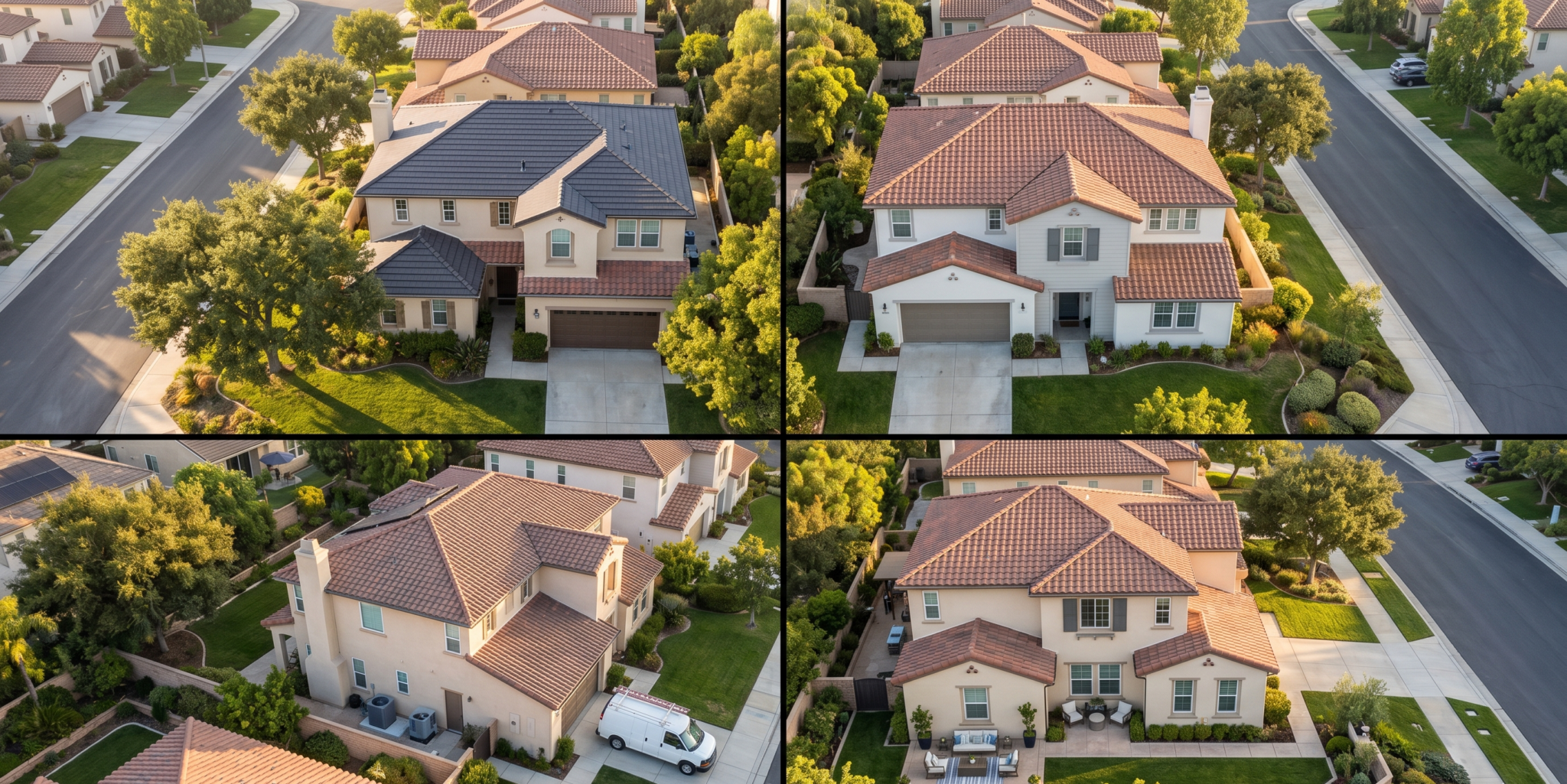
A performance-driven report separates routine maintenance (OpEx) from major improvements (CapEx). We track the lifecycle of major components: roof and HVAC depreciation with an “effective age” and remaining useful life estimate, appliance lifecycle auditing for AB 628 compliance, and replacement reserve modeling to ensure appropriate funds are set aside before a system fails.
| Expense Type | Category | Tax Treatment |
|---|---|---|
| Plumbing leak repair | OpEx | Deducted in current year |
| HVAC unit replacement | CapEx | Depreciated over useful life |
| Interior repaint between tenants | OpEx | Deducted in current year |
| Roof replacement | CapEx | Depreciated, often 27.5 years |
| Appliance replacement | CapEx | Depreciated over 5-7 years |
Understanding how each expense flows through your books has direct tax consequences. Our guide to rental property deductions for San Diego landlords explains how these categories integrate with your filing strategy.
Portfolio-Level Reporting for Multi-Property Investors
For investors with multiple assets or those undergoing a 1031 exchange, we provide consolidated reporting that tracks Portfolio NOI trends, asset-to-asset comparisons, and Cash-on-Cash returns across your entire San Diego footprint. This is the difference between knowing the performance of one building and understanding the performance of your investment thesis.
The Maintenance “Black Box”: What Bad Reporting Costs You
Opaque reporting is not a stylistic preference - it is a measurable financial loss. Every gap in documentation translates into either lost income, escalated repair costs, or exposure to statutory penalties. The three failure modes below are the most common and the most expensive for owners working with under-disciplined managers.

30-Day Vacancy Loss. If your report does not highlight a “stale” listing after 14 days, you may lose a full month of rent. On a $4,000 La Jolla 92037 rental, that is a $4,000 unrecoverable loss.
Deferred Maintenance Compounding. Undocumented leaks or ignored tenant requests can lead to mold. What should have been a $200 repair becomes a $5,000 remediation event - and a habitability complaint.
Rent Cap Violations. Untracked rent increases can invalidate future eviction cases and lead to statutory penalties for overcharging tenants under AB 1482.
$4,800 in Lost Rent From a 36-Day Stale Listing
An owner of a 2-bedroom Pacific Beach unit transitioned to Palm Tree Properties after their prior manager kept the listing live for 36 days at a market-disconnected price. The monthly reports never flagged the DOM as abnormal. Once we re-priced the unit against current comps and re-photographed the listing, it leased in 11 days - but the prior period had already cost the owner the equivalent of $4,800 in lost rent.
25-Point Owner Reporting & Performance Checklist
Use this diagnostic tool to audit your current manager. If they cannot produce these 25 items on demand, your asset is exposed and your reporting is incomplete. We organize the checklist around four areas: financial fundamentals, compliance and risk, asset performance KPIs, and operational narrative.

Financial Fundamentals
- Beginning / Ending Cash Balance: Does the math roll over correctly from month to month?
- Gross Potential Rent: Does the report show what should have been collected, not just what was?
- Ancillary Income Detail: Are pet fees, late fees, and RUBS broken out as separate line items?
- Operating Expense Categorization: Are repairs separated from utilities, taxes, and insurance?
- Owner Distribution Date: Is the exact date and method of payment shown on the statement?
- Property Reserve Balance: Is your required reserve clearly visible at month-end?
- Vendor Invoice Access: Can you see the original bill for every repair charged to your account?
Compliance & Risk
- Security Deposit Liability: A report showing all deposits held in trust by unit.
- AB 1482 Rent Increase Tracker: Last increase date and percentage for each unit.
- San Diego RUBT Status: Rental Unit Business Tax documented as paid and current.
- Insurance Expiration Tracking: Policy renewal dates monitored and flagged 60 days out.
- Smoke / CO Detector Log: Documentation of functional safety devices at each inspection.
- Habitability Inspection Log: Periodic interior inspections documented with date and findings.
- Trust Account Reconciliation: Manager confirms DRE compliance with a monthly statement.
- Fair Housing Screening Logs: Documentation of consistent applicant evaluation criteria.
Asset Performance (KPIs)
- Days on Market (DOM): For vacant units, how long has the listing been live?
- Lead Conversion Ratio: Number of inquiries versus number of showings completed.
- Tenant Retention Rate: Percentage of tenants renewing versus vacating each cycle.
- Work Order Aging: Average time to close a maintenance ticket from open to verified.
- Delinquency Escalation: Are 3-Day notices and legal filings time-stamped in the file?
- Year-to-Date (YTD) Totals: Cumulative performance at a glance, not just current month.
Operational Narrative
- Manager’s Commentary: A written explanation of why expenses were high or low.
- Lease Expiration Pipeline: Notification of vacancies 60-90 days in advance.
- Vendor Bid Comparisons: For large repairs, are multiple bids documented before approval?
- Market Rent Trend Update: How your current rent compares to new comps in the neighborhood.
Transitioning to Performance-Driven Reporting
If your current manager is providing opaque statements, our transition process resets your asset. We specialize in documentation cleanup and lease standard resets to stabilize underperforming properties. The transition is not just an administrative handoff - it is a systematic rebuild of the data trail that protects your investment.

Direct Tenant Outreach. We clarify rent payment protocols, update contact information, and re-establish the chain of communication for every active lease.
Maintenance Audit. A property-by-property walkthrough identifies all deferred issues and assigns priority levels with cost estimates.
Financial Reset. We establish a clean ledger, a properly structured trust account, and a verified security deposit liability schedule.
24/7 Performance Dashboard. You gain real-time visibility into rent collection, work orders, occupancy, and financial performance through the owner portal.
Frequently Asked Questions
What should a property manager report monthly?
What is trust accounting in California?
How long should I keep my monthly reports?
Can I access my reports online?
Does my report show AB 1482 compliance?
How is Net Operating Income (NOI) calculated on my report?
What is the difference between OpEx and CapEx on my statement?
What does “Days on Market” tell me about my property?
Are my tenant security deposits safe with the management company?
What is a Rental Unit Business Tax (RUBT) and does my report cover it?
How often should I expect inspections of my property?
What happens if my current reports do not meet these standards?
Next Steps for San Diego Landlords
Data is the foundation of asset protection. If you are tired of opaque statements and a lack of performance tracking, it is time to shift to a firm that prioritizes investor transparency. Protect your income. Enforce standards. Operate with discipline.
Explore our San Diego property management services to see the reporting standards we hold ourselves to.

Ready for Investor-Grade Monthly Reports?
Stop guessing about your asset’s performance. Partner with a San Diego firm that operates with the documentation discipline your investment deserves.
Schedule a Free Consultation