With the average rent for a three-bedroom house in San Diego reaching $3,848 to $5,295, the financial stakes of a maintenance-driven vacancy have never been higher. Our guide on the true cost of reactive management breaks down exactly what “waiting and seeing” costs investors.
Stop Paying for “Repair Shock” - Start Operating Like a Professional
Palm Tree Properties runs clinical preventative maintenance schedules that protect your asset and your cash flow. Find out what proactive management could save your portfolio.
Schedule a Free ConsultationThe Financial Domino Effect: The ROI of Proactive Care
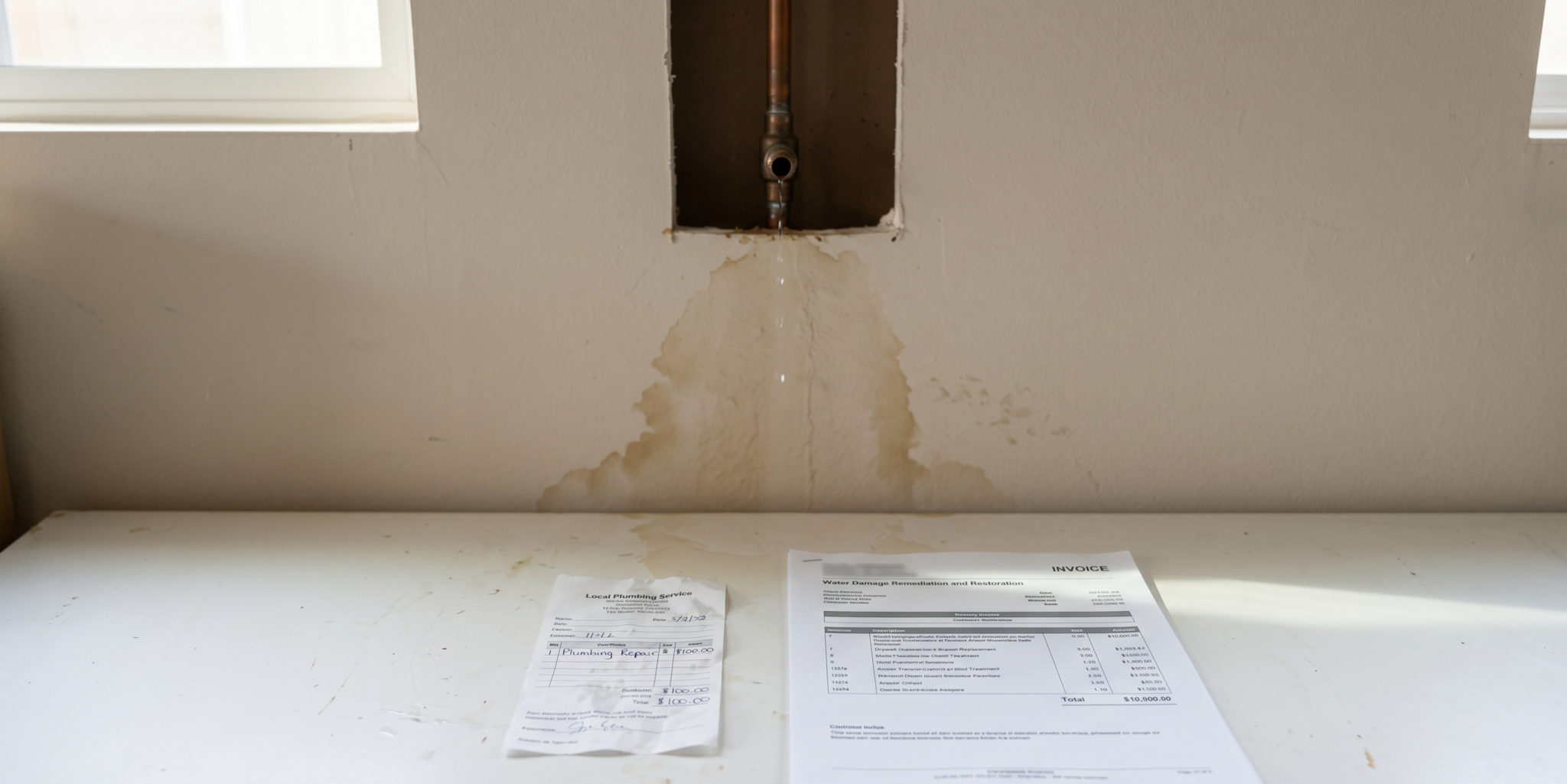
To understand the value of a proactive stance, one must understand how a $100 problem in January becomes a $10,000 catastrophe by June. When repairs are reactive, Operating Expenses are volatile and unpredictable. Preventative maintenance converts high-impact emergencies into low-impact, scheduled line items that can be forecasted, budgeted, and deducted with precision.
The “Hidden” Turnover Cost
Maintenance is the primary driver of tenant satisfaction. In San Diego, the average turnover cost for a three-bedroom single-family rental now ranges from $5,000 to $8,000 when you factor in all components. A tenant who stays because their HVAC was serviced before it broke saves you more money than any rent increase could ever generate.
Revenue Integration: Preserving Top-of-Market Rent
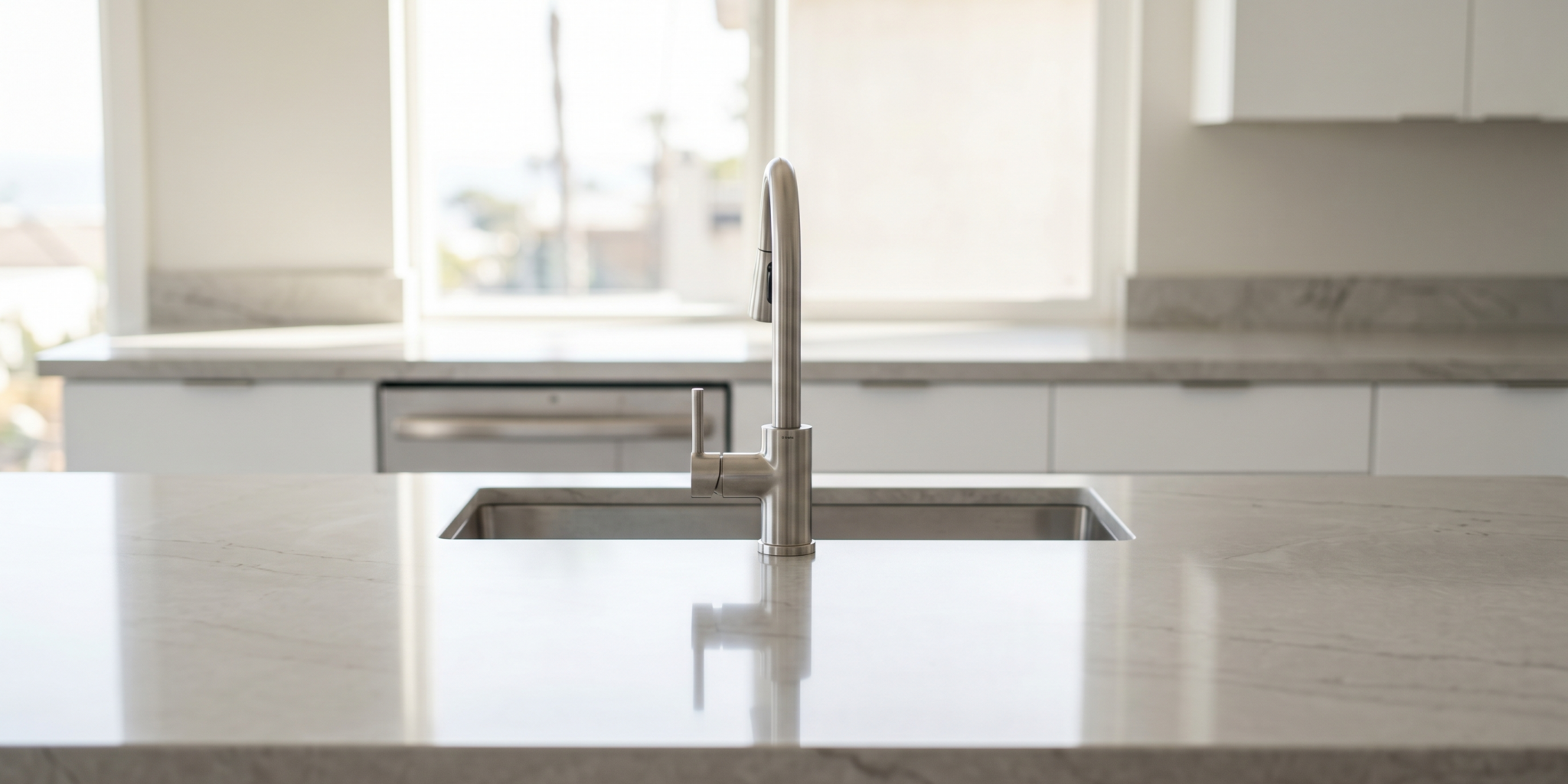
In a stabilized market, tenants become “finish-sensitive.” If your proactive maintenance preserves high-end finishes and appliances, you avoid the $10,000 to $20,000 repositioning often required to compete at top-of-market rent. By performing annual grout sealing, cabinet hinge tightening, and stone countertop polishing, you maintain the “like-new” feel that attracts A-Player tenants with 750+ credit scores and 3x income stability.
For a deeper view of where the market is heading, our San Diego real estate market trends breakdown shows exactly how finish quality is shaping rent ceilings across neighborhoods in 2026.
The 2026 Regulatory Landscape: Maintenance as a Legal Shield
In 2026, preventative maintenance is no longer just a financial choice; it is a legal necessity. California Civil Code §1941 requires landlords to maintain units in a habitable condition - including effective waterproofing, functioning plumbing and gas, consistent heat, and electrical systems in good working order. Failure to meet these standards now triggers immediate financial and legal exposure.

California AB 628 elevated stoves and refrigerators to “essential habitability items.” If a refrigerator fails due to lack of routine maintenance and is not repaired or replaced within 30 days of notice, the unit is legally deemed uninhabitable.
If a landlord fails to address a habitability issue within a reasonable time (often 24-72 hours for urgent items), tenants may spend up to one month’s rent on the repair and subtract it from their payment. Proactive maintenance prevents this entirely.
Both of these laws move the cost of inaction directly onto the owner’s balance sheet. Our breakdown of the California balcony inspection law and the SB 721 guide show how this same enforcement pattern has reshaped multi-unit operations across the state.
San Diego Micro-Climates: Coastal Corrosion vs. Inland Heat
San Diego’s unique geography creates specific maintenance “micro-climates” that require targeted preventative measures. Identical units 15 miles apart face entirely different degradation rates - and a single one-size-fits-all maintenance schedule will inevitably overspend in one zone while under-protecting the other.
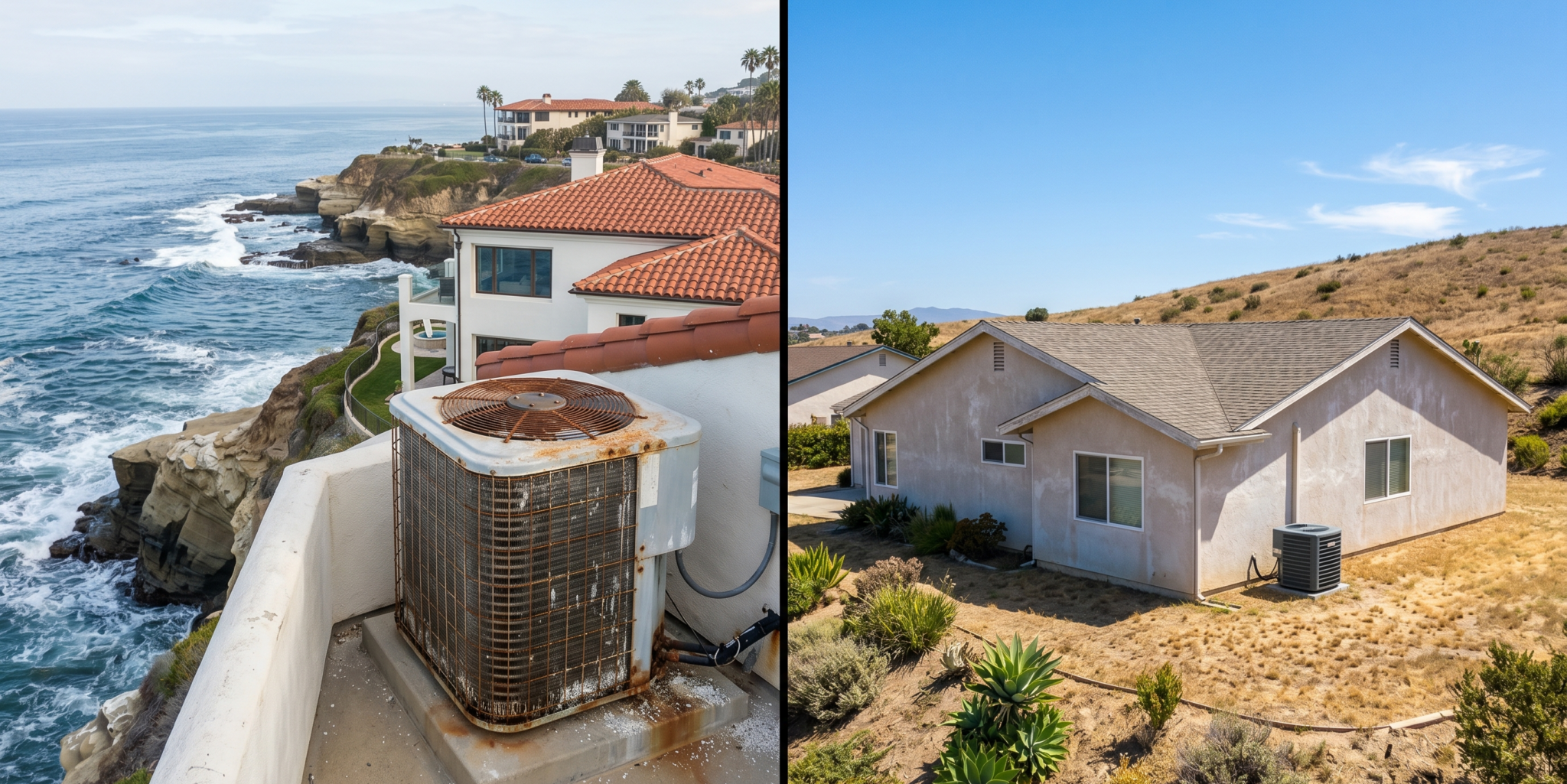
Salt-laden air acts as a relentless abrasive. HVAC condensers in coastal zones often show serious wear by year 7 and may fail by year 10-12 without intervention. We implement quarterly rinsing of exterior systems and use Coastal Grade hardware with protective coatings.
Inland areas face intense UV exposure and extreme summer heat. HVAC units here work 2x harder during heatwaves, increasing capacitor failure risk. Well-maintained inland HVAC systems can last 15-20 years with annual coil cleaning and motor lubrication.
The “Proactive 25”: San Diego Preventative Maintenance Checklist
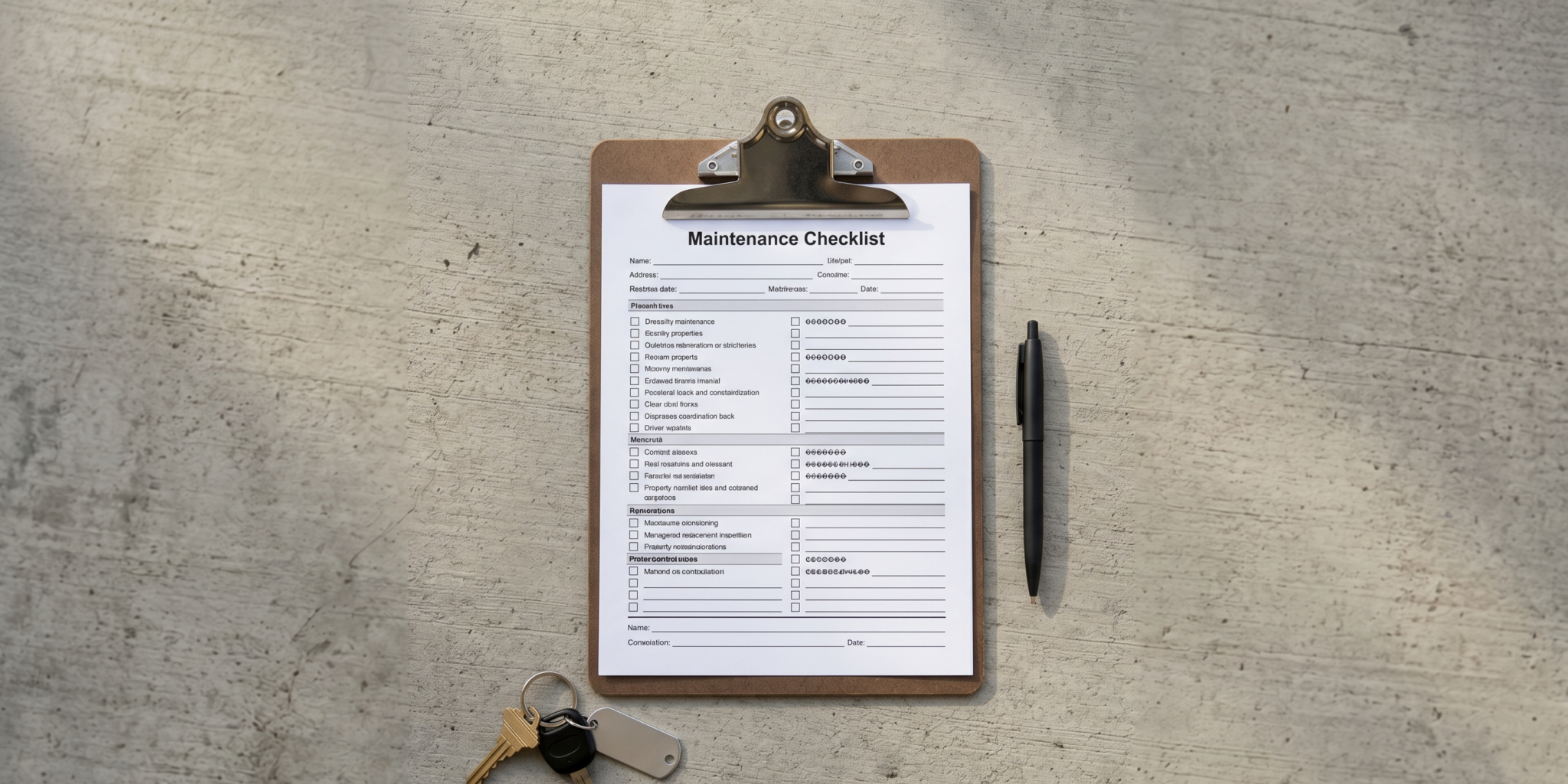
Use this 25-point diagnostic tool to audit your property’s health. If you haven’t performed these tasks in the last 12 months, your ROI is at risk. We organize them into four operational categories so each scope can be assigned, scheduled, and documented for compliance.
Systems & Safety
- Bi-annual HVAC filter swap to reduce blower motor strain and energy bills.
- HVAC condensate line flush to prevent water backups that cause ceiling collapses.
- Water heater flush to remove sediment and prevent premature tank failure.
- Angle stop exercise - turn shut-off valves to ensure they’re not seized when a pipe bursts.
- Smoke and CO detector battery swap with dated documentation (mandatory annual safety check).
- GFCI outlet testing in kitchens and bathrooms to ensure safety shut-offs are functional.
- Dryer vent duct cleaning to prevent the #1 cause of residential fires in California.
Interior & Habitability (2026 Standards)
- Refrigerator coil vacuum to extend life and meet AB 628 standards.
- Stove burner inspection verifying “safe cooking heat” per 2026 habitability law.
- Toilet flapper and seal check to prevent silent leaks that can spike water bills by $300/mo.
- Shower caulking and grout audit to prevent moisture from reaching the subfloor.
- Garbage disposal tune-up to clear debris and prevent motor seizure.
- Window seal inspection for drafts, moisture intrusion, and lock functionality.
- Flooring transition check to mitigate trip hazards and personal injury liability.
Exterior & Structural
- Gutter and downspout clearing before and after the winter rainy season.
- Roofing walk-over by a licensed pro to check for loose tiles or damaged flashing.
- Exterior paint and caulk audit to identify hairline cracks where water or termites enter.
- Irrigation clock sync adjusted for San Diego seasonal water restrictions to avoid fines.
- Tree encroachment audit ensuring limbs aren’t touching the roof or power lines.
- Drainage and grading check confirming water flows away from the foundation during heavy rain.
Pest & Environmental
- Annual termite inspection - a non-negotiable requirement for San Diego wood-frame homes.
- Pest exclusion check sealing small holes that allow rodents to enter the attic.
- Mold nose test identifying musty odors in basements or under sinks before they bloom.
- Garage door safety test checking auto-reverse sensors and spring tension for liability.
- Lighting audit ensuring exterior security and motion lights keep the property safe.
Want the Full “Proactive 25” Audit Run on Your Property?
Our team performs the complete 25-point inspection, documents the findings, and builds a multi-year maintenance calendar tailored to your micro-climate and budget.
Schedule a Free ConsultationFailure Case Study: The $14,200 Leak
In 2025, an owner in Mira Mesa (92126) opted to skip their annual Plumbing Wellness Check to save $250. A slow pinhole leak developed in the master bathroom supply line. Because no one was checking the angle stops, the leak went unnoticed for four months. What follows is the line-item financial outcome of that single deferred maintenance decision.
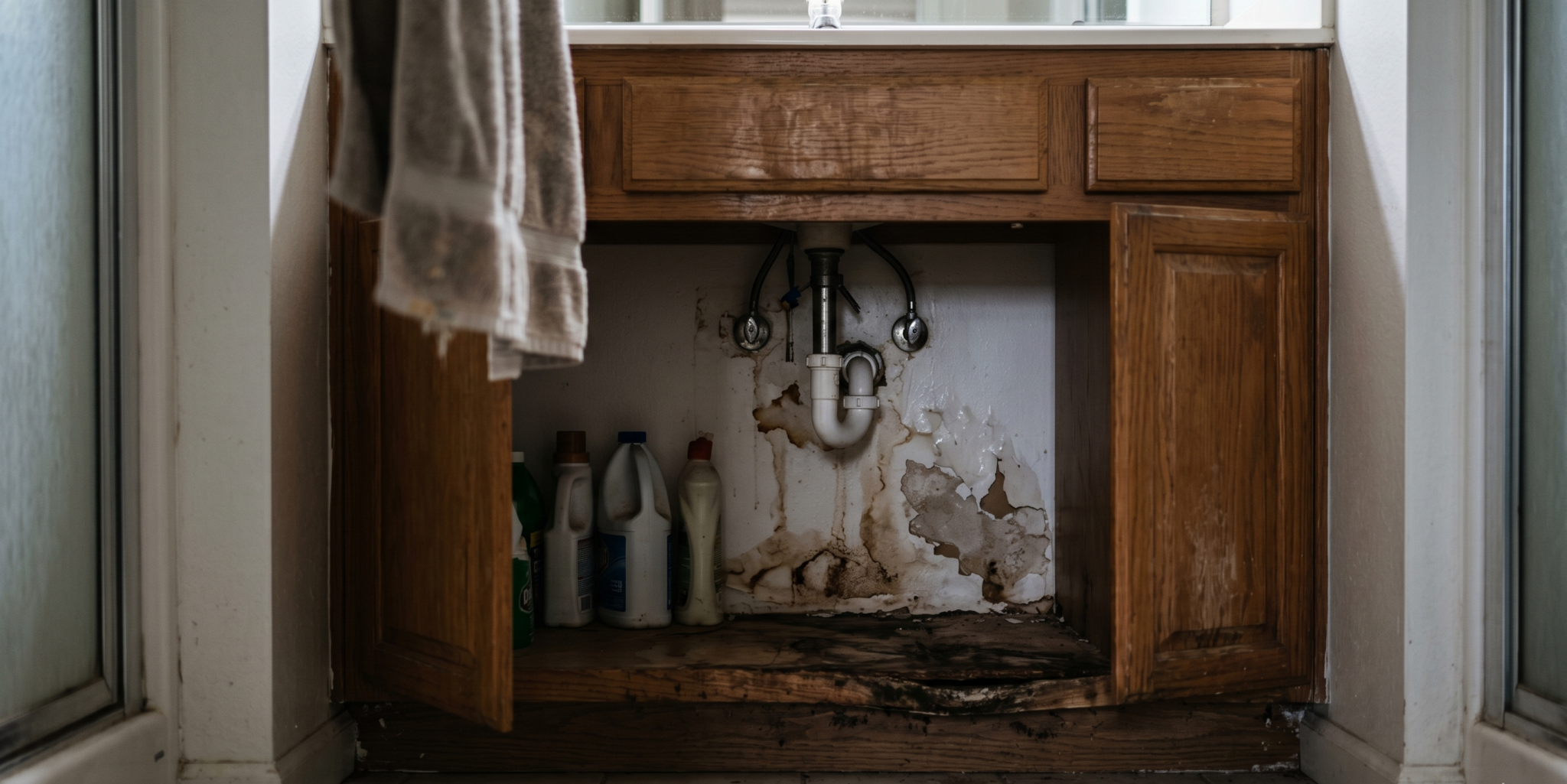
$250 Avoided, $14,200 Paid
| Line Item | Cost |
|---|---|
| Mold remediation | $6,200 |
| Vanity and subfloor replacement | $4,500 |
| Tenant rent credits (habitability claim) | $2,000 |
| Emergency management fees | $1,500 |
| Total avoidable loss | $14,200 |
If the owner had spent the $250 on the proactive plumbing audit, this expense would never have existed. The ROI on prevention here was 56:1.
Maintenance Reserve Formula: The Investor’s Math
Professional operators use a stratified reserve strategy to ensure the asset is never under-funded. We recommend the 10/10/50 Rule - a three-layer framework that keeps liquidity available for routine work, budgets for predictable upkeep, and accounts for the long-tail capital expenses every property will eventually face.

Routine Reserve (OpEx): Hold 10% of gross monthly rent in a liquid operating account - for example, $400 on a $4,000/month rental.
Maintenance Benchmark: Budget 10% of annual gross rent for routine upkeep, billed and tracked as a normal operating line item.
The 50% Rule: Over a 30-year lifecycle, expect 50% of total rental income to go toward non-mortgage expenses - and reserve accordingly.
Dedicated Escrow: Contribute $300-$500 per unit per month into a separate, interest-bearing escrow that is never touched for personal cash flow.
Every dollar contributed to this reserve also has a downstream tax benefit when spent. For the full breakdown of which maintenance categories qualify, see our rental property deductions for San Diego landlords and the broader tax write-offs guide.
5-Year Capital Planning Framework
Reserves are only effective when paired with a multi-year deployment plan. The framework below sequences capital across a typical five-year hold so that no single year carries a disproportionate spike in cost - and so that high-impact systems are addressed before failure, not after.
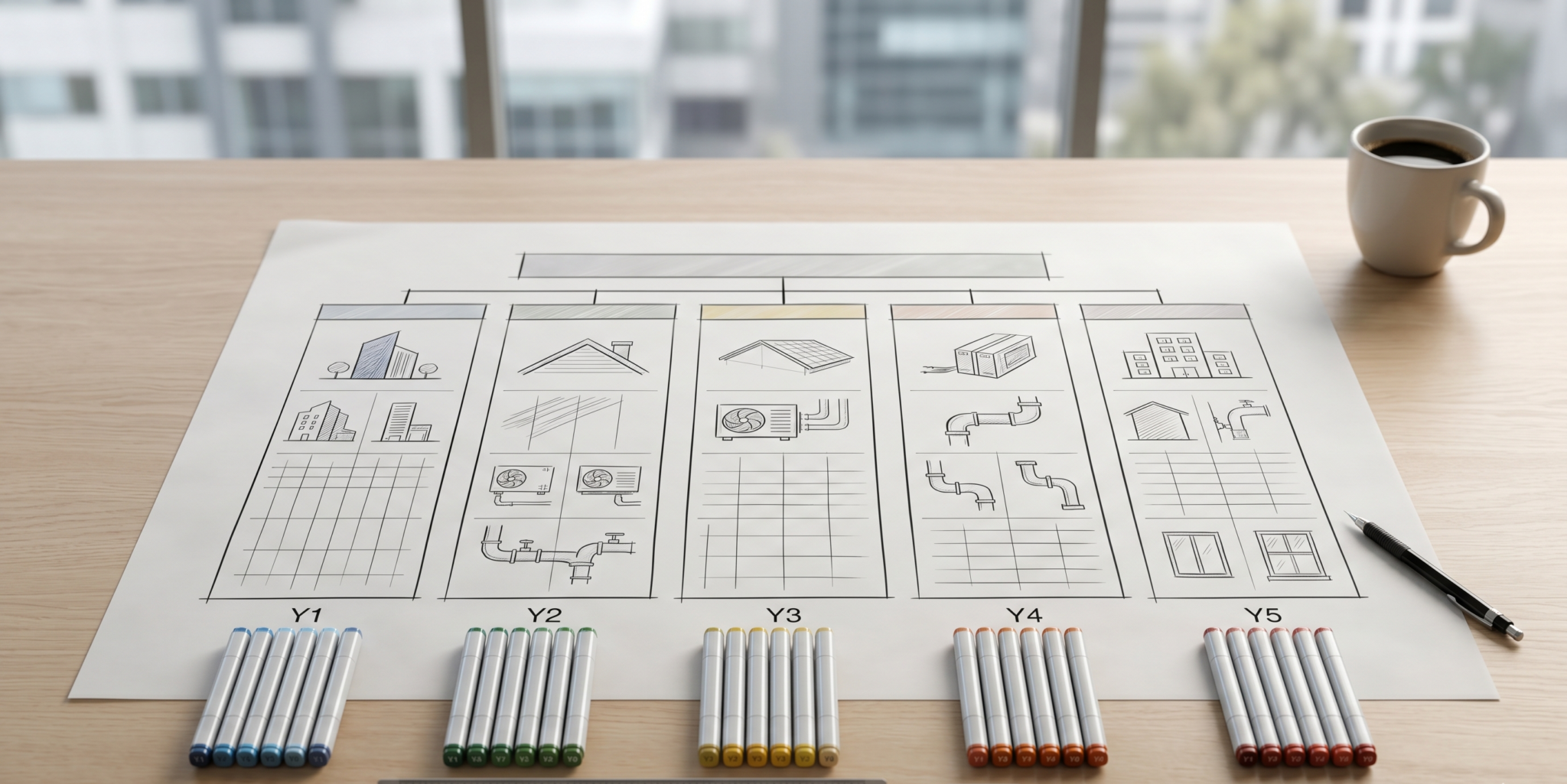
| Year | Maintenance Phase | Focus Area |
|---|---|---|
| Year 1 | Stabilization | Catch up on deferred maintenance; perform Proactive 25 audit. |
| Year 2 | System Optimization | Service major HVAC components; refresh exterior sealants and paint. |
| Year 3 | Cosmetic Refresh | Touch-up paint; professional stone/carpet deep clean to extend life. |
| Year 4 | System Forecasting | Evaluate age of roof and water heater; build reserves for replacement. |
| Year 5 | Asset Repositioning | Upgrade high-touch items (appliances, faucets) to maintain rent. |
Frequently Asked Questions
Who pays for maintenance under California law?
What qualifies as “habitability” in San Diego?
How fast must repairs be completed in California?
How much should I reserve for maintenance in San Diego?
Is preventative maintenance tax-deductible?
What is AB 628 and how does it affect my rental?
How often should HVAC systems be serviced in San Diego?
Can tenants legally deduct repair costs from their rent?
What’s the difference between repairs and capital improvements?
Should I hire a property manager just for maintenance coordination?
Does preventative maintenance actually increase property value?
How does preventative maintenance affect tenant retention?

Next Steps for San Diego Property Owners
If you are tired of “repair shock” and want to move to a clinical, operator-led strategy, it is time to upgrade your management. Learn more about our San Diego property management services.
Protect your income. Enforce standards. Operate with discipline.
Move From Reactive to Clinical - Today
Palm Tree Properties builds and executes the multi-year maintenance plan your asset needs to thrive under 2026 California habitability law. Let’s run the numbers on your property.
Schedule a Free Consultation