Plenty of San Diego landlords don’t want to work with Section 8 tenants, and the main reason is about how tough the program can be to handle and how much time it takes. You’ll have to follow the Housing Commission’s requirements, and there’s always that question about whether the rent check will actually arrive on time. Comparing all that to a standard tenant situation, it makes sense why the traditional option is much less work.
Section 8 actually has a few benefits that most landlords miss when they first consider vouchers. The biggest advantage is probably the payment structure - the Housing Commission sends the majority of your rent payment directly to you each month, and it’s money you can count on every time. Another benefit you should know about is tenant retention. Most Section 8 tenants stay much longer than traditional renters because if they move, they have to go through that whole approval process all over again. San Diego’s Housing Commission alone distributes roughly $300 million in vouchers every year to over 16,000 households, and that means there’s always going to be a steady demand for rentals that accept Section 8.
Back in 2019, San Diego added Section 8 as a protected source of income, and that means landlords can’t legally turn away tenants who use vouchers anymore. The law created some requirements that property owners have to follow. Let’s talk about the main parts, from property qualifications to inspections to payment standards and day-to-day tenant management after move-in. When you learn the process well, it can become a reliable income stream as it helps families who need quality housing.
Let’s go over how the Section 8 rental process works for San Diego landlords!
Key Takeaways
- Since 2019, San Diego law protects Section 8 as income, meaning landlords cannot legally refuse tenants using housing vouchers.
- The Housing Commission pays roughly 70-80% of rent directly to landlords monthly, providing a reliable, predictable income stream.
- Properties must pass a Housing Quality Standards inspection covering heating, plumbing, electrical systems, and smoke detectors before approval.
- Section 8 tenants typically stay longer than market-rate renters because relocating means restarting a multi-year voucher approval process.
- Landlords register through the San Diego Housing Commission’s online portal, with application reviews typically taking 10-15 business days.
What Your Property Needs to Pass
Section 8 rentals in San Diego do need your property to meet a few basic standards before you can list it. Most landlords get through the approval process without too much trouble. Single-family homes are eligible for the program, and apartments and condos work just as well.
The San Diego Housing Commission is going to send out an inspector to your property before they approve it for the program. This inspector will verify that your utilities are working like they should. Your heat needs to be operational, and you’ll have to have hot water available. Your plumbing and your electrical systems need to be safe and in decent working order. The inspector will also check the building’s structure to ensure that it’s safe and sturdy enough for tenants to live in comfortably.

If your rental property was built before 1978, lead paint is something that you’ll need to address with your tenants. The federal government actually makes landlords give a disclosure form that explains potential hazards from lead-based paint. Every rental property from that era falls under this same mandate. You’ll have to hand over any documentation or test results about the lead paint at your property as well.
Plenty of landlords worry whether their older property will pass the inspection when it’s been a few years since any big updates. Homes and apartments in decent condition can usually meet the commission’s standards without too much difficulty. The inspection process confirms that your main systems and safety features work the way they should. High-end upgrades won’t be necessary, and your appliances don’t have to be brand new either. What inspectors want to see is a safe, livable space with heating, plumbing, electrical and other basic systems that all work reliably.
You should check your property before you start the Section 8 process. Take a close look at the basics with a safety-first mindset. Make sure that your heating system is working as it should, your roof isn’t letting any water seep through, and all your doors and windows close the way they should and lock securely. These are the main safety items that inspectors care about the most, and they’re what you need for a passing inspection. As long as you can check off these items, your property should pass without running into any real problems.
How to Use the San Diego Portal
San Diego has an online portal for landlords, and the system does a decent job of streamlining the registration process. The first step is to create an account on the Housing Commission’s website. Once that’s set up, the portal guides you through entering the necessary information about you and your rental property. The system needs basic info about each property to finish your registration properly.
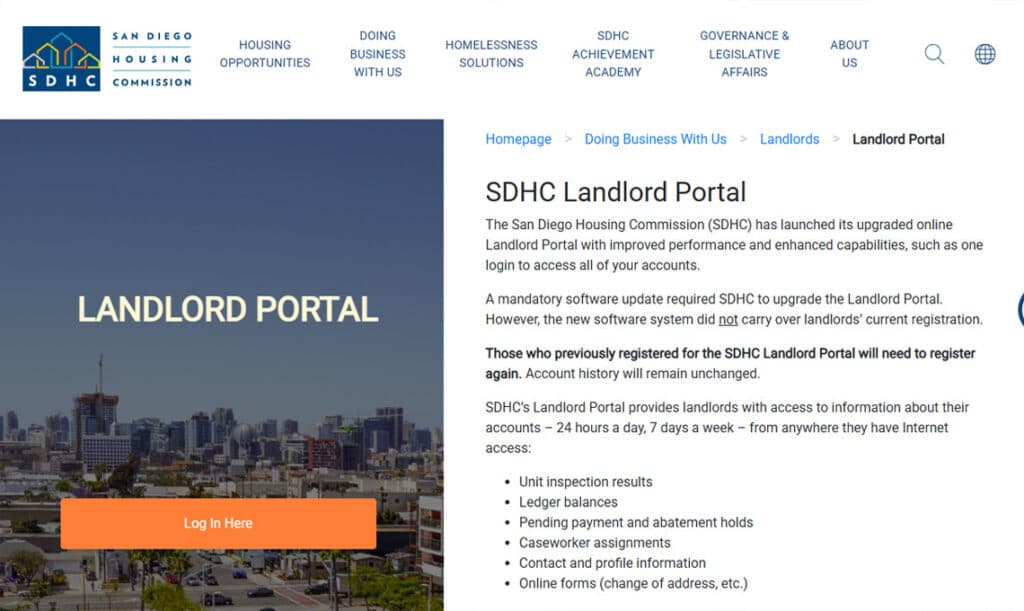
Once you finish the registration process, you can move on and list your property right in that same portal. The system is going to prompt you to upload a few documents along the way. Most landlords are going to need to submit proof of ownership and a W-9 form (that’s just for tax purposes). The platform walks you through each step as you go, so you won’t be left guessing what you’ll need ready.
Once you get all your paperwork submitted, the Housing Commission will review your application and will set up a first property inspection. The whole review process usually takes about 10 to 15 business days. But that window can change a little based on their workload and the number of other applications in the queue ahead of yours.
The application process tends to go much faster if you have everything ready ahead of time. It helps to collect your paperwork before you even fill out the first page. Your ownership documents should be somewhere you can grab them easily. Your W-9 needs to be filled out, and it’s a good idea to go through it closely to catch any mistakes before you submit it. The info should also line up across your different documents - your business name, address, tax ID, that kind of detail.
The portal will keep you updated on where your application stands as it works its way through their review process. Once they schedule your inspection, you’ll get a notification that should give you some time to get your property ready and double-check that everything meets their standards. The inspection itself is the next big step you’ll need to pass, and the results will tell you whether your property can accept Section 8 tenants.
How to Pass Your Housing Quality Inspection
The Housing Quality Standards inspection is one of the biggest steps you’ll take as a landlord as you join this program. Before your property can get approved and start to accept tenants, an inspector from the housing authority needs to come out to check out your rental unit. They’ll go through and check to make sure that everything meets their safety and health standards. The whole process is fairly simple, and most landlords pass it on the first visit without any problems.
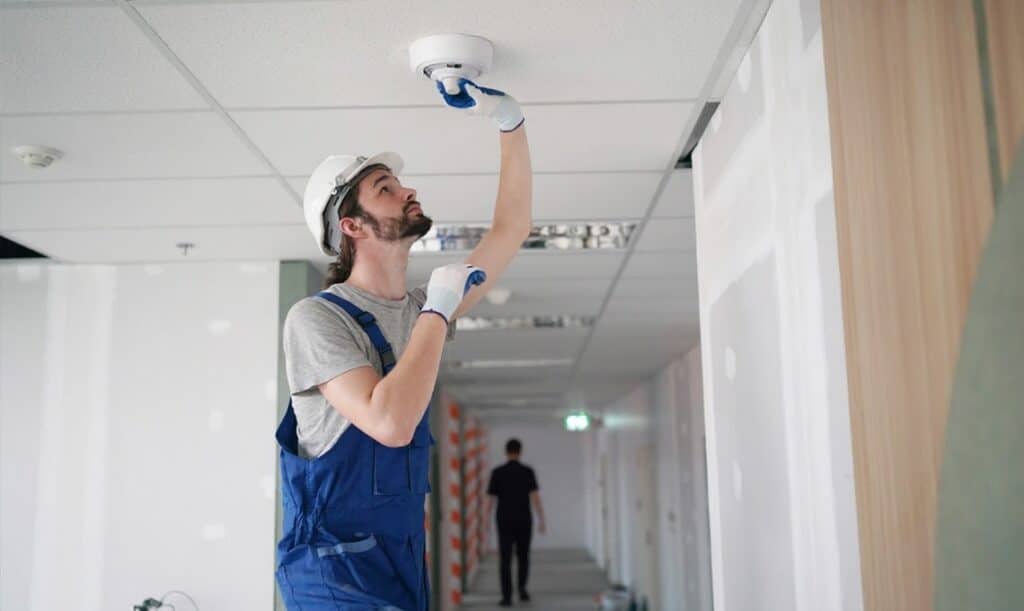
Properties in San Diego usually have problems in a few predictable areas. Smoke detectors are probably the biggest culprit I see - either they’re missing, or they’re broken and not working. The program needs working smoke detectors on every level of your home, and you’ll also need one outside of each sleeping area. Many properties also run into problems because they don’t have enough electrical outlets in each room. Plumbing problems are another big category that’ll get you flagged - like faucets that drip constantly or toilets that run all of the time.
Keep in mind that the inspection process doesn’t stop after that first visit. The housing authority will actually come back every year to make sure that your property still meets their standards for the entire time you participate in the program. A pre-inspection will save you lots of problems down the line. You should hire a local inspector to go through your property before the official inspection takes place, and they’ll be able to catch any of the problems before the housing authority ever lays eyes on them. This gives you time to take care of repairs on your own schedule so you don’t have to scramble and patch everything up at the last minute.
After your property passes the inspection, the housing authority will go ahead and approve your payment. From there, you’ll receive the rental assistance portion every month like clockwork. This inspection step is the last major step that needs to happen before everything gets locked in and the payments start to come to you every month.
How the Rent Payment System Works
After your property passes inspection, you’ll need to know how rent payments actually work with the program. The San Diego Housing Commission sets what it calls Payment Standards, and the amount is going to be different based on the number of bedrooms your rental unit has. That standard is the number that the commission uses to see what portion of the rent the program will actually cover each month.
Landlords don’t have to settle for just the base amount if their situation calls for more. They can ask for as much as 110% of the Payment Standard when they have legitimate reasons to back it up. Maybe your property includes recent upgrades, or you’re located in a neighborhood where the market rate tends to run higher compared to what most other areas are seeing. Either scenario gives you a valid reason to ask for that higher amount. The best strategy is to give some justification for why your rental deserves the extra percentage.

Payment works a little differently with these properties because it comes from two different sources. Each month, the Housing Commission sends its portion of the rent straight to your account. This usually ends up being somewhere around 70% to 80% of the total rent amount. Your tenant then pays you whatever is left over directly.
Most of the neighborhoods saw increases between 5% and 15%, and these increases mirror what’s been happening with housing costs across the entire county. Most landlords like this program because the Housing Commission payment is extremely reliable. It arrives on schedule every month, and there’s no work involved on your end to receive it. The tenant’s portion gets handled in the same way that you’d deal with any other rental situation - just get whatever balance they owe from them. You add the amounts together, and that’s your full monthly rent payment. Keeping tenant turnover low makes this kind of steady income even more valuable over time.
How Section 8 Tenants Follow Lease Rules
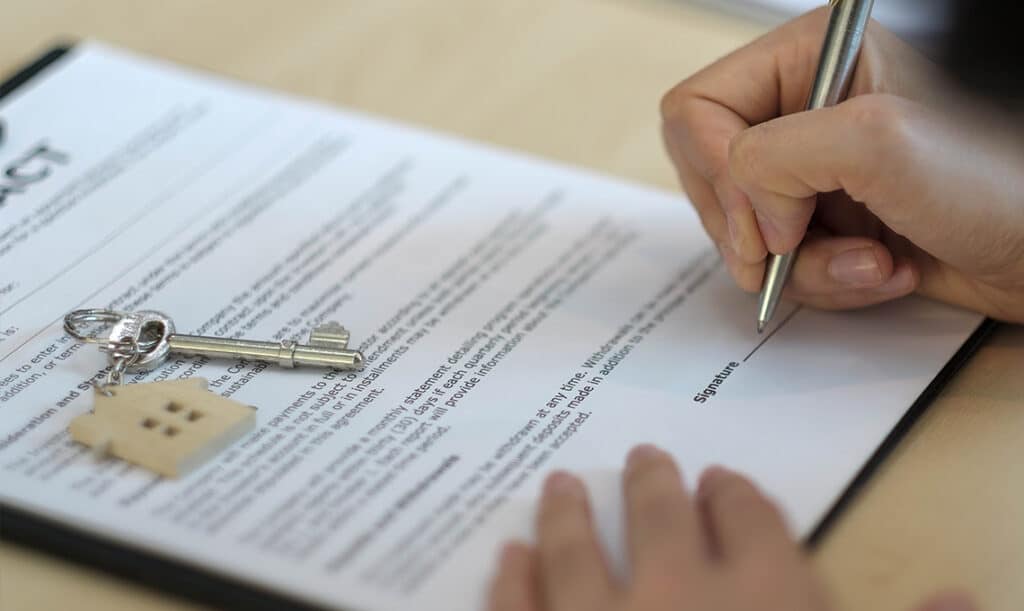
The Section 8 program runs on two separate contracts that work together. As a landlord in the program, you’ll sign a standard lease agreement with your tenant just like you would with any other renter - payment dates, lease terms, how long it lasts, the usual details get covered in there. On top of that lease, there’s also a Housing Assistance Payment contract (usually called the HAP contract) between you and your local housing authority. The HAP contract is the one that makes sure the subsidy portion of your rent payment shows up in your account each month.
As a landlord who works with Section 8 tenants, you have the same rights that you’d have in any other rental agreement. A tenant who violates their lease can still be evicted, and you’ll follow the same legal process that you already use for your other properties. The housing authority actually expects voucher holders to comply with their lease terms just like everyone else, so if a tenant breaks the terms they signed off on, the housing authority won’t intervene on their behalf or make exceptions for them.
Property damage and problem tenants are two of the biggest concerns for landlords who consider Section 8 as a rental option. Housing studies have found something noteworthy about tenant retention patterns. Section 8 tenants stay in their rental homes for much longer than the average market-rate renter does. Extended tenancy like that means you’ll have way fewer turnovers to manage over the years, and you won’t spend nearly as much time posting vacancy listings, scheduling showings or working through the screening process with new applicants.
Once a tenant has a voucher, they’ll do just about everything they can to hold onto it. If they lose the voucher, they lose access to a benefit that could take them years to get back - this means wait lists that can stretch out for multiple years before the assistance opens up again.
The housing authority also runs annual inspections on your property to make sure that everything still meets their standards. These yearly visits actually work out well for you as a landlord. When an inspector comes through on a scheduled basis, it’s easier to catch small maintenance problems as they’re still minor - which is why preventative maintenance saves San Diego landlords money in the long run.
FAQ
Can San Diego landlords refuse to accept Section 8 tenants?
What does my property need to pass the Section 8 inspection?
How do I register and list my property for Section 8?
How does the Section 8 rent payment system work?
Can I evict a Section 8 tenant who violates the lease?
Maximize Your San Diego Rental Property
The Housing Choice Voucher program takes a little time to learn for landlords who are new to it. After the first few months, though, the benefits start to add up. Rent payments show up like clockwork each month, and tenants stay for years because quality affordable housing in San Diego has become extremely hard to find. On top of that reliable income stream, it also feels rewarding to provide stable housing for families who need it in a market that just keeps climbing higher and higher.
The enrollment process is simple. Your properties are going to need to meet a few basic minimums, and you’ll want to verify that before getting too far into the application. Registration happens through the San Diego Housing Commission’s online portal and walks you through everything step by step. A Housing Quality Standards inspection comes next, and your properties are going to need to pass it before you can move forward. Payment standards change based on your area, so familiarize yourself with how those work ahead of time. When it comes time to set up the lease agreement, the expectations should be spelled out right from the beginning. The Housing Commission has a landlord liaison team that’s worked with thousands of property owners on this exact process, and they can help answer whatever questions come up along the way.

The San Diego Housing Commission website has everything you’ll need to get involved - the forms, the information, everything to get started. You can also pick up the phone and call the liaison directly to go over your situation with a person who knows the program inside and out. Thousands of landlords across San Diego already participate, and most of them had the same questions and concerns when they were first looking into it.
At Palm Tree Properties, we work with property owners who need help with voucher programs and want to get better returns from their rentals. We stay current on local program guidelines, maintain strong tenant relationships and ensure reliable rent payments. Each property gets the same care we’d give to our own. Property owners who want to learn about professional management (or just want to know what their rental could earn) can ask for a free rental evaluation. We’d be happy to talk through some of the options that might improve your investment returns.