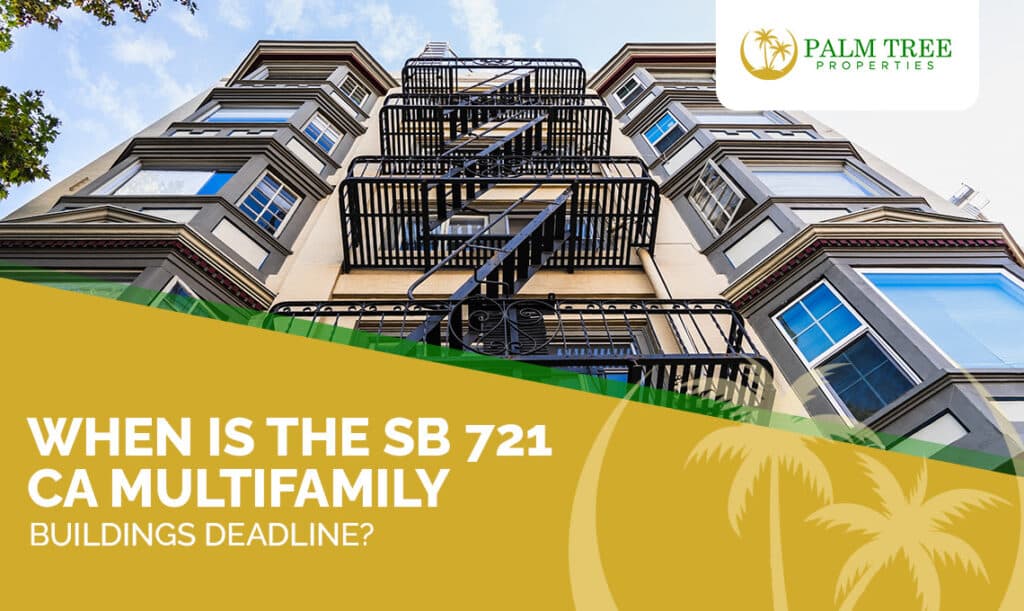
California multifamily property owners have a big compliance deadline coming up, and missing it means that you’ll face serious consequences. Fortunately, the SB 721 inspection deadline has just been extended to January 1, 2026, giving owners more time for their inspections. Nearly 500,000 apartment buildings still need to have this work completed.
This deadline applies to anyone who owns buildings with three or more units and with exterior elevated elements like balconies and walkways. Miss it and you could pay $500 in penalties every day, and also face serious liability exposure if any structural problems develop. With only 200 qualified inspectors statewide for all this work, booking appointments has already become a pretty big challenge.
Property owners who take care of their obligations now can avoid the last-minute scramble that will probably drive costs higher and make inspectors harder to find. Let’s go over just what this deadline means for your property and how to stay compliant before the time runs out.
You need to know everything about this important deadline! Let’s get into it.
Your First Inspection and the Six-Year Cycle
Your first inspection needed to be done by January 1, 2025. This applies to anyone who owns or manages a multifamily building that has elevated exterior elements like balconies, decks, or exterior stairways. No extensions or wiggle room were given on this date, and you really wanted to have it done on time.
Once you complete that first inspection, you’ll be on a six-year cycle from that point forward. Remember that your six-year countdown starts from whenever you actually finish the inspection - not from the January 1 deadline. Complete your inspection in November 2024, and the next one will be due by November 2030.
Many property owners ask if newer buildings get a break on this timeline. They don’t get one. All buildings that have these elevated exterior elements were covered by the January 2025 deadline, regardless of when they were constructed. Even if your building is brand new with a certificate of occupancy from 2024, you still needed to have it checked by the deadline.

Some owners were ahead of the curve and got their voluntary inspections done before the law was even finalized. Anyone who did this and had an inspector follow the SB 721 laws properly can probably count that inspection toward their first deadline. However, your report has to meet every requirement that’s in the law. Most early inspections don’t meet that standard because they weren’t done with SB 721 in mind.
This cycle continues for as long as you own the building. Your property will never be old enough to skip future inspections or be exempt. Any building with these elevated exterior elements must stay on the six-year inspection schedule.
What Buildings and Parts Need Inspection
California has a law on the books that says you need to have your exterior elevated parts checked if your building has three or more multifamily units. This means apartments and condominiums, and it also covers mixed-use buildings where residents live above retail shops or office spaces.
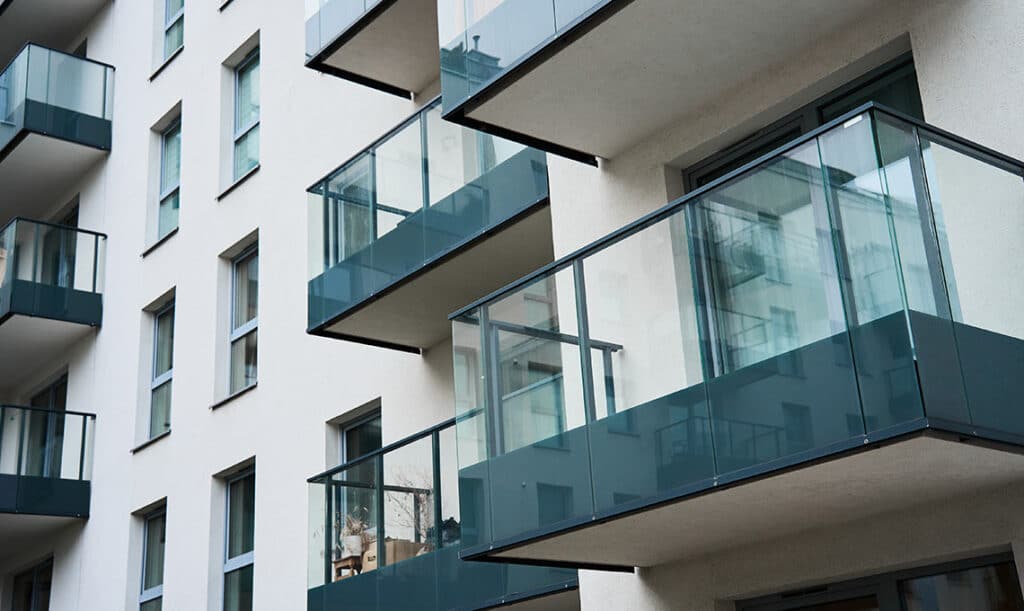
Most property owners miss the six-feet-above-ground requirement completely. Your second-floor balcony obviously counts since it sits way above that height. Third-floor walkways and exterior stairs that connect different levels work the same way.
You need to check the obvious places like balconies and decks, of course. Don’t miss the walkways that connect different sections of your building. Exterior corridors also need an inspection, and even those small landing areas right outside apartment doors count if they’re elevated and get hit by weather.
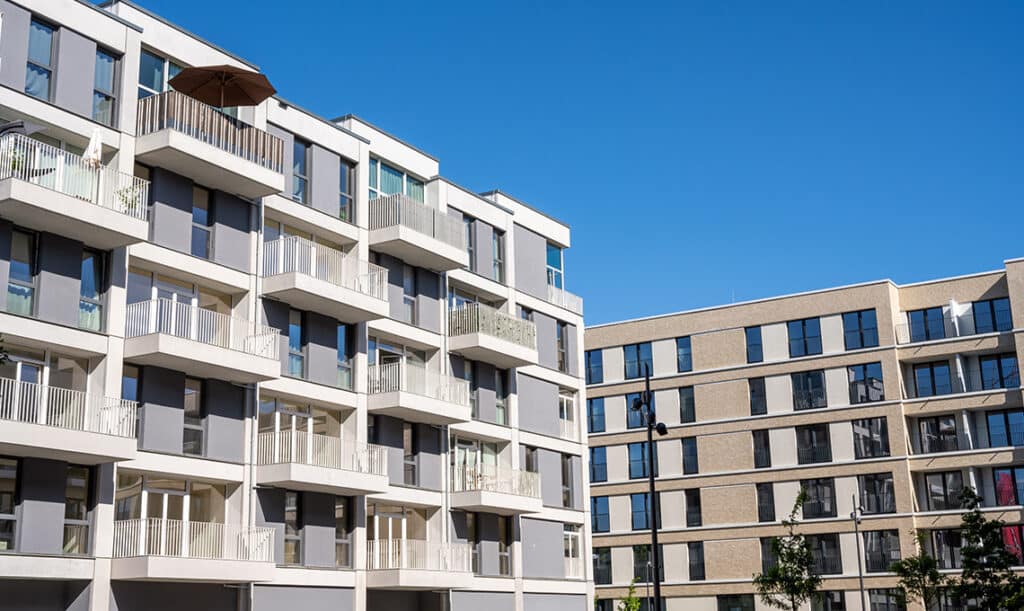
This whole process gets a bit tough because you also have to check parts you can’t actually see with your own eyes. Load-bearing elements hide behind stucco walls and underneath deck surfaces. They hold up the weight above ground level, and just because you can’t see any dry rot or damage doesn’t mean it’s not hiding somewhere.
Some property owners walk around their buildings and only look at the big, obvious balconies. It’s an expensive mistake. All exterior elevated parts need an inspection if they’re made of wood or have any wood pieces in their structure. Support posts and beams underneath also need to be checked.
Want to go deeper on San Diego commercial real estate and investing? Listen to the EZ Deals Podcast, where Erik interviews top CRE brokers, investors, and lenders.
Metal railings that are attached to wood structures also fall under this law, and this takes them by surprise. Connections between different materials really need to be checked because water has a way of collecting right where wood meets metal or concrete. They deteriorate faster than other parts and need a careful inspection.
Who Can Do These Inspections
California is pretty particular about who gets to check out your balconies and walkways. Only three specific types of pros actually know what they’re looking for when they look over these structures - the state has narrowed this work down to just them.
Licensed structural engineers can do these inspections, and architects can too, along with certified building inspectors who have the right credentials. Not every architect or engineer automatically qualifies for this type of work, and it takes people by surprise. They actually need lots of experience working with these particular building types and exterior structures.
California made these laws so strict in the first place because these experts know how water can work its way into wood structures and cause them to rot from the inside out, where you can’t see it happening. They know right where to look for those early warning signs that would slip right past everyone else. California put these laws in place after a few balcony collapses that could have easily been prevented if somebody qualified had been doing proper inspections.
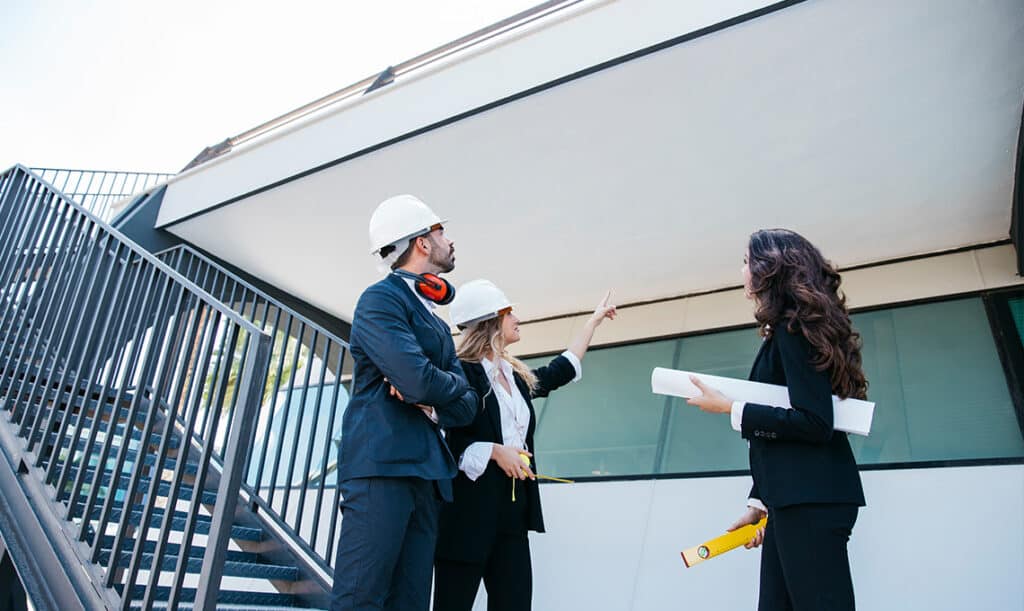
Your usual contractor, who already looks after your building, can certainly fix any problems that are found. They can’t actually perform the official inspection itself, though - that’s a completely separate job that needs those particular licenses we talked about earlier.
You want to make sure that anybody you hire for this job is qualified for the work. Ask to see their license number and then check it directly with the state board yourself. Find out just how many similar buildings they’ve looked at in the past. Make sure that they carry the right insurance for this work, too. Some inspectors spend most of their time working on single-family homes and won’t have much practical experience with apartment buildings and multi-unit properties.
Qualified inspectors have become harder to find as the demand just keeps going up. Lots of property owners are finding out the hard way just how tough it can be to find somebody who is available for the work ahead of their compliance deadline.
The Long Wait for Balcony Inspections
Balcony inspection laws have created a massive scheduling crisis that property owners across California are just starting to understand. Property owners in Los Angeles and San Francisco are stuck in three - to six-month waiting periods just to get an inspector out to their building.
Property owners who called back in October 2024 are finally getting appointments for fall 2025. Behind all these delays, the numbers tell a pretty grim story. California has thousands of buildings that all need these inspections completed, and each one has to hit the same compliance deadline. Only a handful of certified, qualified professionals can actually take on this type of work.
Demand grew so much that a few inspection firms actually stopped taking new customers around mid-2024. They took one look at their packed schedules and knew that there was no way they’d fit everyone in before the state deadline. Moral of the story - schedule early.
Winter weather conditions make the whole situation even tougher. Inspectors like to work during favorable weather, so December through February appointment slots get claimed much faster. Rain delays wind up pushing the schedules back even more, and frankly, no inspector wants to be out there checking balconies during a storm.
Smaller cities usually do have better availability than the big metros - it’s true in some cases. Property owners can’t count on that assumption, though. Even areas well outside the big cities are now experiencing two - to three-month delays. This shortage is hitting the entire state.
Property owners who wait until the very last minute to book their inspections face especially painful financial hits. At that point, you’ll wind up paying whatever rates inspectors want to charge because they know you have very few alternatives left. Premium pricing for rush inspections has become a standard practice as we get closer to the compliance deadline.
How Much Should You Budget for Inspections
Most building owners can expect to pay anywhere from $200 to $800 per unit for their SB 721 inspection. I know that probably seems like a pretty wide range, and the variation comes from a few different reasons. Buildings with more stories always cost more because the inspection company has to bring in extra equipment just to reach those higher balconies safely. The number of balconies, decks, and other elevated surfaces also changes the final price.
Location makes quite a difference in what you’ll pay. Buildings in large metropolitan areas like San Francisco or Los Angeles almost always cost more to check compared to properties in smaller cities across California. Everything from labor costs to equipment rental runs higher in these markets. Also, if your balconies are very hard to reach or your building has unusual architectural features, you’ll probably wind up paying closer to the higher end of the range.
If your inspector discovers problems (lots of them do find at least something), you’ll need to have extra money set aside for repairs. Most professional inspection reports will categorize any problems that they find based on urgency and safety concerns. You can handle the most urgent problems first and spread out the smaller repairs over a longer timeline.
It’s natural to want to cut costs by going with the lowest bidder. Cutting corners here can backfire quickly, though. A discount inspector who tries to get through your building as fast as possible might completely miss structural problems. You could then wind up with much bigger and costlier problems down the road, and possible liability if anyone gets hurt because of something that should have been caught.
Property owners do have some legitimate ways to bring down costs, though. Plenty of them find that bundling their SB 721 inspection with other needed building assessments saves money. If your building is also due for a roof inspection or seismic evaluation, it’s worth asking the same company about package pricing for multiple services.
Unfortunately, your insurance won’t cover these costs. Most insurance policies classify SB 721 inspections as routine building maintenance, and they fall outside of standard coverage. Your insurer won’t pay for any repairs that come out of the inspection, either, unless actual damage occurred from something like a storm or other covered incident.
Fines and Local Law Differences
SB 721 sets the baseline laws for California. It’s just the starting point, though. Cities like Berkeley, San Francisco, and Los Angeles decided that the state laws weren’t tough enough, so they went ahead and created their own stricter versions. You have to follow the stricter ones when they conflict, and almost always, your local city ordinance ends up calling the shots.
Missing these inspection deadlines can get expensive fast. Property owners will get hit with fines anywhere from $100 to $500 each day for each violation from the state. Multiple balconies mean multiple violations, and those day-by-day penalties start piling up faster than anyone expects. Fines aren’t the bigger financial problem, though - it’s the legal mess if anyone gets hurt on a balcony that should have been checked. Personal injury claims can very quickly reach six or seven figures and make those day-by-day fines feel like loose change.

Property sales can get messy without SB 721 compliance paperwork. Banks and other lenders always ask for inspection reports as part of their approval process now. Deals fall through, and refinancing gets denied, and buyers walk away from otherwise solid properties when paperwork is missing. Real estate agents know this, and it’s why many of them won’t even list places without up-to-date inspection certificates.
Building departments maintain detailed records of which properties need inspections and which owners are staying compliant. Tenant complaints can trigger investigations, and permit databases make it easy for officials to find properties that should have been checked. Smaller buildings and homes in quiet neighborhoods aren’t going unnoticed like some owners assume - it’s not worth taking the gamble.
Enforcement starts with a formal letter of violation landing in your mailbox. Day-by-day fines start adding up fast, and legal action is a real possibility if owners keep putting it off. Waiting for California to extend deadlines or soften the laws is probably wishful thinking. Property owners who put this off will find it harder to book reliable inspectors, and rush inspection fees can cost much more than planning ahead.
FAQ
When is the SB 721 balcony inspection deadline?
Which buildings and building parts need an SB 721 inspection?
Who can perform an SB 721 inspection?
How much should owners budget for an SB 721 inspection?
What are the fines and consequences for missing the deadline?
Maximize Your San Diego Rental Property
These inspections can look like a big job. They’re actually manageable once you handle them step by step. Start by walking around your property and jotting down every balcony, stairway, and elevated walkway that needs an inspection. Once you have that list, start calling the inspectors. Don’t wait until next week - make those calls this afternoon or tomorrow. Wait any longer, and you’ll wind up paying more for the inspections, and you’ll stress about lining up an inspector as everyone else is scrambling to meet the deadline. Handle this now, and the next round in six years will feel like regular maintenance instead of a last-minute scramble.
I’ve watched property owners dread these laws. Most of them end up caught off guard by how simple it becomes once they start. Thousands of California property owners are working through these inspections right now, and they’re finding that a bit of planning and early action makes the whole process manageable. Feeling confident that your property is safe and legal makes the work that you do now worth it.

At Palm Tree Properties, we stay ahead of regulations like these because it’s sound business and it’s great for residents. We help San Diego property owners with everything from regular maintenance to legal matters, and we’re always focused on protecting your investment as we help it reach its full upside. We’d love to show you what your rental property could actually earn with management that takes care of all this for you. We’d love to show you what our way of working can do.
Get your free rental property evaluation now and see how we can improve your returns as we take the stress out of property ownership!