Under SB 721, licensed experts are required to inspect all exterior elevated elements (EEEs) that sit 6 feet or more above the ground - including balconies, walkways, and stairways used by residents and visitors. Your inspector must be a licensed architect, structural engineer, general contractor, or certified building inspector. After completing your first inspection, follow-up inspections are required on a recurring 6-year cycle.
Wood-framed structures receive particular scrutiny because moisture and dry rot were identified as contributing factors in the 2015 Berkeley balcony collapse that prompted this legislation. The law requires that at least 15% of each type of exterior elevated element be inspected as a representative sample across the property. Documentation is a critical part of compliance - you are required to retain all inspection reports for two full inspection cycles, meaning 12 years’ worth of records that must be stored and accessible.
California’s SB 721 inspection deadline was originally January 1, 2025, but AB 2579 extended it to January 1, 2026. That extended deadline has now passed. If you own an apartment building with 3 or more units and have not yet completed your inspection, you are currently out of compliance. The right move is still to schedule your inspection as soon as possible - a late inspection is far better than no inspection, and it demonstrates good-faith effort to comply. Fines for non-compliance can reach $100 to $500 per day, so acting quickly limits your exposure.
If an inspector identifies a life-safety hazard, written notice to affected tenants is required within 15 days. For non-emergency repairs, owners have 120 days to apply for the necessary permits and another 120 days to complete the work once the permit is issued. Note that California Civil Code §1954 requires landlords to provide tenants with at least 24 hours’ advance notice before an inspector enters their unit or the areas serving it - not 30 days as is sometimes incorrectly cited.
Let’s take a closer look at what SB 721 means for property owners across California and what steps to take if you haven’t yet complied.
Key Takeaways
- SB 721 requires licensed inspections of exterior elevated elements 6+ feet high on buildings with 3 or more units.
- The compliance deadline was January 1, 2026; non-compliant landlords now face fines of $100-$500 per day.
- Inspection costs range $150-$500 per balcony, but repairs like dry rot remediation can reach five-figure totals.
- Non-compliance risks include insurance claim denials, lawsuits, and potentially involuntary manslaughter charges if negligence causes death.
- Landlords must give tenants 24 hours’ written notice before inspection entry, per California Civil Code §1954.
What You Need for SB 721
California’s balcony inspection law exists because of a few deadly collapses that shook up the entire state. Berkeley saw the worst one in 2015 when a balcony completely gave way during a party and 6 students lost their lives. That tragedy was the catalyst for SB 721, which took effect January 1, 2019. The original inspection deadline was January 1, 2025, but AB 2579 extended it to January 1, 2026, giving landlords an additional year to comply.
That deadline has now passed. If your building hasn’t been inspected yet, the right move is still to schedule one as soon as possible. A late inspection won’t undo the missed deadline, but it does demonstrate good faith and is the only path toward actual compliance. Fines for non-compliance can run $100 to $500 per day, so the longer you wait, the more costly the situation becomes.
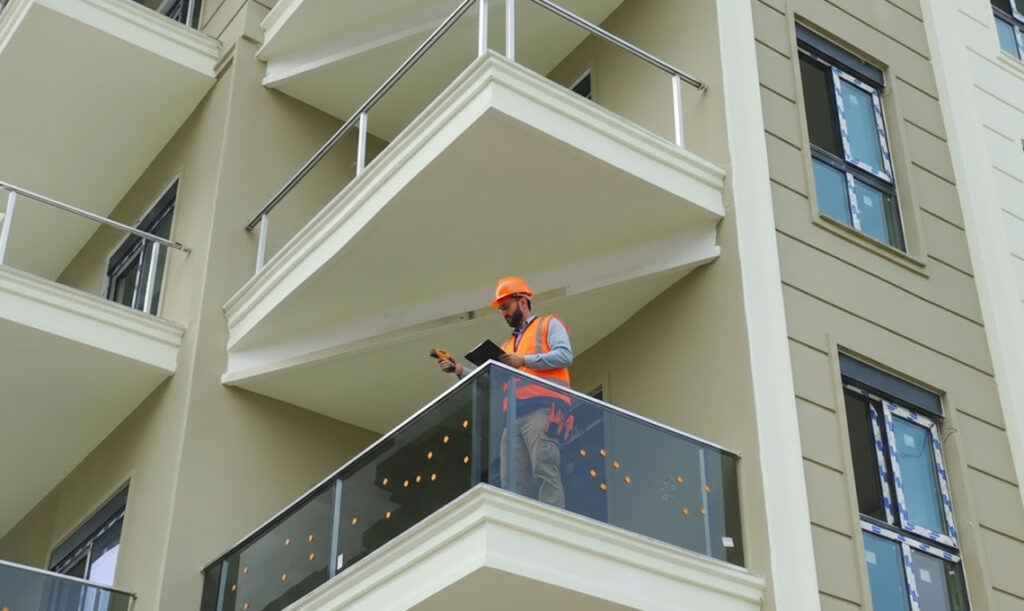
SB 721 applies to any apartment building with 3 or more units. The law covers balconies, walkways, stairways, and other exterior elevated elements that are 6 or more feet above ground level. Inspectors are required to examine at least 15% of each type of exterior elevated element through direct visual inspection. After the initial inspection, the 6-year cycle repeats, so this is an ongoing obligation rather than a one-time requirement.
Wooden structures are one of the state’s biggest concerns, and for good reason. Moisture can rot them from the inside out without any visible warning signs on the surface. By the time damage becomes obvious to the untrained eye, the structural integrity may already be severely compromised. Regular inspections exist specifically to catch these problems early, before they become catastrophic.
When it comes to who can legally perform the inspection, the state is strict. Licensed architects, credentialed structural engineers, and certified building inspectors with the appropriate training for this type of work are all acceptable. Whoever you hire needs to be qualified to produce a report the local jurisdiction will actually accept. If the inspector doesn’t meet the state’s requirements, the report won’t count and you’ll have to start over.
If an inspector identifies an immediate life-safety hazard, written notice must be provided within 15 days of that finding. From there, property owners have 120 days to apply for a permit and another 120 days to complete non-emergency repairs. For conditions that pose an imminent danger, access must be restricted immediately and repairs completed before residents can return to the affected area.
One misconception worth clearing up: California’s entry notice requirement under Civil Code §1954 requires landlords to give tenants 24 hours’ notice before an inspector enters a unit, not 30 days. Also worth noting, older buildings don’t get a pass on any of this. As long as a building has 3 or more units and includes elevated exterior elements 6 feet or higher, SB 721 applies regardless of when the building was constructed. Records related to inspections must be retained for at least 12 years.
Budget for Both Inspections and Repairs
Money is obviously a big concern with these mandatory inspections since they’re definitely not free. Property owners are usually looking at anywhere from $150 to $500 for each balcony inspection, and a few factors will play into where you’ll land in that range. Location matters quite a bit - a building in downtown Los Angeles is almost always going to cost more to inspect than a similar property out in the suburbs.
Inspector rates are all over the map, and there’s a logical reason for it. Some inspectors charge more because everyone wants them, or they have skills that others don’t. Buildings with unusual architecture or hard-to-reach balconies will also bump up the inspection cost.
A devastating balcony collapse in Berkeley back in 2015 was actually the tragedy that set all of this legislation in motion. Six people lost their lives when that structure failed, and it became the catalyst for California lawmakers to act. No property owner wants to face that kind of tragedy, and no amount of cost savings could ever justify that level of danger.
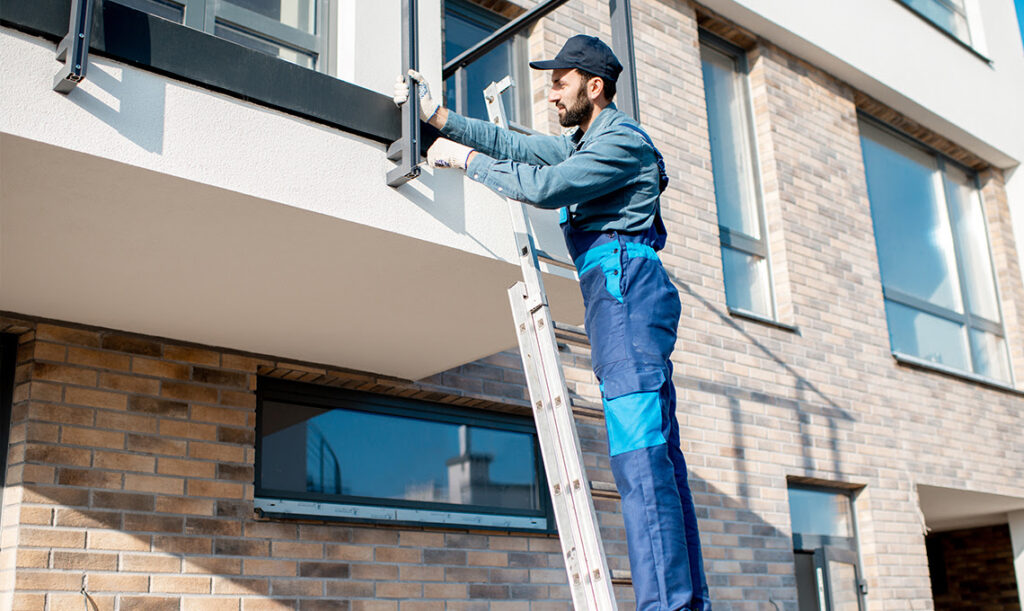
Most landlords don’t know that the inspection fee is only the first expense they’ll face. Property owners who’ve been at this for some time usually set aside 2% to 5% of their property’s value for maintenance and repairs. That sounds like quite a bit of money, and it definitely is. But you’ll need every penny when something goes wrong.
The financial reality can be brutal once inspectors start uncovering big problems. Dry rot is especially nasty because it can spread quietly for years without anyone’s knowledge. Entire support beams might need to be replaced, and suddenly you’re looking at repair bills in the 5-figure range. A colleague just told me about their balcony situation, where the inspection turned up massive structural damage across only 3 balconies, and the final repair bill was $30,000.
When hazardous conditions are found, the repair timeline under SB 721 is specific and non-negotiable. Inspectors must provide written notice within 15 days of identifying a life-safety hazard. From there, owners have 120 days to apply for a permit and an additional 120 days to complete non-emergency repairs. Missing those windows can expose you to fines of $100 to $500 per day, so the moment an inspector flags something, the clock starts ticking.
Financial planning for these scenarios should already be underway. Monthly contributions to a repair fund are a good idea if you haven’t started one already. Plenty of landlords have set up a dedicated account just for balcony maintenance, and others are building out their existing reserves to stay ahead of both inspection costs and whatever repairs follow.
Legal Risks and Your Insurance Coverage
The legal consequences of California’s balcony inspection law extend way beyond the monetary fines the state can impose. The Berkeley balcony collapse in 2015 is a sobering reminder of what can happen when these structures fail - six college students lost their lives in that incident. The property owners faced more than $60 million in lawsuit settlements, and the legal battles dragged on for years. The financial losses from those lawsuits completely dwarfed what any routine inspection would have cost.
Insurance carriers take these liability situations seriously, and for good reason. If a visitor is injured on your property and you haven’t maintained the safety inspection records your carrier expects to see, the insurer can refuse to cover the claim outright. One of the first things an insurance adjuster will request is your inspection records and proof of maintenance. Without that documentation - or if you’ve allowed repair deadlines to slip - the insurance company can walk away from the situation entirely. Any resulting settlement or court judgment then falls squarely on you, paid directly out of pocket.

The possibility of criminal charges makes this even more serious for property owners. California prosecutors have the authority to file involuntary manslaughter charges against landlords whose negligence leads to a death on their property. For owners who have stayed current with inspections, the law offers meaningful protection. Attorneys often refer to this as a safe harbor provision - your inspection reports and repair records serve as documented evidence that you acted as a responsible property owner, and that paper trail becomes your strongest defense if an incident ever occurs.
This matters especially now that the SB 721 inspection deadline - originally set for January 1, 2025 and extended to January 1, 2026 by AB 2579 - has already passed. If your building has three or more apartment units and you have not yet completed your required inspection, you are currently out of compliance. Fines of $100 to $500 per day can accrue, and more importantly, any injury or structural failure that occurs without a current inspection on file significantly undermines your legal position. The correct step at this point is straightforward: schedule your inspection now. A late inspection is still far better than no inspection at all, both from a liability standpoint and in terms of limiting ongoing fine exposure.
Judges and juries consistently view landlords more favorably when those landlords can demonstrate full compliance with applicable inspection laws. Even in cases where an accident occurs despite documented maintenance efforts, your records prove you were not negligent. That distinction can be decisive in how civil cases and potential criminal charges are resolved. The inspection requirement under SB 721 recurs on a six-year cycle, so completing your initial inspection also sets the clock on your next required evaluation - giving you a clear, defensible compliance timeline going forward.
How to Handle Tenants During Inspections
The biggest problem with balcony inspections isn’t the inspection itself or the paperwork that goes along with it. The real problem is tenant cooperation, and landlords who’ve been through this process before know just what I mean.
California law requires property owners to provide at least 24 hours’ written notice before an inspector enters a unit, as established under Civil Code §1954. Direct communication about what’s going to happen, when it’s going to happen, and why it needs to happen makes all the difference in how tenants respond to the whole situation.
Chicago had to learn this the hard way back in 2003 when a porch collapsed and killed 13 residents. The city rushed to put inspection laws in place, and tenants were caught completely off guard. Everyone was convinced that they’d have to pack up and leave during the inspections, and landlords spent months handling angry phone calls and frustrated emails from residents who had no idea how the process actually worked. Clear, proactive communication was the single biggest factor that separated smooth inspections from chaotic ones.

One of the hardest situations happens when inspectors have to pass through someone’s bedroom just to reach the balcony. Nobody wants strangers in their bedroom, and property managers do need to address this concern early on in the written notice they send out. Explaining the scope of the inspection, the approximate time it will take, and who will be present goes a long way toward reducing anxiety and pushback.
If a life-safety hazard is discovered during the inspection, SB 721 requires written notice to affected tenants within 15 days. From there, owners have 120 days to apply for a repair permit and another 120 days to complete non-emergency repairs. Keeping tenants informed at each stage of that process prevents rumors, complaints, and unnecessary calls to housing authorities.
Repairs will often lock tenants out of their balconies for days or weeks at a time. Experienced landlords will offer a modest rent reduction for that month or provide temporary access to other amenities. These small gestures can prevent negative reviews and discourage tenants from escalating concerns to local agencies.
The inspection process has one main job - it protects residents from tragedies that never had to happen. If your property has not yet completed its SB 721 inspection, the January 1, 2026 deadline has already passed. A late inspection is still the right course of action. Schedule one now and document everything carefully, as fines for non-compliance can reach $100 to $500 per day.
Other Options for Property Owners
Beyond simply scheduling a late inspection to come into compliance, some property owners are weighing broader structural decisions about what to do with their exterior elevated elements altogether. While inspection and repair is the most straightforward path to compliance, a few alternative approaches have emerged that are worth understanding.
Some landlords have opted to permanently remove balconies, decks, or walkways rather than commit to ongoing inspection and repair costs. The math can make sense in certain situations. The SB 721 six-year inspection cycle, combined with the cost of any required repairs, can add up significantly over the life of a building - especially for older structures with aging wood framing that may need repeated intervention. One building owner in the Mission District reportedly spent $40,000 to remove 8 balconies from his property, calculating that the same amount would be absorbed within roughly 15 years of inspections and repair work across a recurring cycle. That said, removal is a major decision that affects tenant amenity, property marketability, and potentially rent or lease terms, so it warrants careful financial and legal analysis before proceeding.
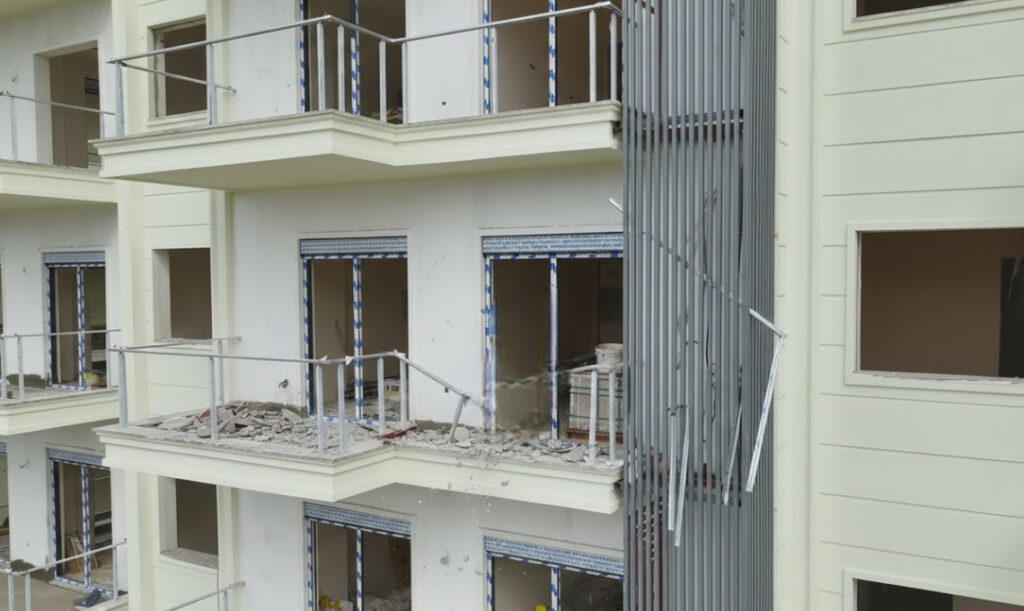
Another option some property owners have pursued is converting a balcony or deck into enclosed interior living space. This requires proper permits, compliance with current building codes, and appropriate weatherproofing, windows, and wall construction - none of which is a small undertaking. However, once the conversion is complete and the space is fully enclosed as interior square footage, it is no longer classified as an exterior elevated element under SB 721 and falls outside the scope of the balcony inspection requirements. As an additional benefit, the converted space typically adds to the unit’s total livable square footage, which can increase the property’s appraised value.
Some owners have also chosen to demolish an aging balcony and replace it with a completely new structure. A brand-new exterior elevated element built to current code standards resets the inspection timeline - the first required inspection under SB 721’s six-year cycle wouldn’t be due for another six years from the date of construction. Modern materials and construction methods also tend to require less maintenance over time than older wood-framed structures, which can reduce the long-term cost burden going forward.
The right financial decision depends heavily on the specifics of each property. A building with 20 balconies in poor condition faces a very different calculus than a smaller property with 4 relatively sound structures. Owners dealing with repeated costly repairs on aging elements may find removal or full replacement to be more economical over the long run than continued inspection and patching. Newer or well-maintained buildings, on the other hand, may find that routine compliance with the six-year inspection cycle is the most cost-effective path by a wide margin.
Regardless of which direction you choose, the priority right now is addressing compliance. If your building has not yet completed its SB 721 inspection, the January 1, 2026 deadline - extended from the original January 1, 2025 deadline by AB 2579 - has already passed. A late inspection is still the correct remedy, and taking action now reduces your exposure to the daily fines of $100 to $500 that local jurisdictions are authorized to impose for ongoing non-compliance.
FAQ
What does California’s balcony inspection law (SB 721) require?
The January 1, 2026 deadline has passed - what if I haven’t complied yet?
What happens when an inspection finds a problem?
Who is qualified to perform a balcony inspection under SB 721?
How much do balcony inspections and repairs cost?
What are the legal and insurance risks of ignoring SB 721?
How should landlords handle tenants during a balcony inspection?
Maximize Your San Diego Rental Property
The January 1, 2026 deadline for SB 721 balcony inspections has passed - and if your property hasn’t been inspected yet, the right move is still to schedule one as soon as possible. California implemented these laws following the tragic 2015 Berkeley balcony collapse, and compliance remains mandatory regardless of whether the deadline has come and gone. A late inspection is still the correct remedy. Every day without one on the books leaves you exposed to fines of $100 to $500 per day, potential liability, and the possibility of being ordered to restrict tenant access to any elevated exterior elements that haven’t been assessed.
It’s worth clarifying the timeline: SB 721 took effect January 1, 2019, and originally set an inspection deadline of January 1, 2025. That deadline was subsequently extended to January 1, 2026 by AB 2579. If your property is an apartment building with three or more units, inspections are required on a six-year recurring cycle from that point forward. Inspectors must perform direct visual inspection of at least 15% of each type of exterior elevated element (EEE) that is six feet or more above grade. If a life-safety hazard is identified, written notice is required within 15 days, followed by 120 days to apply for a permit and another 120 days to complete non-emergency repairs. Records must be retained for 12 years. Note that SB 721 applies to apartment buildings - if you own a condominium or HOA property, the parallel law is SB 326, which had its own deadline of January 1, 2025, and uses a different statistical sampling standard.
One practical note on coordinating inspections: California Civil Code §1954 requires landlords to give tenants 24 hours’ advance notice before entering a unit or accessing areas of the property for inspection or repairs. Plan your scheduling accordingly and keep written records of any notices provided to tenants.
Property owners who have already completed their inspections consistently report the same outcome - greater confidence in their investment. They know exactly where they stand legally, they have the documentation they need if questions arise, and their tenants appreciate that safety is being taken seriously. That peace of mind has real value, even if it doesn’t show up as a line item on a balance sheet.
Viewed in the broader context of property ownership, compliance with balcony inspection laws is simply part of maintaining a rental property in California. The landlords navigating this most successfully are treating it as an opportunity: scheduling overdue inspections now, bundling repair work with other planned maintenance, and using the process to take a closer look at other areas of their buildings that may benefit from attention. Resistance only drives up costs and exposure over time.
At Palm Tree Properties, we’ve been helping San Diego property owners work through regulatory changes like these for years. Managing rental property means staying current with evolving laws, handling unexpected costs, and coordinating between tenants, contractors, and inspectors - and we know that can add up quickly. If SB 721 compliance or any other aspect of property management is becoming difficult to manage, we’re here to help. Find out what your property could actually earn while staying fully compliant with California law. Request your free rental property evaluation and learn how we can help maximize your returns while keeping your properties safe and up to code.