
Late rent payments are a headache for property owners in California. Landlords count on those monthly rent checks to cover everything from their mortgage payments to everyday maintenance and repairs on their buildings. The challenge is that California law has some pretty strict limitations on what you can charge a tenant who pays after the due date.
Late fees get rejected in court all of the time when they’re unreasonably high, and judges aren’t going to rule in favor of landlords who can’t prove that their charges actually line up with real costs. A landlord in San Marcos learned this the hard way after they charged a $100 late fee on a monthly rent of $2,500 and couldn’t show any paperwork to back up the amount. What started out as a fairly standard rent collection case turned into a legal loss.
Property owners who misunderstand California’s “reasonableness” standard wind up with lease terms that won’t hold up in court and leave them exposed when it’s time to bring in the rent or fees. Local rent control laws make this even harder to handle, especially in cities like San Francisco and Los Angeles, where the city’s own rental caps supersede what the state permits. A landlord could be following every state law and still be in violation of the city law without realizing it.
Here’s what California law lets you do so you can stay compliant!
Key Takeaways
- California has no set dollar cap on late fees; instead, courts apply a “reasonableness” standard case by case.
- Courts generally consider late fees between 5% and 10% of monthly rent fair and legally defensible.
- Landlords must wait at least 3 days after the due date before charging late fees; some cities require longer.
- Local ordinances can override state rules; San Francisco caps late fees at a flat $25 regardless of rent amount.
- Lease agreements must clearly state exact late fee amounts; inconsistent enforcement can trigger discrimination claims.
What Makes Late Fees Reasonable in California
California law deals with late fees a bit differently than most other states do. The state doesn’t have a set dollar cap in the statutes that landlords have to follow. Every fee a landlord charges has to make sense for their goals. The law calls for what’s called a “reasonableness” standard.
Every late fee case gets reviewed individually by the courts, and they’ll decide if what you’re charging is actually fair. Judges want to see strong evidence that your fee matches the costs and the headache you experience when rent comes in late. We’re talking about factors like the extra time you spend updating your books, the follow-up phone calls you’ll have to make and the general annoyance when you have to track down a missing payment.

Over the years, most judges have settled on a range that makes sense for everyone involved. Late fees between 5% and 10% of the monthly rent are what the courts will view as fair. To put that in perspective, if your monthly rent is $2,000, you can charge a late fee of anywhere from $100 to $200, and it should hold up just fine if a tenant ever decides to challenge it in court.
Fees above that 10% mark get much harder for landlords to justify. The courts usually reject these higher percentages because the fee stops looking like a reimbursement and starts looking more like a punishment. A San Francisco case shows how this works out in practice. A landlord tried to charge $300 in late fees on a tenant’s $2,200 rent payment. When it went to court, the judge refused to enforce the fee because the landlord couldn’t show any actual, documented costs that would justify charging that much. The ruling explained that normal administrative tasks and minor inconvenience aren’t enough of a reason to charge a tenant $300.
When Landlords Can Charge Late Fees
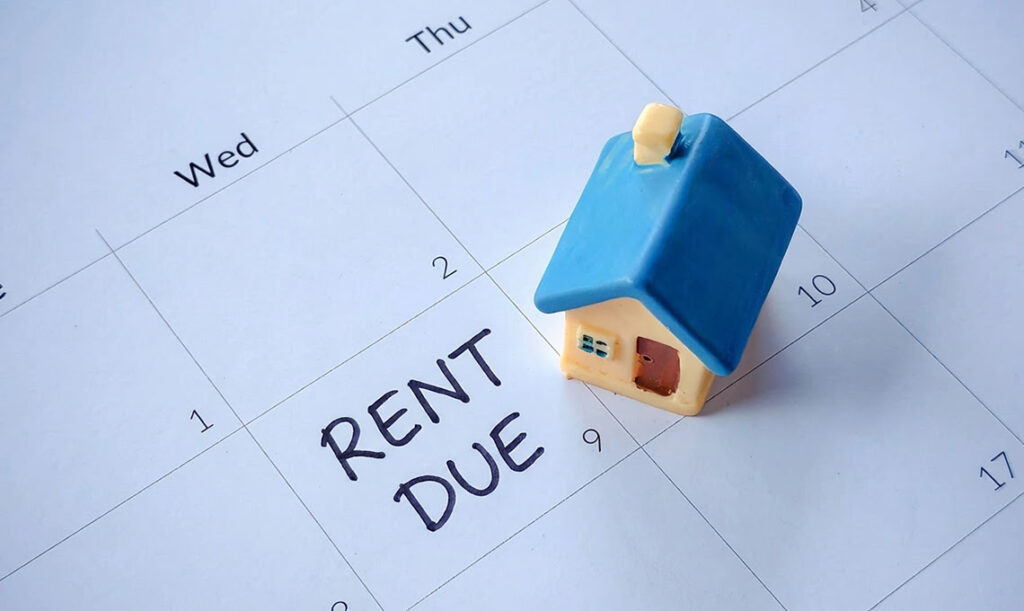
California has limits on when landlords can charge late fees, and the timing matters quite a bit for tenants. Landlords can’t slap a late fee on your account the same day that rent is due. The law actually calls for a waiting period. In most situations, landlords have to wait at least 3 days after the due date passes before they can add any late charges to what you owe.
This waiting period (some leases call it a grace period) accounts for the difference between when rent is technically due and when it can be marked as late. A lease agreement might list the first of the month as the official due date for rent. But on the second of the month, the rent still isn’t late. Tenants have a few extra days to get the payment in before any late fees or penalties can hit their account.
A few California cities have actually added their own restrictions on top of what the state mandates, and they extend the mandatory waiting period even more compared to what I mentioned above. The city or county where your rental property sits could have a law that says you’ll have to wait 5 days or longer before adding a late fee. Every municipality has the power to make stricter mandates compared to what the state establishes, so it makes sense to take a few minutes and verify what applies to your particular location. AB 1482 and local rent control rules in San Diego are a good starting point for understanding how city-level regulations can differ from state law.
A landlord can’t legally charge a late fee until after the grace period has ended. If a tenant gets charged before that grace period is officially up, they have every right to dispute the charge and get their money back. They’ll usually win that dispute too. The reason these timing mandates are in place is to protect tenants from landlords who might try to hit them with unfair or premature charges.
Grace periods are mandatory in most areas and mean landlords are legally obligated to honor them with every rent payment. Lease agreements need to spell out when the rent is due each month and at what point late fees will kick in. This way, everyone involved knows what to expect for payment deadlines and what the consequences are if the rent arrives late. Keeping communication clear around these terms is one of the best strategies for maintaining a positive landlord-tenant relationship.
Local Laws That Override State Rules
California has statewide standards for late fees, and most landlords start there when they’re figuring out what they can charge. The state-level standards give you a baseline to work from, though they don’t tell you everything. Plenty of cities and municipalities across California have added their own restrictions on top of what the state mandates. Local ordinances can be quite a bit more restrictive than the statewide laws, and it’s why it pays to research what applies in your area. The local laws might impose stricter limits than the state law alone suggests.
San Francisco has a simple system with a flat $25 cap on late fees, and landlords can’t charge a penny more than that. It doesn’t matter if you’re renting out a $5,000/month luxury apartment or something more modest - the maximum late fee stays at $25. Los Angeles works a bit differently because of rent control. Rent-controlled properties have their own late fee caps, and the amount you can charge doesn’t increase just because the monthly rent is higher. LA designed these caps with rent-controlled tenants in mind and added an extra layer of protection for them.
Berkeley and Oakland have their own sets of policies for late fees, and they’re worth paying attention to if you own a rental property in either city. These places have put tenant protection laws in place that limit what landlords can charge for late payments. A few other cities throughout California have passed similar local laws that affect whether you can charge late fees at all and how much you’re allowed to take from your tenants.

When the state law sets one standard, and your city ordinance sets another, it can get confusing about which one actually applies. The way it works is that you always have to go with whichever version is more favorable to the tenants. In most situations, local laws are usually stricter and give more protections or lower caps on fees. When that happens, the city policies are what you’ll have to follow, even if the state law is more lenient.
Landlords with rental properties spread across different California cities need to be extra careful with this. The maximum late fee amount can change from one city to another, and the policies for when to charge these fees aren’t always the same either. You’ll have to look up the state laws and the local standards to set a late fee structure for your properties.
Simple Mistakes That End Your Late Fees
California has some strict laws on late fees, and landlords lose their right to get them at all if they make some mistakes with how they take care of them. Per-day late fees are one of the biggest problem areas for landlords because the total amount gets to some unreasonable levels in just a matter of days.
Lease agreements can create big problems for landlords who don’t write out their late fee amounts and terms with enough detail. Courts have ruled in favor of tenants at times when the landlord never put these fees in writing, the way they should. Your lease needs to list the exact dollar amount or percentage you’re going to charge, and you’ll have to include it in there before you ever try to get a single penny.

Late fees have to be enforced the same way for all tenants, or you’re going to create a bit of a headache for yourself. Waiving the fee for one person but then charging it to another tenant opens the door to discrimination claims. Inconsistent enforcement makes it much harder to defend those fees if a tenant ever decides to challenge them in court.
Judges will side with tenants when the late fees seem more like a profit center than compensation for costs you’ve had to deal with. Landlords have lost cases over this because they charged fees that were way too high compared to the administrative work or the financial hit of a late payment. Courts expect your fees to line up with what you actually had to deal with - they’re not going to let you use late fees as an opportunity to get extra money from your tenants. Understanding fair housing compliance in San Diego can help you avoid costly mistakes when enforcing any lease terms, including late fees.
How to Handle Late Fees the Right Way
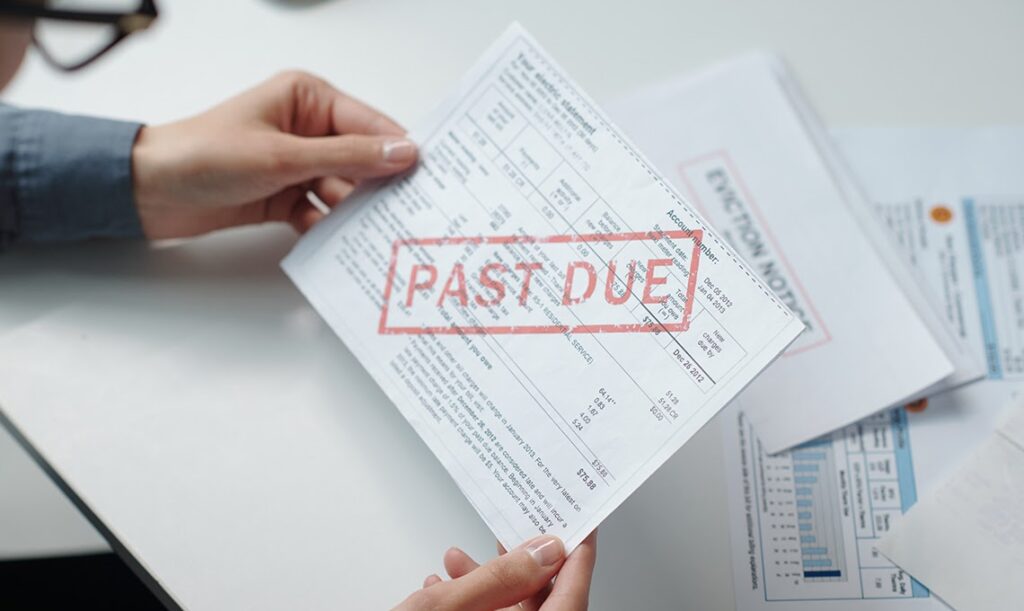
Late fees can be a bit tough to get right, and the main point to remember is that timing matters. Most lease agreements include a grace period that gives your tenants a few extra days to get their payment in, and you legally need to let that entire period run out before you charge any late fee. After that grace period has expired, you’ll need to send your tenant a written letter that documents the late payment and tells them about the late fee that’s been added to their balance.
Your late fee amount has to match what’s actually written in the lease agreement, and it doesn’t matter if you’re frustrated with a tenant or if they’ve been late with payments multiple times - you can’t increase the fee because you want to. The lease is the lease, and you signed it, which means you’re locked into whatever fee amount is written in there.
A lot of landlords will waive the late fee when a tenant misses their first payment deadline, and it can be a smart idea if you want to keep up a solid relationship with a tenant who may still be figuring out their payment schedule. Just remember that you don’t have to waive the fee - it’s your call.
The way you write your lease is going to make the difference here. You want to include an exact due date for rent and state the number of days of a grace period your tenant gets before any penalties kick in. Write out the late fee amount in exact numbers - it can be a flat dollar amount or a percentage of the rent - whichever one fits your property better. Taking the time to be detailed and direct in your lease agreement leaves very little wiggle room for uncertainty or arguments later on when it’s time to actually charge those fees.
Late fees need to work the same way for every tenant that you have - no exceptions and no different treatment. Applying your late fee policy equally across the board protects you from any claims that you’re discriminating or treating tenants differently based on who they are. And if you ever need to waive a late fee for a tenant, you’ll have to have a solid business reason for doing it. Whatever your reason is, it can’t be about their race, age, gender or any other personal trait. Working with a property manager can help reduce your legal risk when navigating these situations.
Maximize Your San Diego Rental Property
Late fee policies serve two jobs for California landlords. First, they need to make sense for your business and actually motivate tenants to pay rent on time. Second, they have to stay within the boundaries of California law, and there are quite a few limits around how these fees can work. The state sets limits on what qualifies as a fair late fee, how grace periods should be structured and if your local area has any extra restrictions in place. These laws are there to give landlords a legitimate way to enforce on-time rent payments and also to prevent fees that could have been excessive or too harsh on tenants.
Plenty of landlords learn about these the hard way - usually right in the middle of a tenant dispute when they find out their late fees aren’t going to hold up in court. Take even just a couple of hours to review your lease agreements, double-check what your local ordinances actually say and make sure your fees are in a fair range. When your policies are fair and written out in plain English, your tenant relationships usually improve quite a bit - it builds trust and shows them that you’re committed to operating by the book. Payment disputes and legal battles just eat up time you could be spending on actually running your rental property. If you ever do need to move quickly on a non-paying tenant, it helps to know the legal ways to speed up the San Diego eviction process.

At Palm Tree Properties, our team takes care of these details for property owners every day and frees them up so they can work on the bigger parts of their investment. Late fee policies are just one small part of solid property management. The bigger goal is always so you can get the most out of your rental property, month after month. Own a rental in San Diego and not quite sure you’re seeing the returns you should be? We’d love to talk with you about it.
Request your free rental property evaluation, and we’ll show you just where your property stands and what we can do to improve those numbers. We also have plenty of other resources available for learning more about property management best practices. Every property that we manage gets the same level of attention and care, because these small details do add up and matter for your bottom line.
FAQs
What is California's maximum late fee for tenants?
California has no fixed dollar cap on late fees. Courts apply a "reasonableness" standard, and fees between 5% and 10% of monthly rent are generally considered fair and legally defensible.
How long must landlords wait before charging late fees?
California landlords must wait at least 3 days after the rent due date before charging late fees. Some cities require longer grace periods, so always check local ordinances for your specific area.
Does San Francisco have its own late fee cap?
Yes. San Francisco caps late fees at a flat $25, regardless of the monthly rent amount. This local ordinance overrides California's general reasonableness standard for properties in that city.
Can landlords charge different late fees to different tenants?
No. Late fees must be enforced consistently for all tenants. Inconsistent enforcement can lead to discrimination claims and makes it harder to defend fees in court.
What lease mistakes cause landlords to lose late fee rights?
Failing to specify the exact late fee amount in the lease, charging per-day fees that escalate unreasonably, or enforcing fees before the grace period ends can all cause courts to rule against landlords.