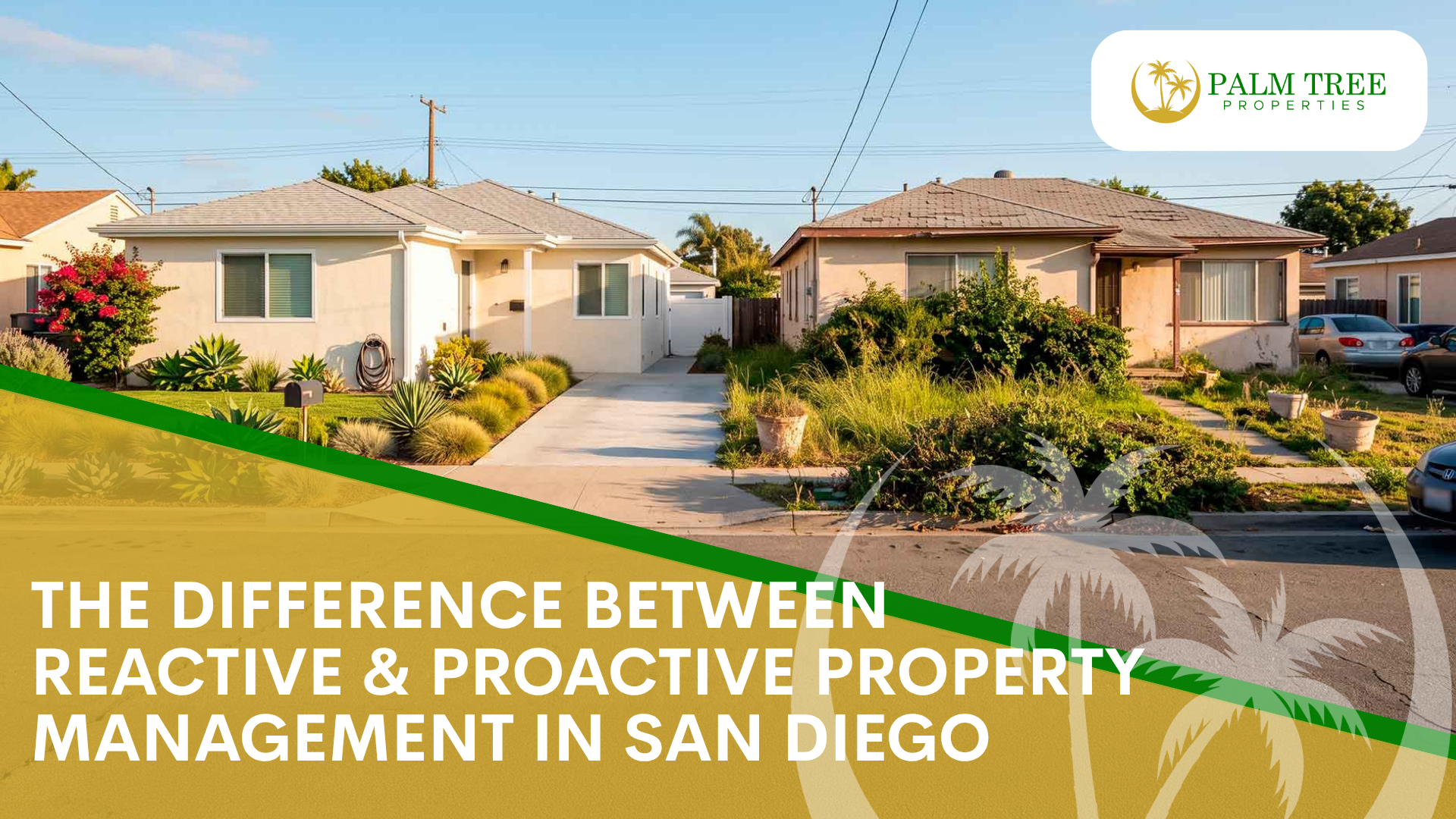
Reactive management is scrambling. Proactive management is a plan. One style treats the property as a liability that needs constant fixing. The other treats it as an operating asset that requires maintenance, documentation, and pricing discipline.
At Palm Tree Properties we operate on a proactive model. In a market where property values are high and where the City of San Diego enforces its own tenant protection ordinance on top of state law, waiting for a problem to surface is an expensive default. This guide breaks down the financial and operational differences between the two styles, and why professional property management in San Diego is built around prevention rather than response.
Is Your Property Being Managed or Just Monitored?
Find out where your current management is leaking cash with a proactive review of your San Diego rental.
Schedule a Free ConsultationWhat Reactive and Proactive Management Actually Look Like
The difference is not effort. Reactive managers often work harder than proactive ones. The difference is sequence.
Event-Driven
Work begins when a tenant reports a problem, when rent is missing, or when a notice arrives. Vendor selection happens under time pressure. Documentation is assembled after the fact, usually when it is needed for a dispute.
Calendar-Driven
Inspections, service intervals, renewal conversations, and compliance reviews are scheduled before anything fails. Vendors are pre-qualified and priced. Documentation is created continuously, so the file already exists when it is needed.

The practical result shows up in three places: what maintenance costs, how exposed you are to a compliance error, and how many days per year your unit sits empty.
The Financial Case: Why Reactive Work Costs More
Owners often mistake a month with no repair invoices for a month of savings. Over a five-year hold, the arithmetic runs the other way.
The Cost of Buying Repairs Under Pressure
Scheduled work is bid. Emergency work is dispatched. The same scope of work carries a meaningful premium when it has to happen on a Friday night, when parts have to be shipped overnight, and when you have no leverage over the vendor because the tenant is already without hot water. That premium is the practical cost of reactive management, and it recurs on every unplanned failure rather than once.
Failures Arrive in Sequence
Building systems rarely fail alone. A supply line that drips for a season does not stay a plumbing problem. It reaches the cabinet base, then the subfloor, then the framing. The first repair was small and schedulable. The second is a capital event with a habitability question attached to it.
The Vacancy Cost of Being Slow
Turnover is where reactive management is most visible on an owner’s statement. A manager who takes three weeks to make a unit ready after a move-out is not simply slow. Every vacant day costs roughly one-thirtieth of a month’s rent, plus the carrying costs that do not pause for vacancy. At San Diego rent levels, an avoidable multi-week make-ready is a meaningful cash-flow event, and it is entirely a function of whether the work was scheduled before the tenant left or ordered after.
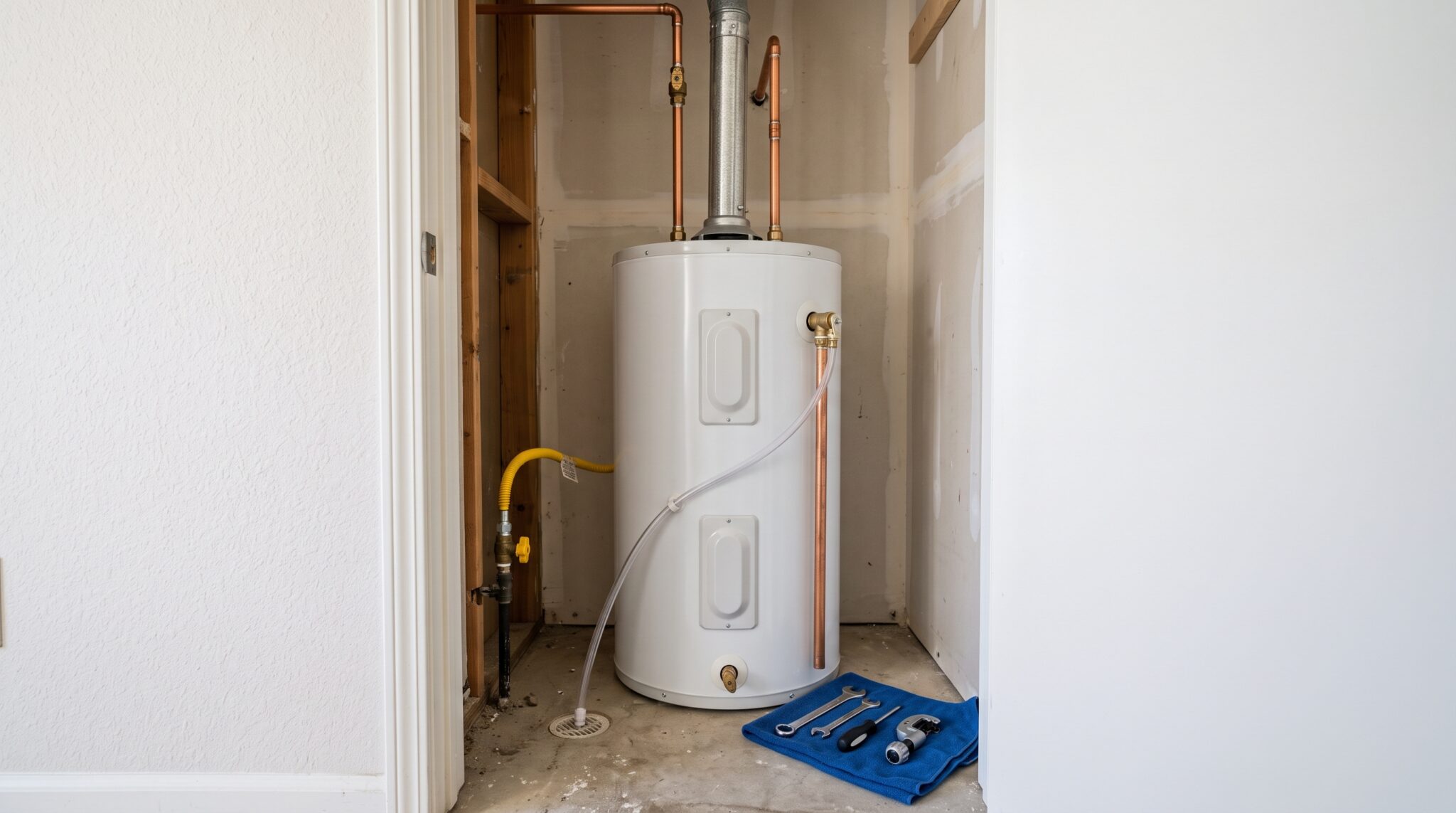
This is why our approach to preventative maintenance for San Diego rentals treats small recurring service items as the cheapest line in the operating budget rather than the most annoying one. The specific dollar figures depend on your property, its age, and your vendor pricing. The direction is consistent.
San Diego Compliance: Where Reactive Management Gets Expensive
San Diego owners operate under state law and a municipal ordinance at the same time. Reactive management tends to discover this stack after a notice has already been served incorrectly.
California’s Tenant Protection Act limits annual rent increases to the lower of 10 percent or 5 percent plus the change in the regional cost of living, and it restricts terminations to enumerated causes for most tenants. The California Attorney General’s landlord-tenant guidance states the cap as “10% total or 5% plus the percentage change in the cost of living, whichever is lower.”
Two operational points matter here. First, the allowable percentage is recalculated annually and changes mid-year, so a figure that was correct last season may be wrong for the notice you are serving this month. Verify the current published percentage for the San Diego region before issuing any increase. Second, single-family homes and condominiums held by non-corporate owners can qualify for an exemption from the statutory cap, but the exemption depends on providing the tenant the required written notice. Reactive managers frequently miss that notice at renewal, and the property stays subject to the cap and just cause rules as a result.
The city ordinance layers additional obligations on top of state law. Under the San Diego Residential Tenant Protections Ordinance, “a landlord shall not terminate a tenancy without just cause,” and no-fault terminations carry a relocation payment. The ordinance requires a direct payment “equal to two months of actual rent under the tenant’s lease in effect at the date of the notice,” rising to “three months of actual rent” where the tenant is a senior or disabled as the ordinance defines those terms. Owner occupancy, withdrawal from the rental market, and substantial remodel or demolition all fall on the no-fault side of that line.
That is a planned expense if you know a transition is coming twelve months out. It is a cash-flow shock if you learn about it during the notice period.
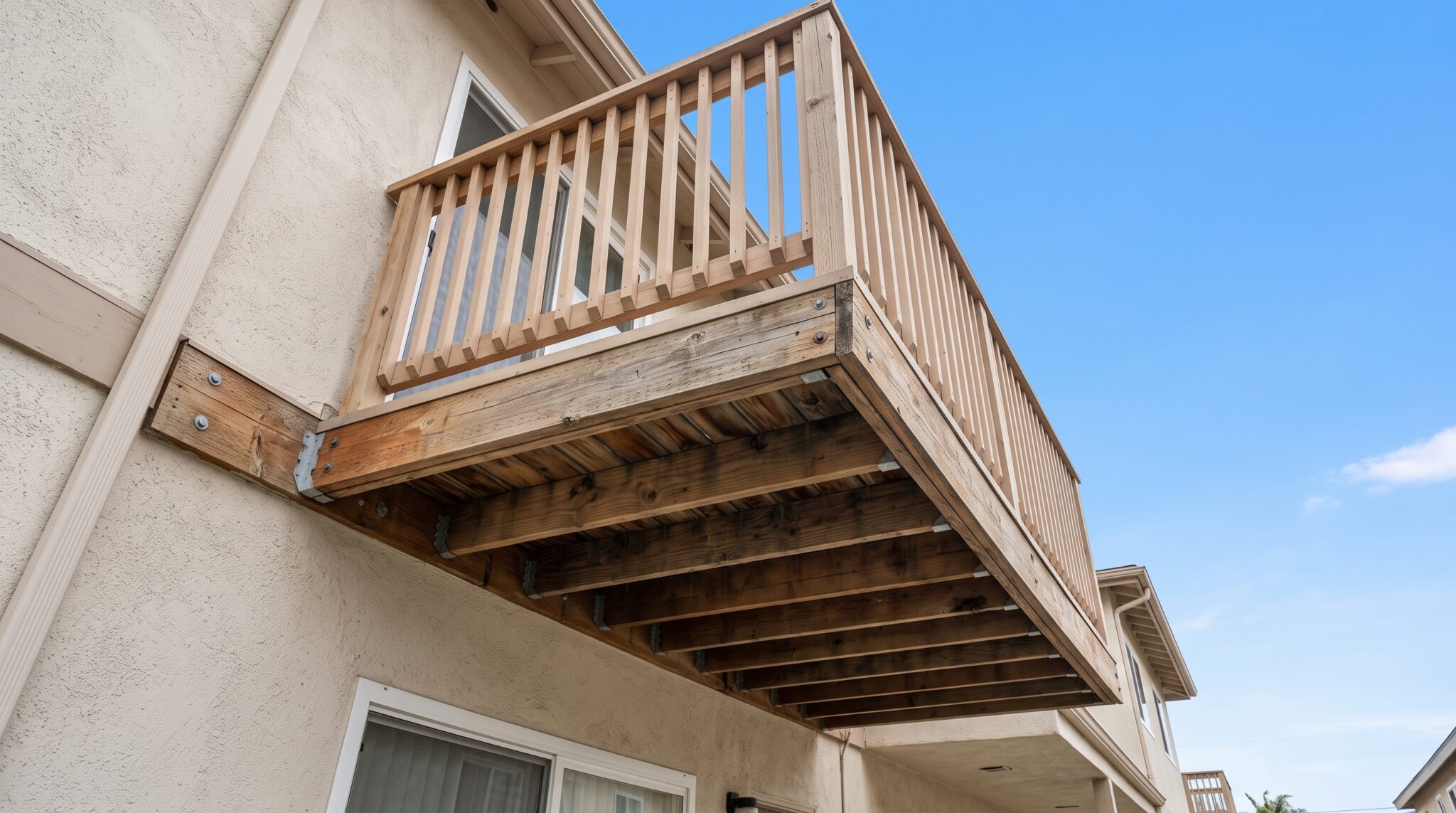
AB 628 added stove and refrigerator requirements to California’s habitability standard. According to the Senate Judiciary Committee analysis of AB 628, a landlord must provide a “stove that is maintained in good working order and capable of safely generating heat for cooking purposes” and a “refrigerator that is maintained in good working order and capable of safely storing food.”
The scope is narrower than it is often described. The requirement applies to “leases entered into, amended, or extended on or after January 1, 2026.” The analysis also records exemptions for permanent supportive housing, single-room occupancy units, residential hotel units, and units in facilities with shared or communal kitchens, and it allows a landlord and tenant to agree at signing that the tenant will supply their own refrigerator. Recalled appliances must be repaired or replaced within 30 days of notice. Confirm how the requirement attaches to each of your leases rather than assuming it applies uniformly across a portfolio.
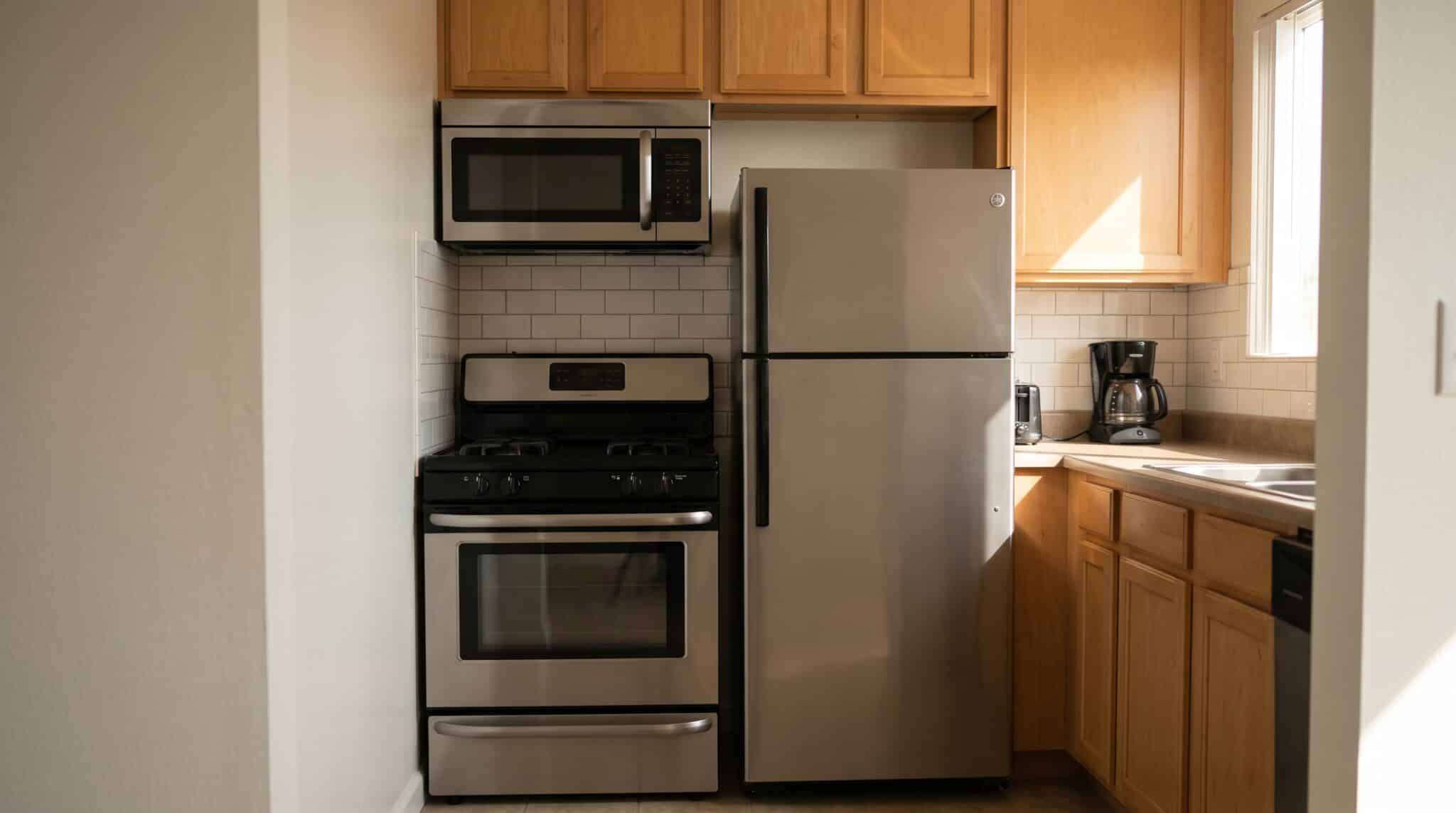
SB 721 requires inspection of weather-exposed, wood-framed exterior elevated elements more than six feet above ground in buildings with three or more dwelling units. Single-family rentals are outside its scope. The deadline for the first inspection was extended by later legislation. The California Building Standards Commission’s legislative bulletin on the 2024 session records that AB 2579 “extends the deadline for initial inspections of exterior elevated elements and associated waterproofing elements for buildings with 3 or more dwelling units until January 1, 2026,” with reinspection on a six-year cycle.
Where repairs identified in an inspection are not completed, the inspector notifies the local enforcement agency, and local enforcement can carry civil penalties and a lien against the property. Confirm current penalty amounts with your local jurisdiction before relying on any specific figure.
If you want a fuller picture of where compliance exposure concentrates, our guide to reducing legal risk for San Diego landlords covers the same terrain from the documentation side.
Eviction Mechanics: The Speed of Possession
Reactive landlords often discover too late that a San Diego eviction is not a thirty-day process.
The Response Window Doubled
California doubled the time a tenant has to respond to an unlawful detainer summons, from five days to ten, effective January 1, 2025. The California Courts self-help materials now instruct tenants that they must file response papers within ten days. That change alone moved the realistic timeline for a contested case.
Defective Notices Reset the Clock
The larger risk is procedural. A three-day notice that demands the wrong amount, for example by folding late fees into the rent demand, can be fatal to the case. When the notice fails, the process restarts, and the owner absorbs both the additional vacancy and the additional legal cost. Proactive managers treat notice preparation as a compliance task with a checklist, not a form filled out in frustration.
Mini Case Scenarios: The Return on Being Early
The following are composite illustrations, not client files.
When a Noise Becomes a Habitability Question
A landlord receives a tenant report that the refrigerator is running loudly and defers it for three weeks. The unit fails on a Friday evening. Where AB 628 applies to that lease, the failure is now a habitability question rather than a convenience question. The owner absorbs an after-hours replacement at emergency pricing, a claim for spoiled food, and a rent adjustment for the period the unit was out of compliance. None of those costs existed when the problem was a noise.
The Vacancy That Never Happened
A manager opens the renewal conversation 90 days before expiration, runs a comparable-rent analysis, and proposes an increase well inside the statutory cap. The tenant, in a unit that has been maintained on schedule, signs for another twelve months. The owner captures the increase and avoids the make-ready cost, the marketing cost, and the vacant days entirely. The gain is not the increase. The gain is the vacancy that never happened.
Turn Reactive Costs Into a Predictable Operating Plan
We onboard a limited number of new San Diego properties each quarter to keep our proactive standards intact.
Schedule a Free ConsultationThe Proactive Management System
Our system is built on the premise that chaos is expensive. We remove chaos in three layers.
1
First 90 Days Stabilization
When we take over an asset we perform a maintenance reset. We certify the HVAC, flush the water heater, and verify every safety alarm. Putting the home in peak condition on day one eliminates the early-tenancy repair requests that damage tenant trust and drive non-renewals a year later.
2
The Semi-Annual Audit
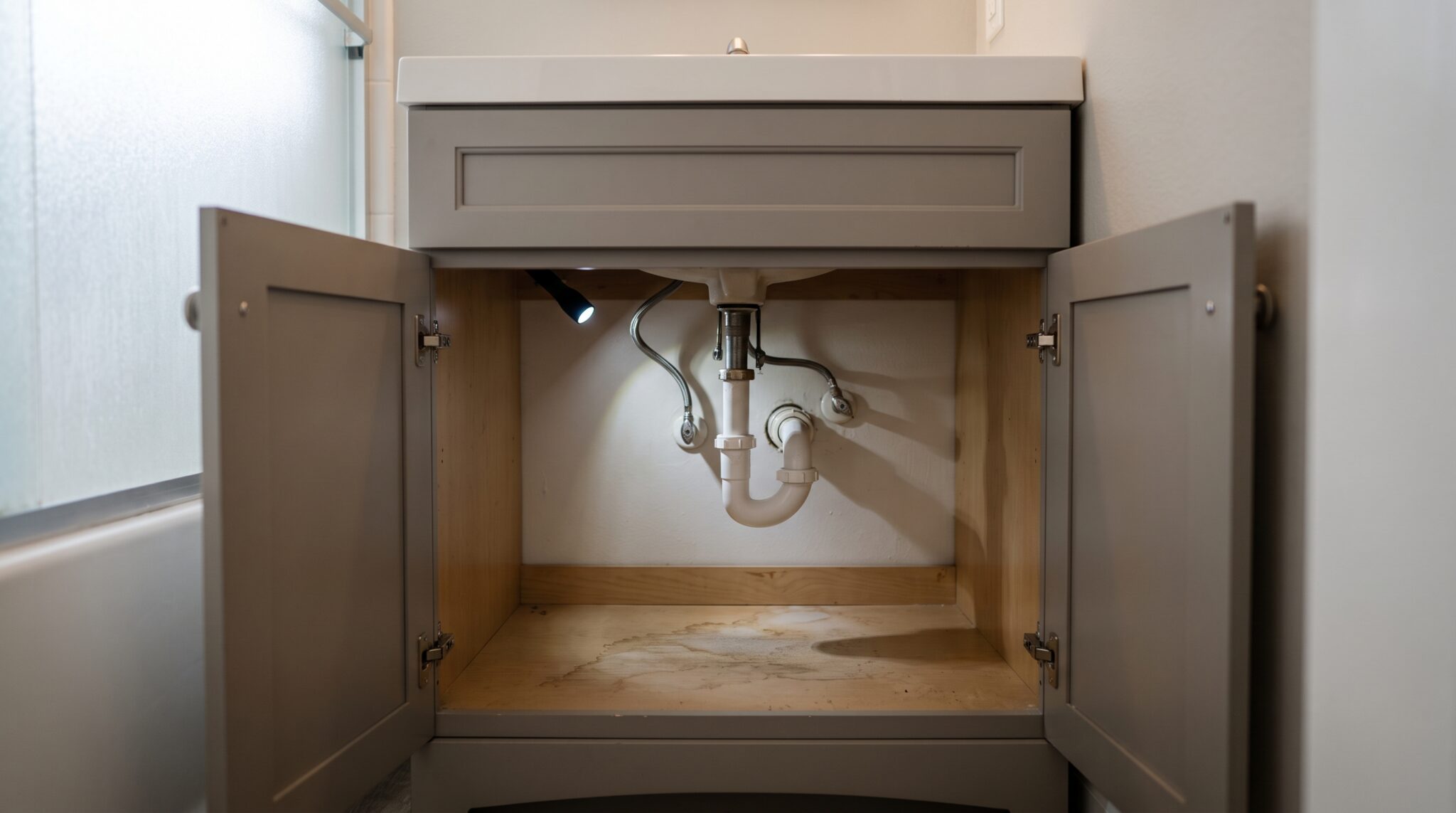
We perform documented, photo-rich inspections twice a year. We are not only looking for lease violations. We are looking for the quiet failures: under-sink moisture, structural safety on railings, stairs, and balconies, and water pressure that leads to slab leaks in older Clairemont and University City homes.
3
The 90-Day Renewal Strategy
We do not wait for a tenant to give notice. We open the renewal conversation 90 days before expiration. The goal is binary: either the lease is renewed, or the unit is fully marketing-ready before the tenant hands back the keys.
Layer 2 in Detail: The Semi-Annual Audit
We perform documented, photo-rich inspections twice a year. We are not only looking for lease violations. We are looking for the quiet failures:
Catching a drip before it reaches the cabinet base.
Checking railings, stairs, and balconies, including SB 721 elements where the building is covered.
Identifying high pressure that leads to slab leaks in older Clairemont and University City homes.
25-Point Proactive Management Audit Checklist
Use this checklist to find where your current management is leaking cash. More than five items marked “no” indicates a reactive operation.
- HVAC certificationSystem serviced annually before the May heat, essential for inland Poway and Ramona.
- Water heater flushTank cleared of San Diego hard-water sediment annually.
- Roof and gutter auditGutters cleared every October before the rainy season.
- Tenant check-insSatisfaction survey sent at the six-month mark.
- Rent reviewRent analyzed against comparables 90 days before every expiration.
- Safety alarmsSmoke and CO detectors tested and date-verified annually.
- Sewer lateral scanFor homes 40 years or older in North Park and Clairemont, line scoped every three years.
- Appliance lifespan trackingDocumented ages of all appliances to forecast capital expenditure.
- AB 628 compliancePeriodic verification that the stove and refrigerator are in good working order where the requirement attaches to the lease.
- SB 721 certificationDocumented inspection on file for covered multi-unit buildings.
- Landscaping and irrigationTimers adjusted for seasonal water restrictions.
- Termite inspectionsProperty inspected for frass or discarded wings annually.
- Plumbing pressure testWater pressure verified to reduce pinhole leak risk.
- GFCI safety checkAll outlets in wet areas tested during inspections.
- Vendor insurance auditContractors verified for active CSLB licensing and workers’ compensation coverage.
- Documentation logEvery tenant interaction recorded in a system of record.
- Security deposit preparationMove-in photography detailed enough to carry a later dispute.
- Energy auditLED conversion and basic efficiency measures to lower utility load.
- HOA relationshipProactive communication with the board to prevent owner fines.
- Emergency shutoff trainingTenant shown the location of main water and gas valves.
- Lease addendum updatesAnnual review against current state and City of San Diego requirements.
- Railing safetyManual shake test on all exterior railings each quarter.
- Dryer vent cleaningAnnual lint removal to reduce fire risk.
- Window seal inspectionChecking for fogging or moisture intrusion.
- Fair housing trainingAnnual verification that management staff training is current.
How Many of the 25 Points Is Your Management Actually Hitting?
Ask for a review of your maintenance-to-rent ratio and a twelve-month maintenance forecast.
Schedule a Free ConsultationSubmarket Insights: Proactive Management by Geography
San Diego’s geography rewards a tailored schedule rather than a generic one.
Pacific Beach & La Jolla
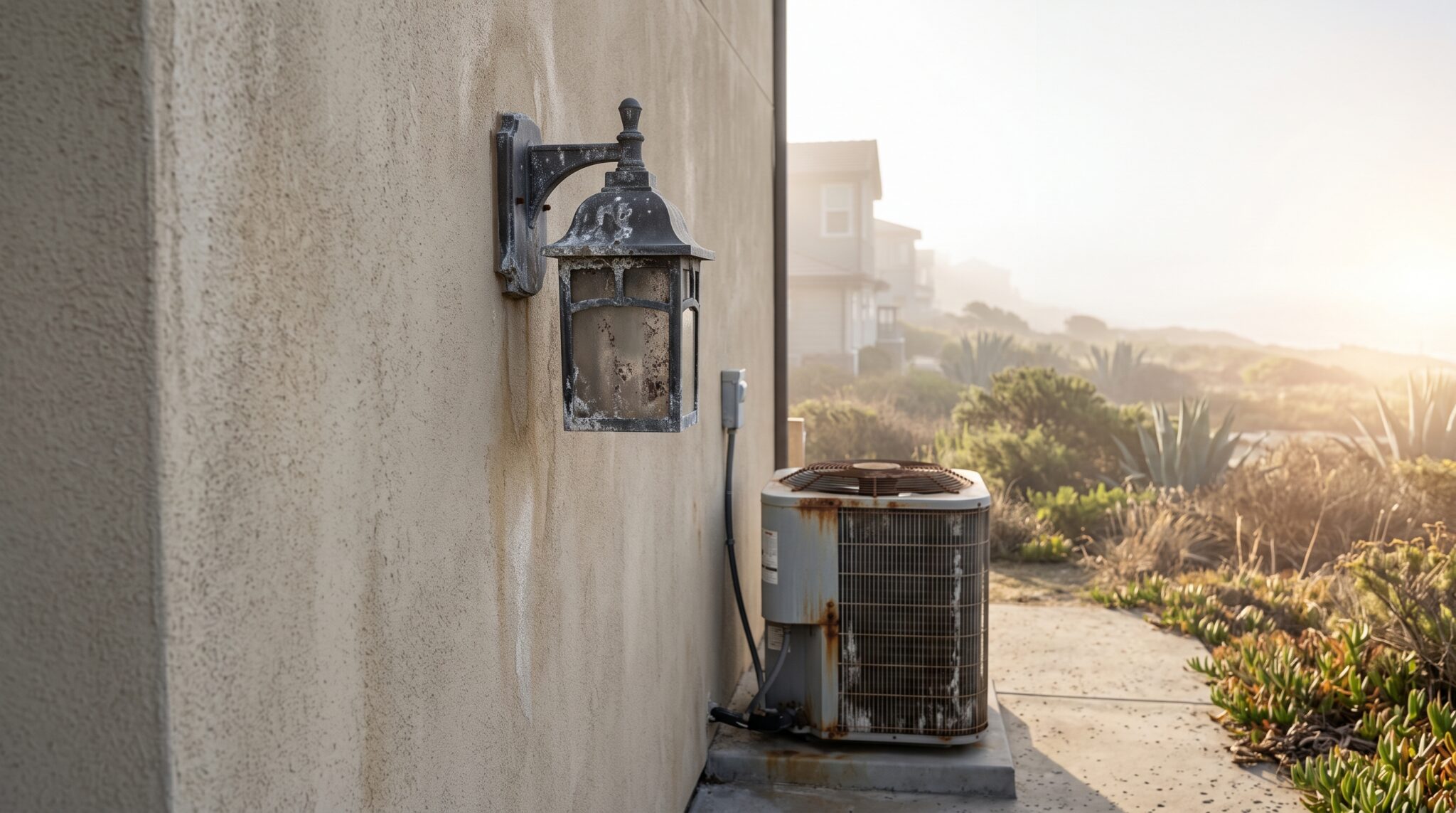
Rinse exterior light fixtures and condenser coils every six months to slow salt-air corrosion. Reactive owners replace exterior metal far more often than they need to.
Mira Mesa & Scripps Ranch
Change HVAC filters every 90 days to reduce blower motor strain during extended heat and Santa Ana conditions.
North Park & Mission Valley
Monitor noise-ordinance exposure and educate tenants early to avoid city citations and neighbor complaints that escalate into lease problems.
Frequently Asked Questions
What is the difference between preventative and predictive maintenance?
Is proactive property management more expensive?
How often should rental property inspections occur in California?
Does proactive management reduce vacancy?
What is the maintenance inflation cost of waiting?
How does proactive management help with the San Diego tenant protection ordinance?
What is the return on a small preventative service?
Who pays for tenant relocation during an emergency?
Can I be proactive as a self-managed landlord?
Does insurance cover deferred maintenance?
Next Steps: Move to an Operator Model
Every month of reactive management adds to deferred maintenance exposure and to compliance risk. A San Diego rental is a substantial asset, and it responds to being run on a schedule.
If you want a concrete starting point, ask for a review of your maintenance-to-rent ratio, a twelve-month maintenance forecast, and a compliance review of your current lease and disclosures against the state and City of San Diego requirements that apply to your property. We onboard a limited number of new properties each quarter to keep our proactive standards intact.
Run Your San Diego Rental Like an Operating Asset
Move from reactive scrambling to a proactive plan built around prevention, documentation, and pricing discipline.
Schedule a Free Consultation