The difference between a crisis and a protocol determines your Net Operating Income (NOI), your legal liability, and your tenant retention. In 2026, California’s regulatory environment became more demanding. New habitability requirements under AB 628 and expanded landlord duties after disasters under SB 610 mean that passive management of emergencies now carries real legal and financial risk.
At Palm Tree Properties, we act as the operational firewall between our owners and the chaos of after-hours emergencies. We do not just react. We triage, mitigate, and document with the precision required to protect your asset and your peace of mind. That discipline is the foundation of our full-service property management in San Diego.
Is Your Rental Ready for the Next 2:00 AM Call?
We build the systems that turn emergencies into protocols. Let’s review your current after-hours readiness before the next crisis hits.
Schedule a Free ConsultationThe Financial Impact of Delayed Emergency Response
Many self-managed owners underestimate the compounding interest of a maintenance delay. In San Diego, the cost of a slow response is measurable in thousands of dollars of equity erosion.
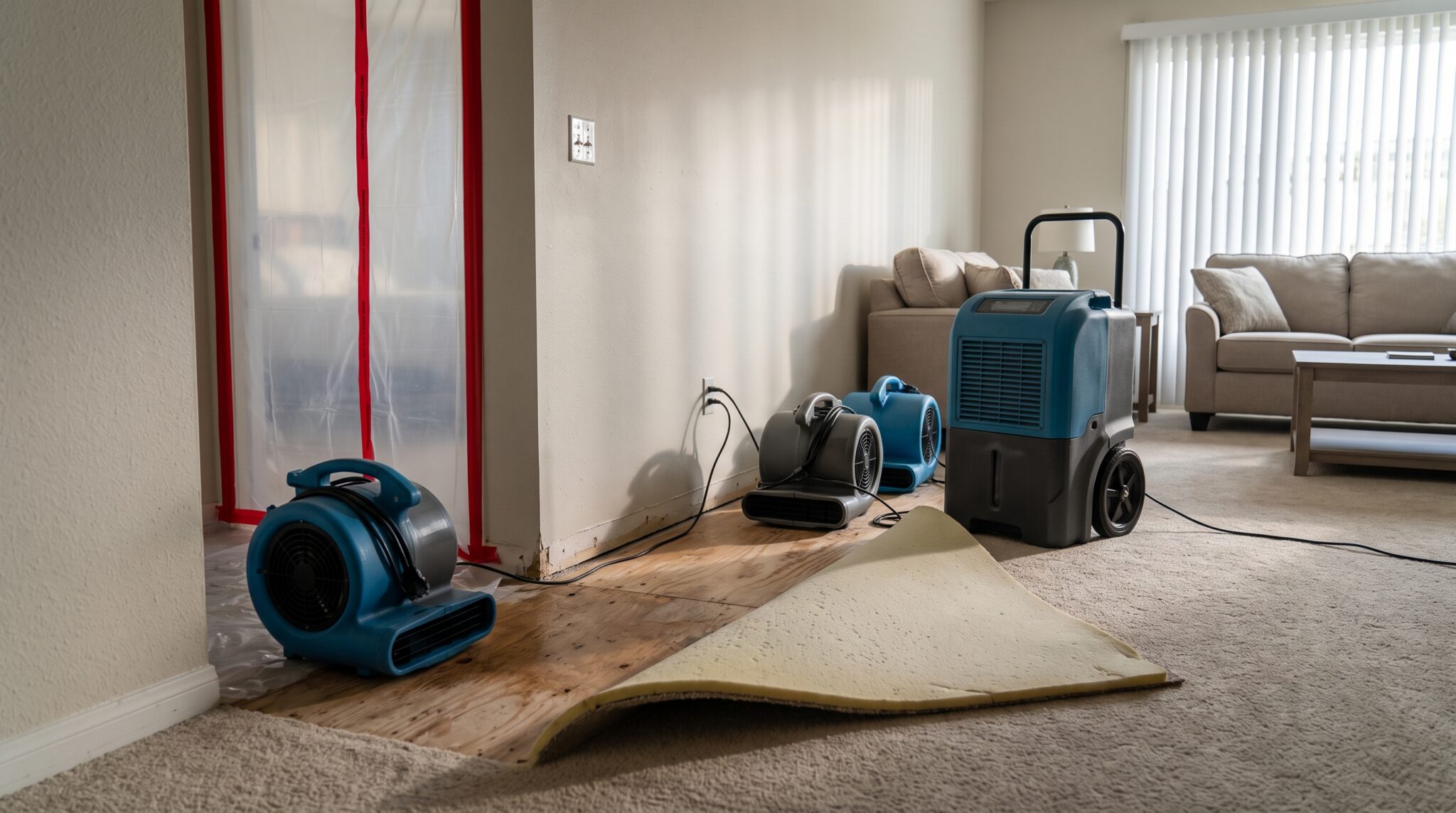
Water Damage MathCurrent market figures put the average insurance payout for a California water damage claim in roughly the $11,000 to $14,000 range. The cost of mitigation, meaning stopping the leak and drying the area, is far lower, typically in the $1,400 to $6,400 range when handled within the first four hours. The penalty of delay: if a leak in a North Park condo sits for 24 hours, Class 1 clean water often escalates to Class 3 or Class 4 contamination. That can turn a modest dry-out into a five-figure remediation project and force tenant relocation.
The Cost of Emergency LaborIn San Diego, after-hours plumbing work commonly runs $150 to $350 per hour, often with a flat call-out fee in the $75 to $160 range. The operator edge: professional managers use pre-vetted vendors with service level agreements. A DIY landlord pays retail emergency rates to whoever answers the phone at midnight. Our owners get pre-negotiated volume pricing and priority dispatch.
Legal and Eviction ExposureIf a tenant’s habitability is compromised and the landlord fails to act within a reasonable time after notice, California law allows the tenant to use the repair-and-deduct remedy under Civil Code 1942. The California Department of Real Estate’s landlord and tenant reference chapter explains the mechanics: a tenant may spend up to one month’s rent on the repair and deduct it, and may use the remedy no more than twice in any twelve-month period. The eviction gap: serving a nonpayment notice while an emergency habitability repair is still outstanding invites a habitability defense, and courts frequently side with the tenant. Between legal fees, statutory exposure under Civil Code 1942.4 when a cited condition goes unrepaired, and lost rent, one botched emergency response can easily reach five figures.
The First Hour Protocol: A Six-Step Tactical Breakdown
When an emergency occurs, the first sixty minutes are the only minutes that matter. At Palm Tree Properties, we follow a disciplined sequence designed to minimize property damage and tenant panic. Speed here is not customer service theater. As we explain in our breakdown of why property management response time matters, it is the operational metric that most directly protects owner returns.
15-Minute Callback and Timestamped IntakeEvery emergency call to our 24/7 hotline is recorded and timestamped. We hold a 15-minute callback benchmark for all emergency tags. This creates a documented record proving the response was diligent, which is the practical defense against repair-and-deduct and habitability claims.
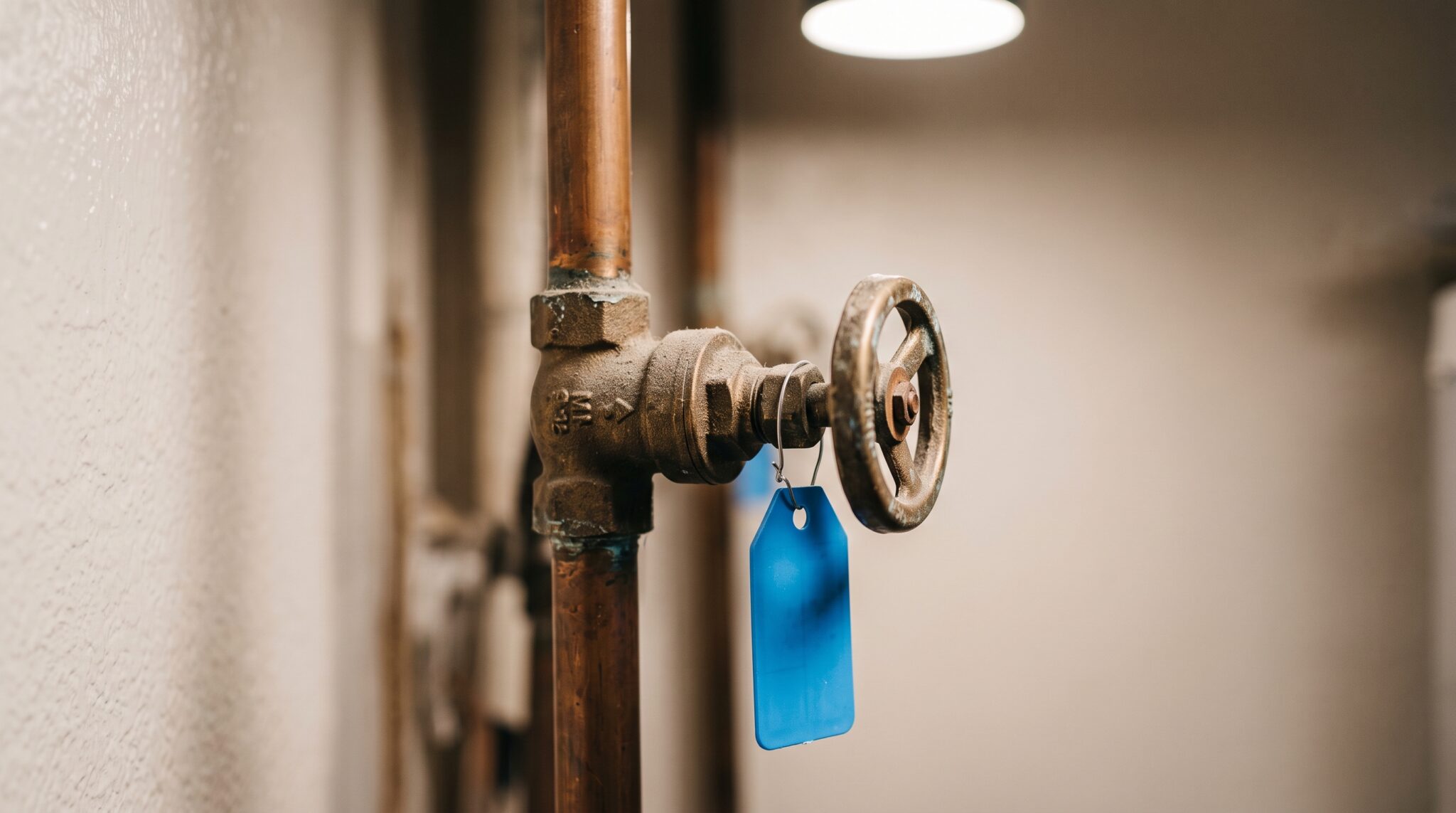
Immediate Resident MitigationBefore a vendor is dispatched, we instruct the tenant on how to stop the damage. Example: “Go to the valve under the sink and turn it clockwise,” or “Turn off the main water valve on the north side of the house.” Result: the flooding stops in minutes, not hours.
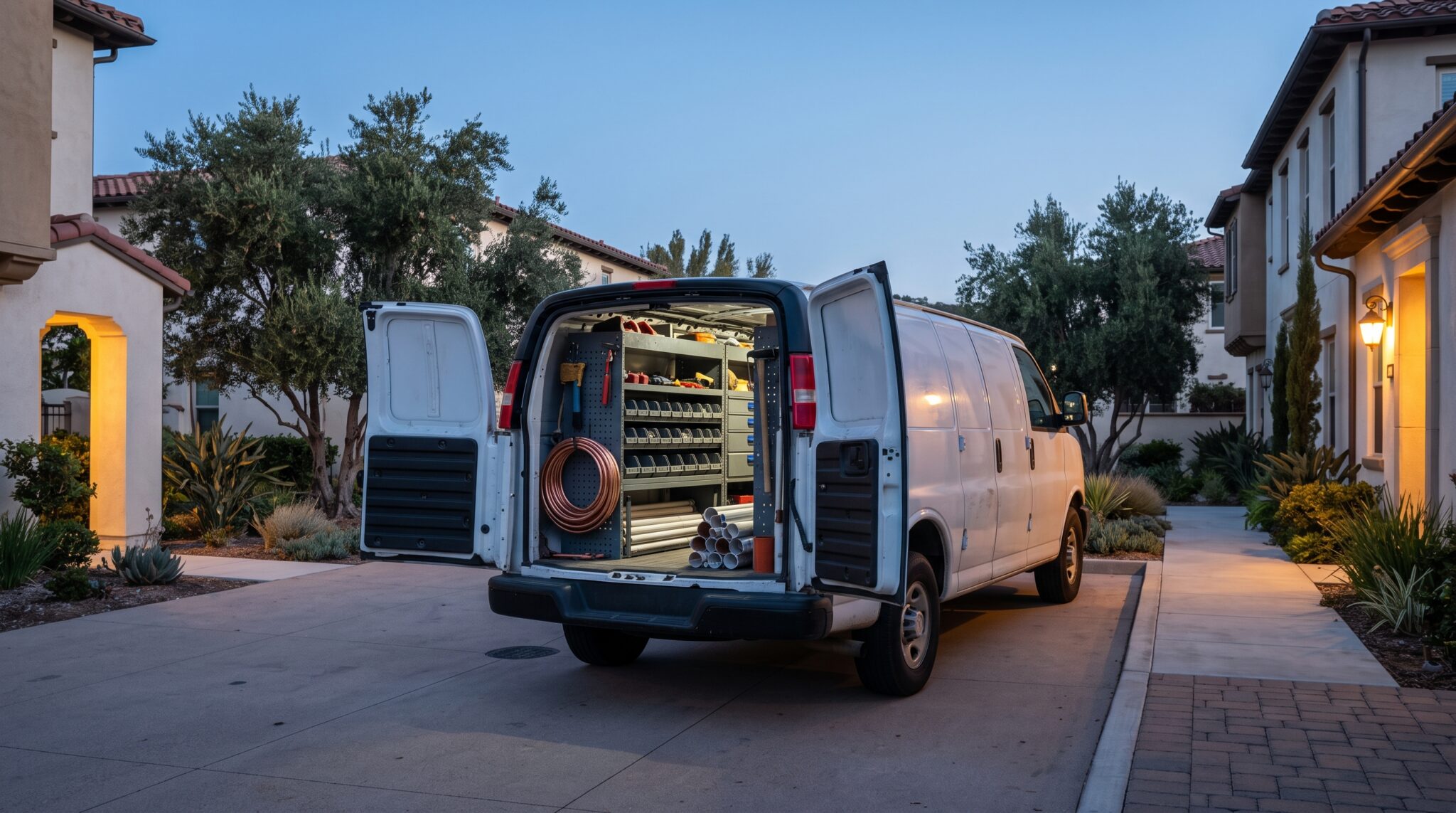
Tiered Vendor Dispatch, Two-Hour TargetWe do not call a general handyman for a gas leak. We use a Tier 1 response list of licensed, bonded, and insured contractors with a two-hour on-site target. In areas like Mission Valley or La Jolla, where parking and building access are difficult, our vendors have pre-staged access codes.
Owner Triage NotificationTo protect your time, we do not call you at 3:00 AM for a $400 fix if you have set an approval threshold. We act first to protect the asset, then deliver a detailed report within 12 hours. If the repair exceeds your threshold, we follow your specific emergency contact protocol.
Insurance Pre-Alert and Subrogation ReviewIf damage is likely to exceed your deductible, we document the site with GPS-stamped photos before demolition begins. That gives your adjuster exactly what is needed to approve the claim. We also assess for tenant negligence to determine whether a subrogation claim against the tenant’s liability policy is warranted.
12-Hour Documentation UploadWithin 12 hours of the event, a full report goes to the Palm Tree Owner Portal. You see the work order, the photos, and the root-cause analysis.
The 2:14 AM Flood in Mission Valley
The property: a high-rise residential unit in Mission Valley.
The event: a failed refrigerator supply line caused a significant flood while the tenant was asleep.
The response:
2:14 AM. Tenant calls the Palm Tree 24/7 hotline. 2:20 AM. Operator walks the tenant through shutting off the water valve. Flood stopped. 3:15 AM. Emergency remediation vendor arrives to extract water and set industrial dehumidifiers. 9:00 AM. Full report uploaded to the Owner Portal. Owner notified of the $1,200 mitigation cost.
The result: because the water was extracted within 90 minutes, it stayed Class 1 clean water. Total cost was $1,200. Had the response been delayed by 12 hours, water would have seeped into the flooring of the unit below, triggering an estimated $18,000 multi-unit remediation and insurance claim.
Systemize Your Emergency Response
A documented 24/7 protocol is the difference between a $1,200 fix and an $18,000 claim. Let’s build yours.
Schedule a Free ConsultationDIY Landlord vs. Palm Tree Properties Infrastructure
Emergency performance comes down to eight capabilities. Here is how the two models compare.
| Capability | Self-Managing Owner | Palm Tree Properties |
|---|---|---|
| After-hours intake | A personal cell phone and missed calls | A dedicated 24/7 hotline, recorded and timestamped |
| First response | Ad hoc, often the next morning | A 15-minute callback benchmark |
| Tenant mitigation | Usually none | Scripted shutoff coaching on the intake call |
| Vendor access | Whoever answers, at retail emergency rates | Tier 1 licensed and insured vendors under service level agreements with pre-negotiated pricing |
| On-site target | Whenever the vendor can fit you in | A two-hour target for true emergencies |
| Owner disruption | Every call, at any hour | Approval thresholds and a full report within 12 hours |
| Insurance handling | Photos after cleanup, if any | GPS-stamped documentation before demolition, plus a subrogation review |
| Legal record | Text messages and memory | A timestamped audit trail and a written root-cause analysis |
2026 California Rules Every Owner Should Know
The compliance backdrop for emergency maintenance property management in San Diego shifted on January 1, 2026. Two bills matter most for after-hours operations.
AB 628 amended Civil Code 1941.1 to add cooking and food storage to California’s tenantability standards. A covered unit must have a stove maintained in good working order and capable of safely generating heat for cooking, and a refrigerator maintained in good working order and capable of safely storing food. Two details are easy to get wrong. First, per the Senate Judiciary Committee analysis of AB 628, the appliance requirements apply to a lease entered into, amended, or extended on or after January 1, 2026, so an untouched older lease is not automatically covered. Second, the analysis identifies exclusions, including permanent supportive housing, single-room occupancy units, residential hotel units, and dwellings with shared or communal kitchens, along with an option for a tenant to supply their own refrigerator under a mutual written agreement at lease signing. The bill also requires a landlord to repair or replace a stove or refrigerator subject to a manufacturer or public-entity recall within 30 days of receiving notice.
The practical reality: previously, a fridge failure on a Friday might wait until Monday. For a covered lease, it is now a habitability item. It is not always a four-hour emergency, but it earns a high-priority triage rather than a weekend delay.

SB 610 addresses what a landlord owes after a disaster. According to the Senate Judiciary Committee analysis of SB 610, a tenant’s obligation to pay rent is discharged for any period covered by a mandatory evacuation order tied to a disaster, and prepaid rent must be returned within 10 days or the tenant may deduct it from the next month’s rent. The bill also requires the landlord to remove disaster debris and repair damaged structural, mechanical, and aesthetic elements within a reasonable time given the extent of the damage, and to give tenants a written description of the cleaning, repairs, and remediation completed. Disaster debris is presumed to render the premises untenantable until a local public health agency determines otherwise.
Our role: we handle the rent adjustment mechanics and coordinate with the County of San Diego’s environmental health authority so the property is cleared for re-entry with documentation you can defend.
Under California’s lock-change provisions in Civil Code 1941.5 and 1941.6, expanded by SB 1051, a landlord must change the locks within 24 hours after a survivor provides a written request together with a qualifying court order or police report, and must give the survivor keys to the new locks. If the landlord does not act, the tenant may change the locks themselves using locks of similar or better quality installed in a workmanlike manner, and must notify the landlord and provide keys within 24 hours. This is a safety mandate with a hard clock, which is exactly the kind of obligation a 24/7 infrastructure exists to meet.
Emergency Readiness Checklist
Use this checklist to audit your property’s current readiness. If more than five items are a “no,” your investment is exposed. Most of these are prevention items rather than response items, which is why they belong inside a broader preventative maintenance program for San Diego rentals.
Preventive Infrastructure
- Main water shutoff labeled with a bright tag for easy tenant identification
- Gas shutoff wrench tethered near the gas meter for seismic readiness
- GFCI outlets in wet areas tested within the last six months
- Every breaker in the electrical panel accurately labeled, in English and Spanish
- Water heater strapped to meet current California seismic code
- Smoke and CO detectors interconnected and less than ten years old
- HVAC filters replaced quarterly to protect the blower motor
Operational Logistics
- A dedicated 24/7 hotline that is not a personal cell phone
- A master plumber under a service level agreement with a two-hour response
- A master electrician on call for panel failures
- An established remediation contact for mold and water extraction
- A locksmith available for 24-hour lock changes
- Portal access so the tenant knows how to submit an emergency tag
Legal and Compliance
- Appliance audit: stove and refrigerator functional in any lease signed, amended, or extended on or after January 1, 2026
- Appliance serial numbers checked against safety recalls within the last year
- A written disaster response plan covering debris removal, ash and smoke damage, and tenant notification
- Insurance verified for loss of rents and additional living expense coverage
- A system to store timestamped photos and work orders for the long term
- A documented process for 24-hour written notice to enter for non-emergency work
Tenant Education
- A written guide explaining what is and is not an emergency
- A move-in walkthrough or video showing every shutoff location
- A serviced fire extinguisher available in the kitchen
- Tenant enrolled in SDG&E safety and outage alerts
- Renters insurance verified with adequate liability limits and interested-party status
- A clear after-hours protocol so the tenant knows what happens after they call
Managing San Diego Specific Emergencies
Our region faces environmental conditions that require a localized response strategy.
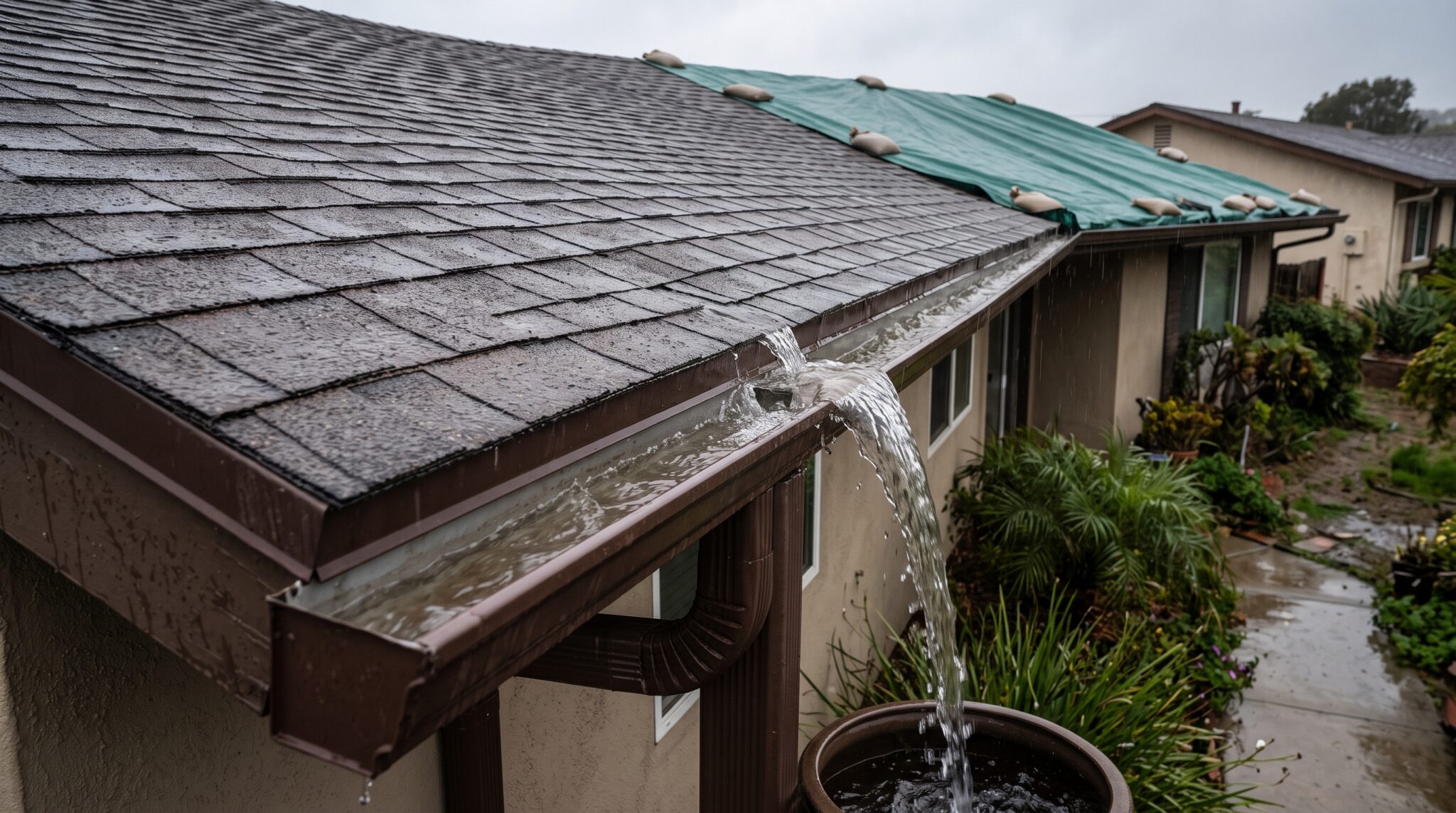
When San Diego takes heavy winter rain, older neighborhoods like Clairemont and North Park carry real risk from aging roofs and undersized drainage. The response: pre-storm gutter clearing in October and emergency roof-tarping crews retained through the rainy season.
Escondido, Poway, and Ramona put extreme strain on HVAC systems. The response: we keep portable floor AC units available to provide immediate relief while the main system is repaired, which reduces both tenant hardship and constructive eviction exposure.
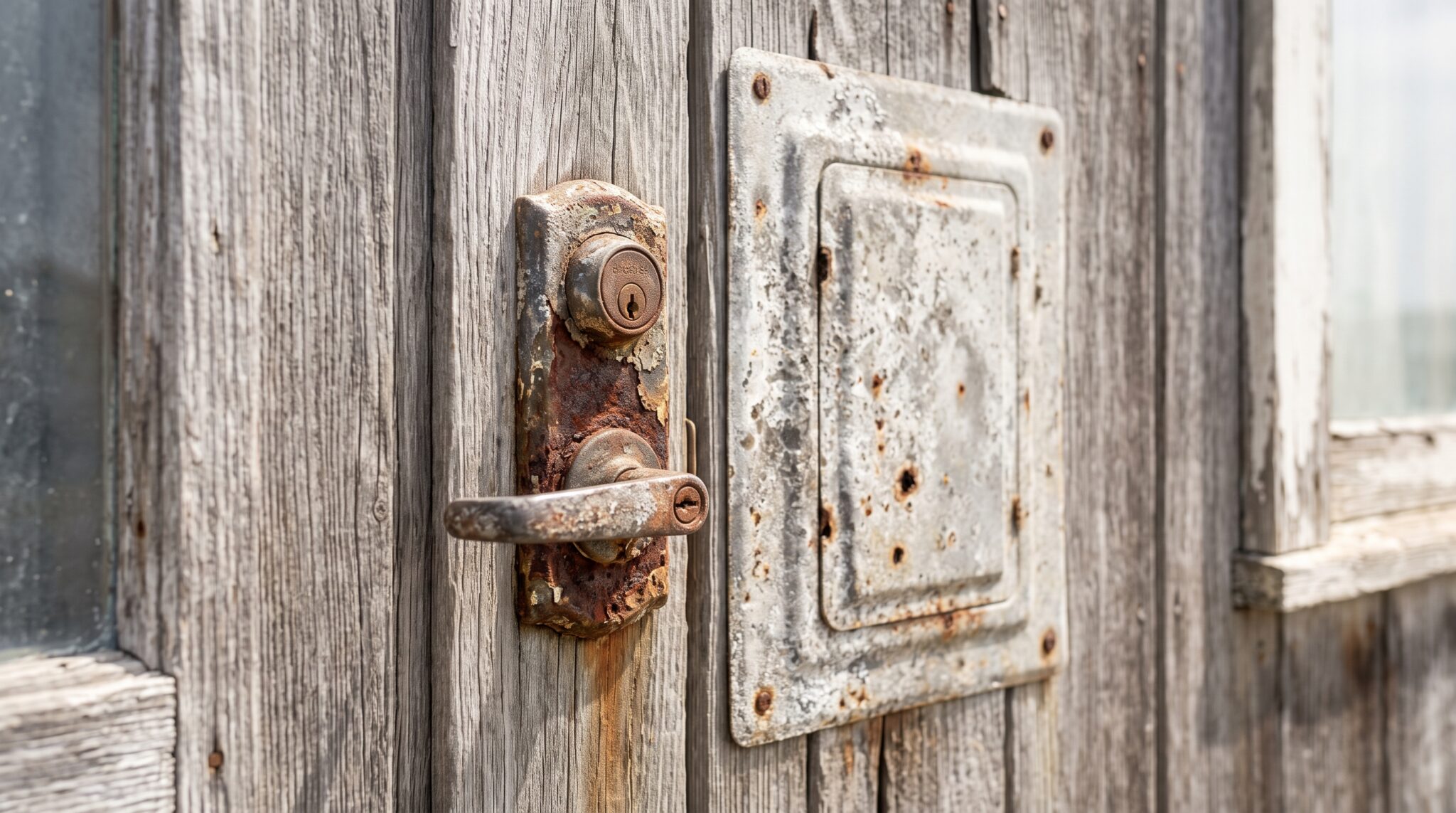
In Ocean Beach and La Jolla, salt air causes sudden failure of locksets and exterior electrical panels. The response: marine-grade hardware on coastal turnovers, which prevents a meaningful share of 2:00 AM lockout and power-loss calls.
Frequently Asked Questions
Is a clogged toilet always an emergency?
Can I charge the tenant for an emergency call?
What if a repair takes more than 48 hours?
Is air conditioning legally required in California?
What happens if a tenant refuses access for an emergency?
How fast must a landlord fix “no hot water”?
Who pays for a hotel during repairs?
Does insurance cover the cost of the emergency plumber?
What is the penalty for ignoring a habitability emergency?
Can a tenant be evicted while an emergency repair is pending?
Does Palm Tree Properties charge an after-hours surcharge?
How do you handle gas leaks?
Do you handle tree-related emergencies?
What is a spending threshold?
How do you document root cause for security deposit claims?
Next Steps: Secure Your San Diego Investment
Emergency repairs are the single largest variable in a rental property’s annual expense report. Shifting from a hope-for-the-best approach to a systemized response model protects your equity and your reputation. If you do not have a documented 24/7 emergency protocol in place, your asset is exposed to preventable capital loss.
Two ways to start: Schedule a residential property management consultation. We will review your current emergency protocols and vendor list. Request a portfolio risk assessment. Get a professional read on the age and condition of your major systems before the next 2:00 AM call.
Contact Palm Tree Properties today to have your San Diego rental managed with the discipline it deserves.
Have Your San Diego Rental Managed With the Discipline It Deserves
Get a documented 24/7 emergency protocol and a professional read on your property’s biggest risks before the next call comes in.
Schedule a Free Consultation