One Misclassified Invoice Can Cost You Thousands
Claiming a $25,000 roof as a “repair” is an IRS audit trigger. Get professional management that separates OpEx from CapEx on every statement.
Schedule a Free ConsultationThe Strategic Difference: Maintenance vs. Capital Improvements
At Palm Tree Properties, we view property work through a clinical lens. Maintenance is an operational necessity to keep the asset running. A capital improvement is a strategic investment to grow the asset’s value. Understanding this distinction is the foundation of our San Diego property management approach.
What Defines Rental Maintenance?
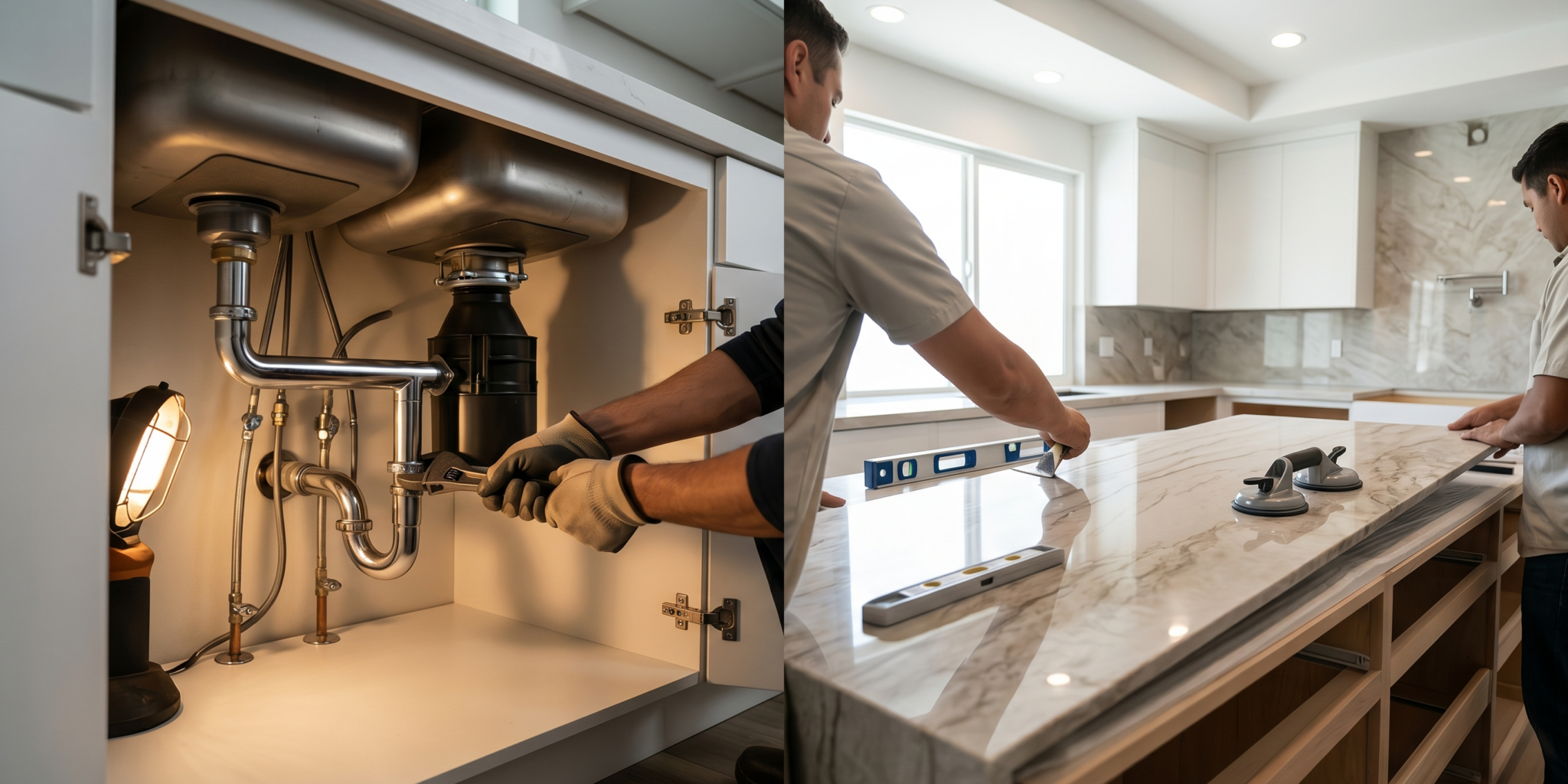
Maintenance and repairs are activities that keep your property in ordinary operating condition without materially adding value or substantially prolonging its life beyond its original state. They are routine and recurring, designed to restore value or maintain the status quo. The tax treatment is straightforward: 100% deductible as an operating expense (OpEx) in the current tax year.
What Defines a Capital Improvement (CapEx)?
A capital improvement is a permanent upgrade that materially adds value to the property, prolongs its useful life, or adapts it to a new use. These are infrequent or one-time major projects that add new value or extend the asset’s timeline. CapEx must be “capitalized” and depreciated over its useful life - typically 27.5 years for residential structural components.
| Factor | Maintenance (OpEx) | Capital Improvement (CapEx) |
|---|---|---|
| Frequency | Routine, recurring | Infrequent, one-time |
| Objective | Restores / maintains status quo | Adds value or extends life |
| Tax Treatment | 100% Current Year | Depreciated 27.5 yrs |
| Example | HVAC coil cleaning, interior paint | New flooring, quartz countertops |
The IRS “BAR” Test: Betterment, Adaptation, Restoration
To simplify the classification, the IRS uses the BAR Test. If the work falls into any of these three categories, it is likely a capital improvement that must be depreciated rather than expensed.
Our guide on San Diego ADU rules covers the full compliance landscape for adaptation projects.
San Diego Case Study: The $18,000 Scripps Ranch Turnover
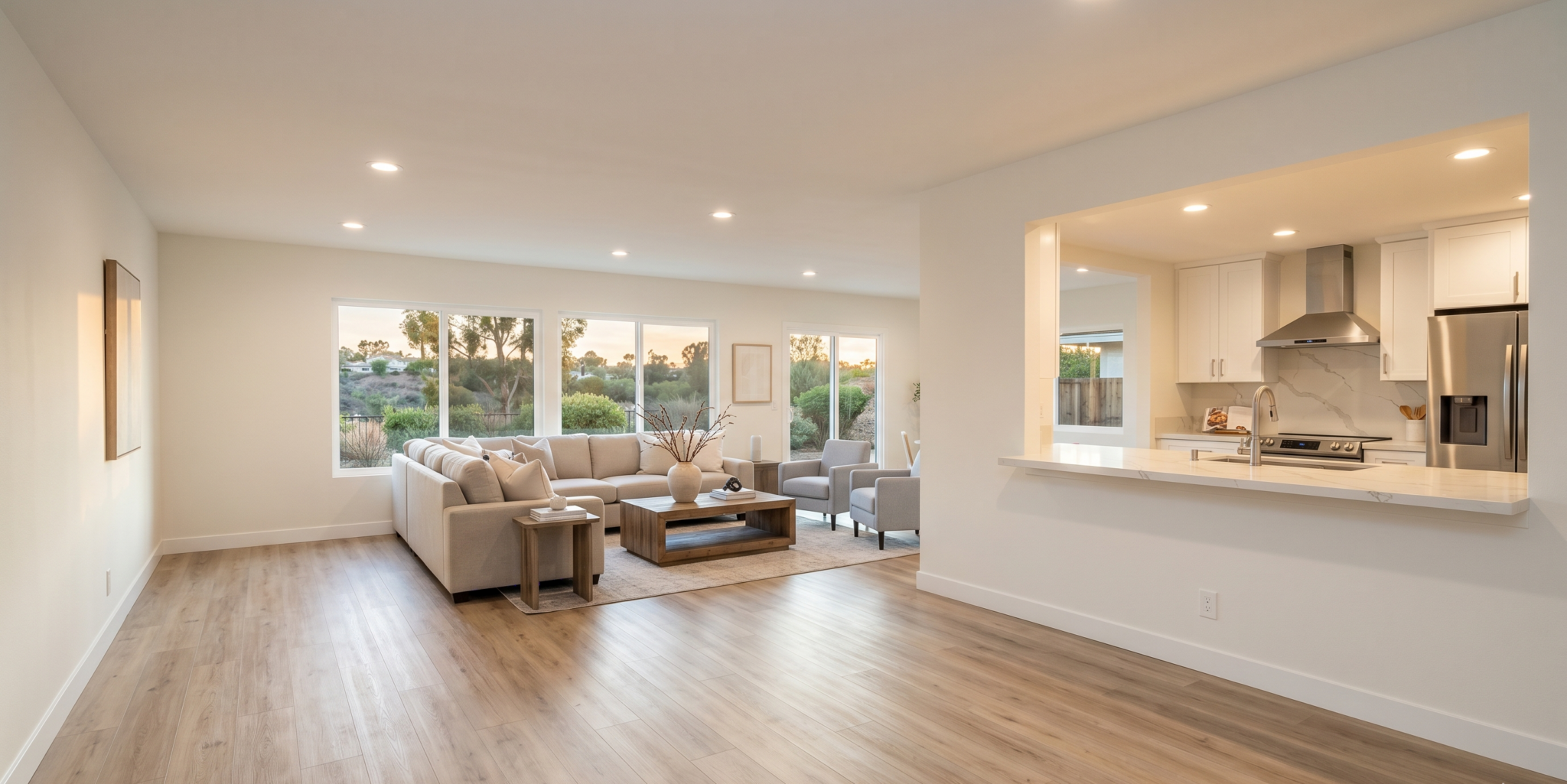
To illustrate the financial impact, here’s a recent 3-bedroom turnover in Scripps Ranch. The owner faced an $18,000 bill to get the property “Rent Ready” for a high-income tenant.
The $18,000 Breakdown
| Work Item | Cost | Classification |
|---|---|---|
| Interior Paint Touch-ups | $4,000 | Maintenance |
| New LVP Flooring | $6,000 | Capital Improvement |
| HVAC Capacitor & Coil Clean | $2,000 | Maintenance |
| New Quartz Kitchen Countertops | $6,000 | Capital Improvement |
The Tax Impact: Under professional management, we separated these on the owner’s statement. The $6,000 in maintenance was deducted 100% in 2026, providing immediate tax relief. The $12,000 in capital improvements was moved to the depreciation schedule.
If the owner had been using a “low-cost” manager who lumped this into one “Renovation” invoice, an auditor could argue the entire $18,000 was a “Plan of Betterment,” forcing the owner to wait 27.5 years to fully realize the deductions.
The Visual Decision Tree: Repair or Improve?
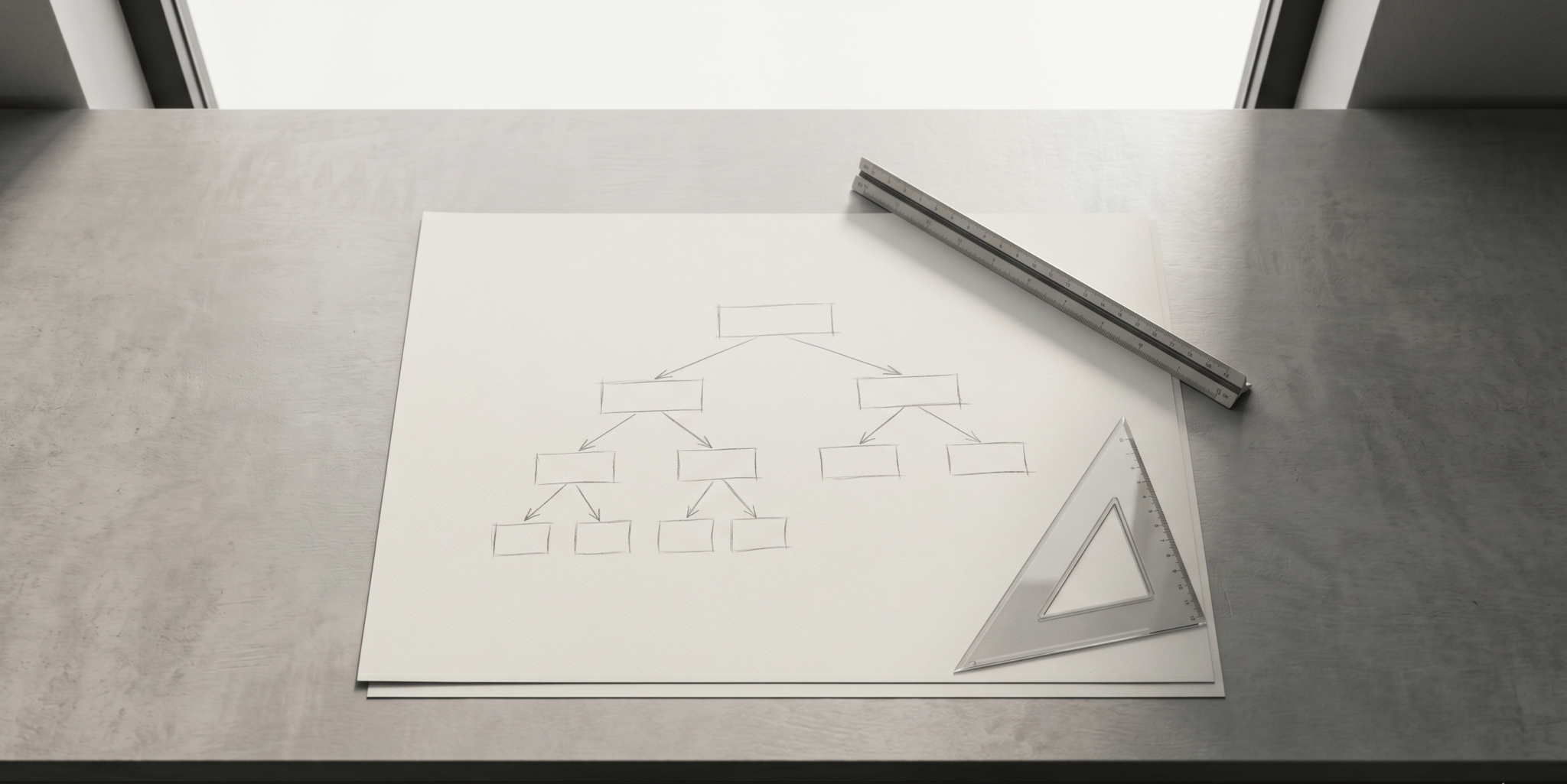
Use this logic flow for every work order over $500 at your San Diego rental property:
Is the invoice under $2,500? If yes, it may qualify for the De Minimis Safe Harbor (Immediate Deduction). You can expense it in full regardless of classification.
Does it fix a specific broken item to its original state? If yes: likely Maintenance. A broken garbage disposal replaced with the same model is a repair.
Does it replace more than 30% of a major system (Roof, HVAC, Plumbing)? If yes: likely Capital Improvement.
Is it part of a larger “remodeling” project? If yes: must be capitalized as part of a Plan of Betterment.
Does it meet the BAR Test? (Betterment, Adaptation, Restoration) If yes: it is a Capital Improvement.
Stop Guessing - Get Every Deduction Classified Correctly
We separate OpEx from CapEx on every owner statement so your CPA can maximize your deductions without audit risk.
Schedule a Free Consultation2026 Tax Landscape: The “One Big Beautiful Bill” Act & California SB 711
For 2026, the tax landscape is a tale of two governments. Federal law has restored 100% Bonus Depreciation via the “One Big Beautiful Bill” Act, allowing you to deduct the full cost of “personal property” (appliances, carpet, specialty lighting) in Year One on your federal return.
100% Bonus Depreciation is restored. You can deduct the full cost of qualifying personal property - appliances, carpet, specialty lighting - in Year One on your federal return.
California does not allow 100% bonus depreciation. This creates a “basis mismatch.” You might show a loss on your federal return but a profit on your California state return.
Managing these dual depreciation schedules is one of the primary reasons sophisticated San Diego investors move away from DIY management toward professional oversight. Read our 2025 San Diego real estate market trends to see how the investment landscape is shifting.

San Diego Balcony Laws: SB 721 and SB 326
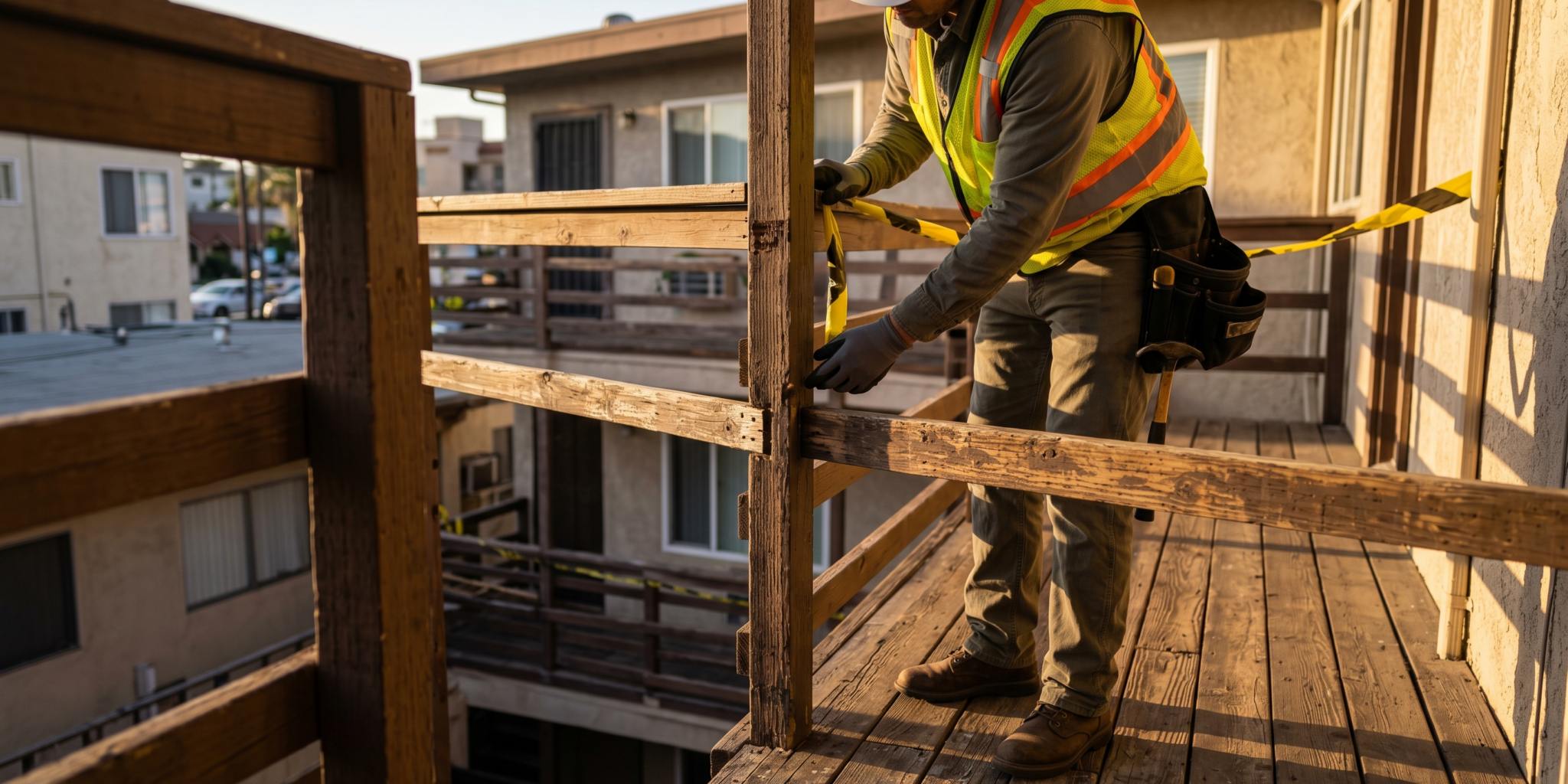
If you own a multifamily property (3+ units) in neighborhoods like North Park (92104) or Pacific Beach (92109), you are now subject to mandatory “Elevated Exterior Element” inspections. Our California balcony inspection law guide and SB 721 essential guide for property owners cover everything you need to know.
Inspection Cost vs. Repair Classification
The fee paid to the architect or engineer to perform the inspection is a deductible maintenance expense. However, if the inspection reveals dry rot or structural failure, the resulting repairs are typically classified as Restoration (CapEx).
Budgeting for these 6-year (apartment) and 9-year (condo) inspection cycles is a core part of our long-term CapEx forecasting for our clients.
What Goes Wrong with Underperforming Property Managers
Weak management treats all property work as “repairs,” which creates significant risk for the owner. See our post on why hiring a discount property manager is costing you money for a full breakdown.
The Three Biggest Risks
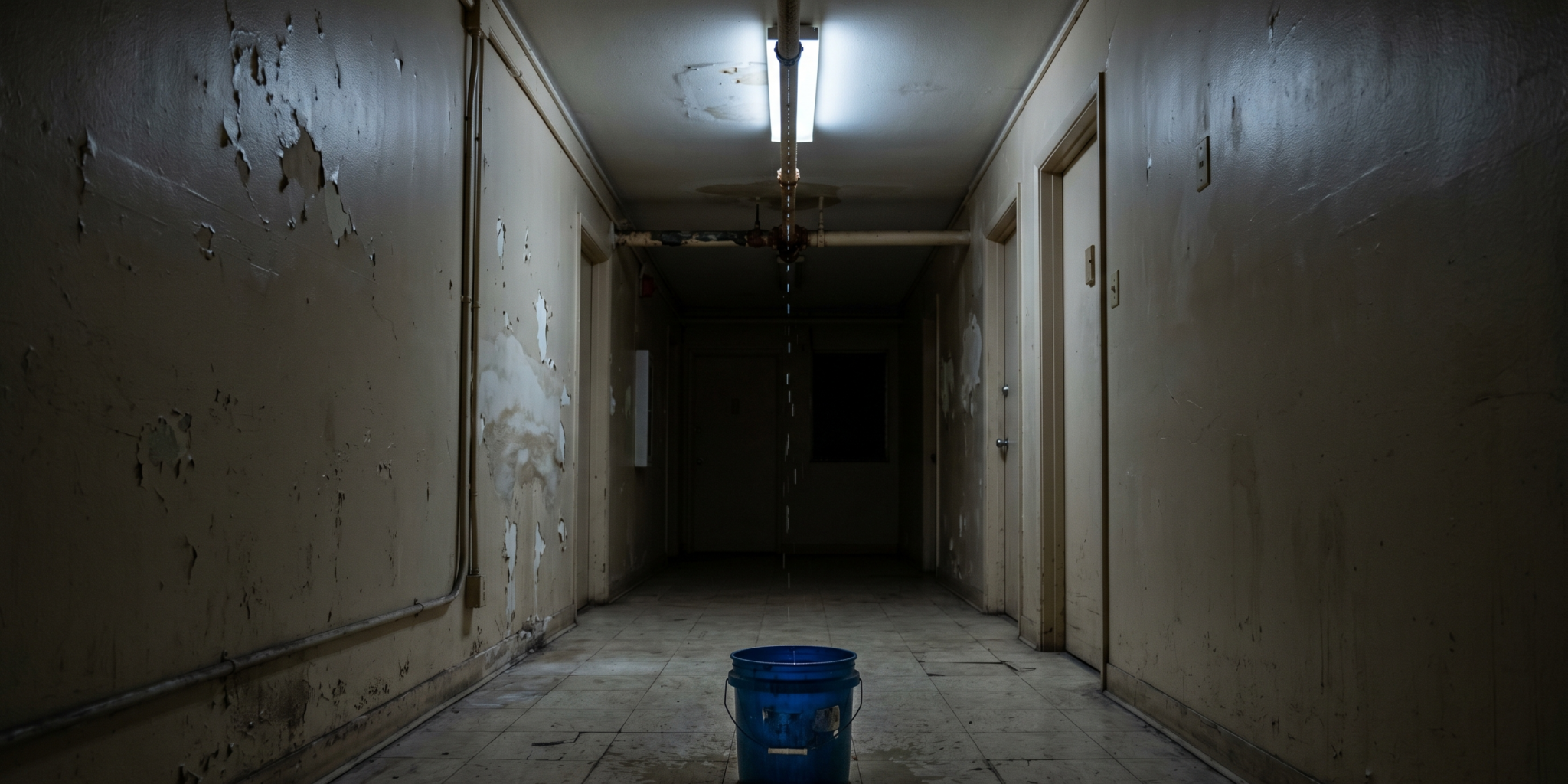
Audit Red Flags: Claiming a $25,000 roof as a “repair” is an immediate trigger for an IRS audit. A professional manager classifies expenses correctly on every statement, giving your CPA clean data to work with.
Reactive Maintenance: By ignoring preventative routine maintenance (OpEx), weak managers allow systems to fail prematurely - forcing the owner into expensive, unplanned capital replacements (CapEx). A $200 HVAC tune-up skipped today becomes a $12,000 system replacement next year.
Poor Documentation: Invoices that lack detail make it impossible for your CPA to apply the BAR test correctly. The result is often missed deductions or, worse, penalties if audited.
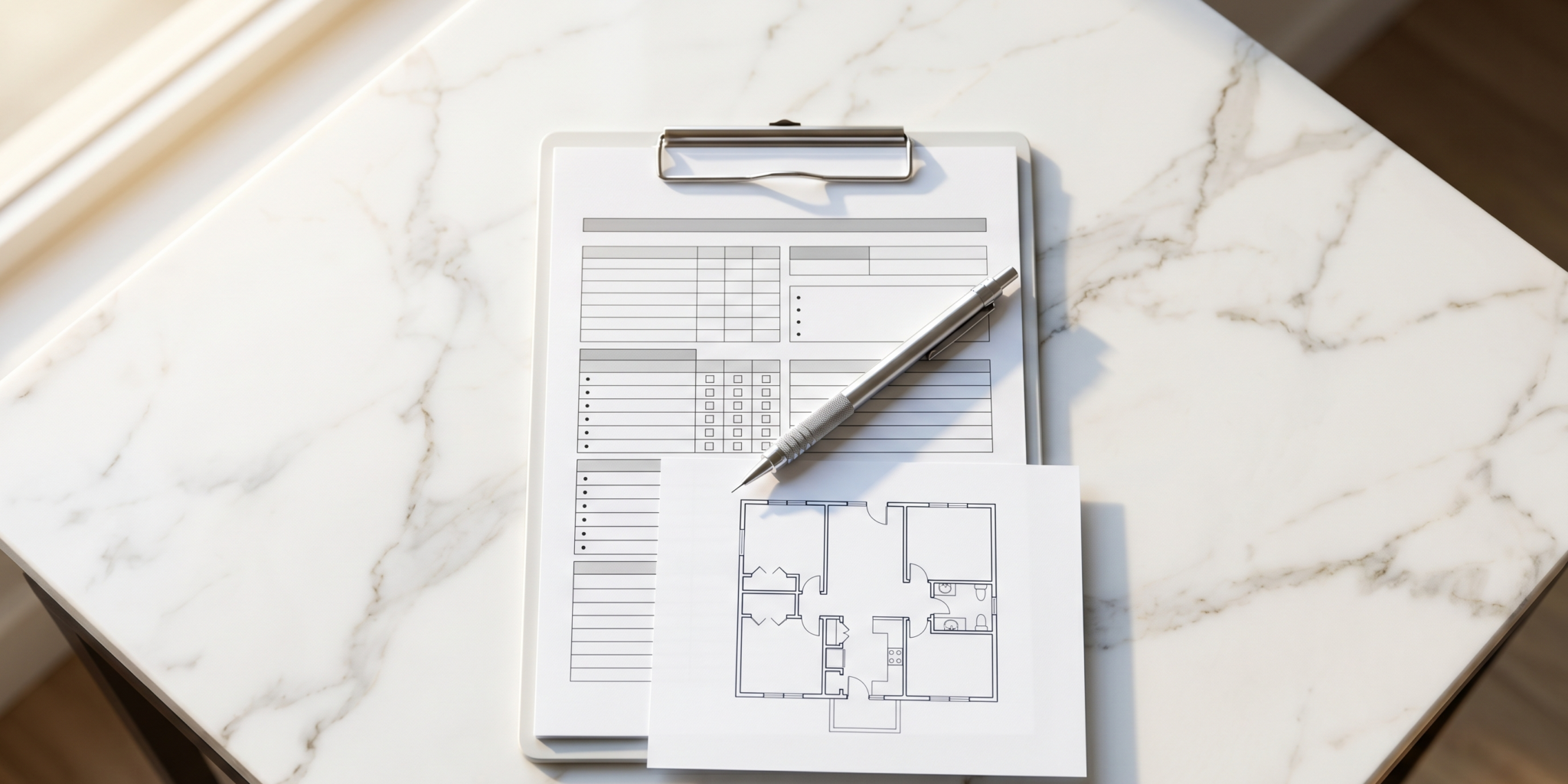
The 25-Point San Diego Rental Expense Classification Worksheet
Audit your property’s 2026 spending with this comprehensive diagnostic. Print it out, share it with your CPA, or let us handle it for you through our San Diego property management services.
Administrative & Compliance
- Is the total invoice under the $2,500 De Minimis Safe Harbor threshold?
- Does the invoice clearly separate labor from materials?
- Are “Before” and “After” photos attached to the work order?
- Does your owner’s statement flag the expense as OpEx or CapEx for your CPA?
- Did the work require a City of San Diego building permit? (Permits often signal CapEx.)
Physical Property Logic
- Does the work involve the foundation or load-bearing walls? (CapEx)
- Are you replacing a “Unit of Property” - e.g., the entire refrigerator? (CapEx)
- Are you fixing a component of a unit - e.g., the fridge compressor? (OpEx)
- Is the work routine, performed every 1-3 years? (OpEx)
- Is the work a response to a specific casualty event - storm or flood? (Usually OpEx)
- Are you upgrading materials - e.g., Formica to Granite? (CapEx)
- Does the work increase the square footage of the building? (CapEx)
- Are you installing new systems - e.g., adding a solar array? (CapEx)
- Is the property currently in “Rent Ready” condition or “Disrepair”? (Restoration check)
- Are you replacing more than 20% of the roof surface? (CapEx)
Strategic Investor Considerations
- Do you qualify for Real Estate Professional Status (REPS)?
- Is the work part of a “General Plan of Rehabilitation” for a new acquisition? (CapEx)
- Does the work qualify for 2026 Federal Energy Credits?
- Have you accounted for California SB 711 non-conformity?
- Will this work trigger a Prop 13 property tax reassessment?
- Is the expense covered by a home warranty or insurance claim?
- Does the work improve ADA accessibility? (Specific tax credits may apply.)
- Are you replacing single-pane windows with dual-pane? (CapEx Betterment)
- Is this a “Tenancy-Ending” repair or a “Tenancy-Starting” improvement?
- Have you coordinated this expense with your 5-year CapEx forecast?

Frequently Asked Questions
Is a new water heater a repair or a capital improvement?
Can I deduct improvements in the year I buy a rental property?
What is a “Unit of Property” under IRS rules?
Are appliances 5-year property for depreciation?
Does a cost segregation study make sense for a $1M San Diego SFR?
What records should I keep for an IRS audit?
Can I deduct a tenant-requested improvement?
Should I finance major capital improvements?
How does CapEx affect my property’s appraisal?
How much should I reserve for CapEx in San Diego?
What happens if I misclassify an improvement as a repair?
Is a bathroom remodel a repair if I’m just fixing a leak?
Next Steps: Protect Your $5,000-$20,000 Annual Deductions
Don’t leave your tax strategy to a “handyman’s” invoice. The difference between correct and incorrect expense classification is the difference between maximizing your cash flow and handing the IRS a reason to audit you. Professional management means every dollar is documented, classified, and defensible.
Request a Property Performance Review
Let us audit your current maintenance logs and help you build a 5-year CapEx forecast for your San Diego portfolio.
Schedule a Free Consultation