For an investor, every hour of delay represents a potential vacancy, an escalating repair cost, or a significant legal liability. In 2026, California’s regulatory environment has made response time a mandatory component of habitability, meaning speed is now your best defense against rent withholding and litigation. Read our post on the real cost of discount property management to understand exactly what slow management costs you.
Is Your Property Manager Fast Enough to Protect Your Investment?
Let us analyze your current vacancy and maintenance trends to identify hidden NOI erosion in your San Diego rental portfolio.
Schedule a Free ConsultationThe 2026 San Diego Context: Why Speed is Your Best Defense
San Diego is one of the most competitive and regulated rental markets in the country. With a high concentration of biotech, military, and tech professionals, the tenant pool is highly educated and extremely decisive. These residents do not have the patience for the administrative lag common in “old school” management.
A tenant in La Jolla (92037) or Scripps Ranch (92131) who submits a maintenance request and receives silence for 48 hours is not just annoyed - they are already researching their legal options. In a market where qualified renters have multiple options, the speed of your management team directly determines the quality of tenant you attract and retain.

The Appliance Habitability Mandate (AB 628)
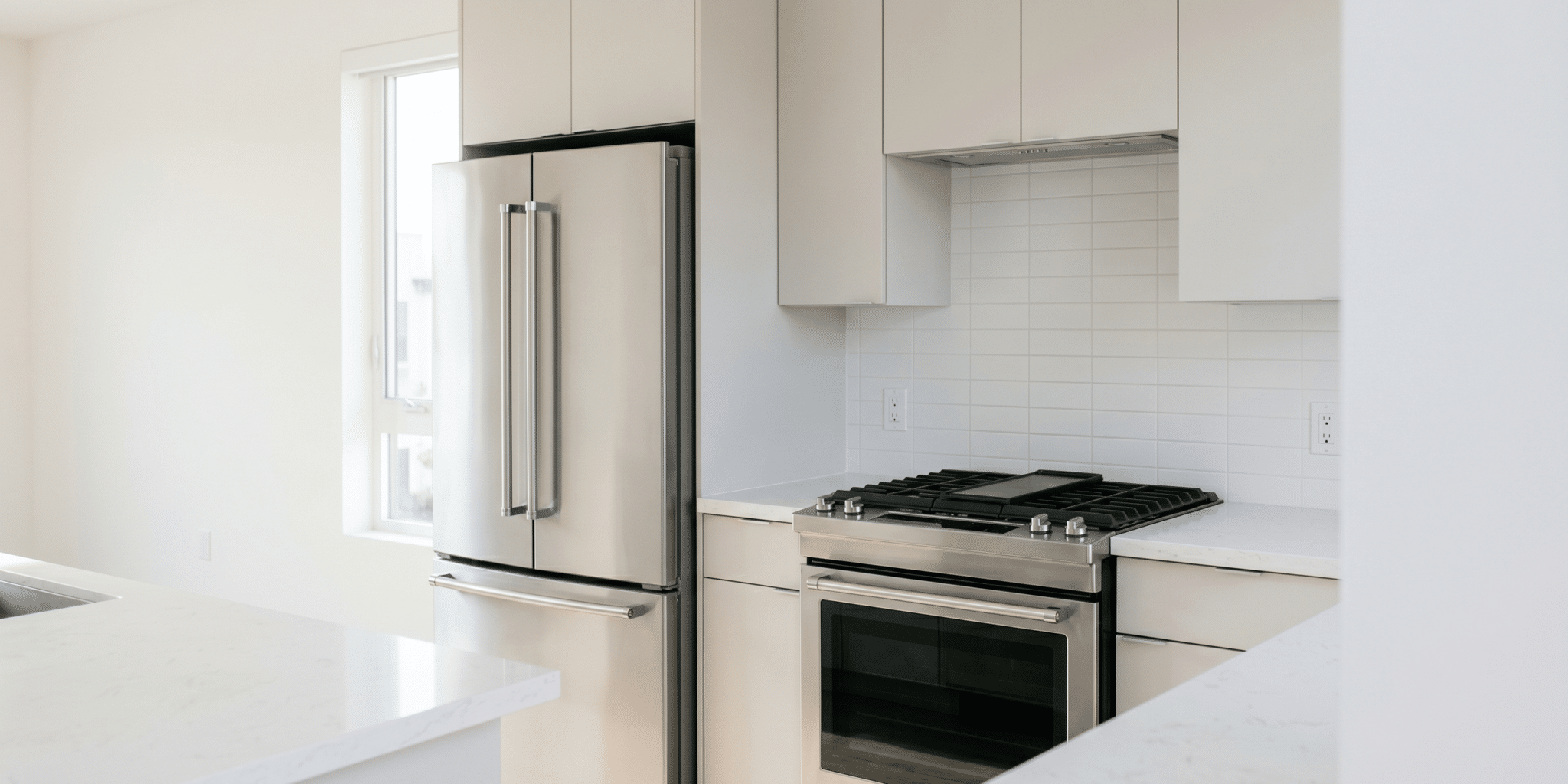
Effective January 1, 2026, California AB 628 has elevated kitchen appliances from “conveniences” to habitability essentials. Landlords are now legally required to provide and maintain a working stove and refrigerator in most residential units.
If a refrigerator fails in a Mira Mesa (92126) rental, it is no longer just a “maintenance ticket” - it is a potential habitability violation. Under the new law, a unit without a working stove and refrigerator is legally “uninhabitable,” supporting tenant claims for rent withholding or repair-and-deduct remedies. Fast property management response time is the only way to navigate the 30-day statutory window required to repair or replace recalled appliances.
Kitchen appliances were generally considered amenities. A broken refrigerator was a maintenance inconvenience, not a legal emergency. Landlords had broader discretion on repair timelines and replacement standards.
A non-working stove or refrigerator now constitutes an uninhabitable condition. Tenants can invoke rent withholding or repair-and-deduct remedies immediately. Landlords face compressed timelines and heightened legal exposure.
Climate-Driven Maintenance Urgency
San Diego’s geography creates specific response requirements that vary dramatically by neighborhood. What qualifies as a “routine” repair in one zip code can escalate into a capital expense in another if response time lags.
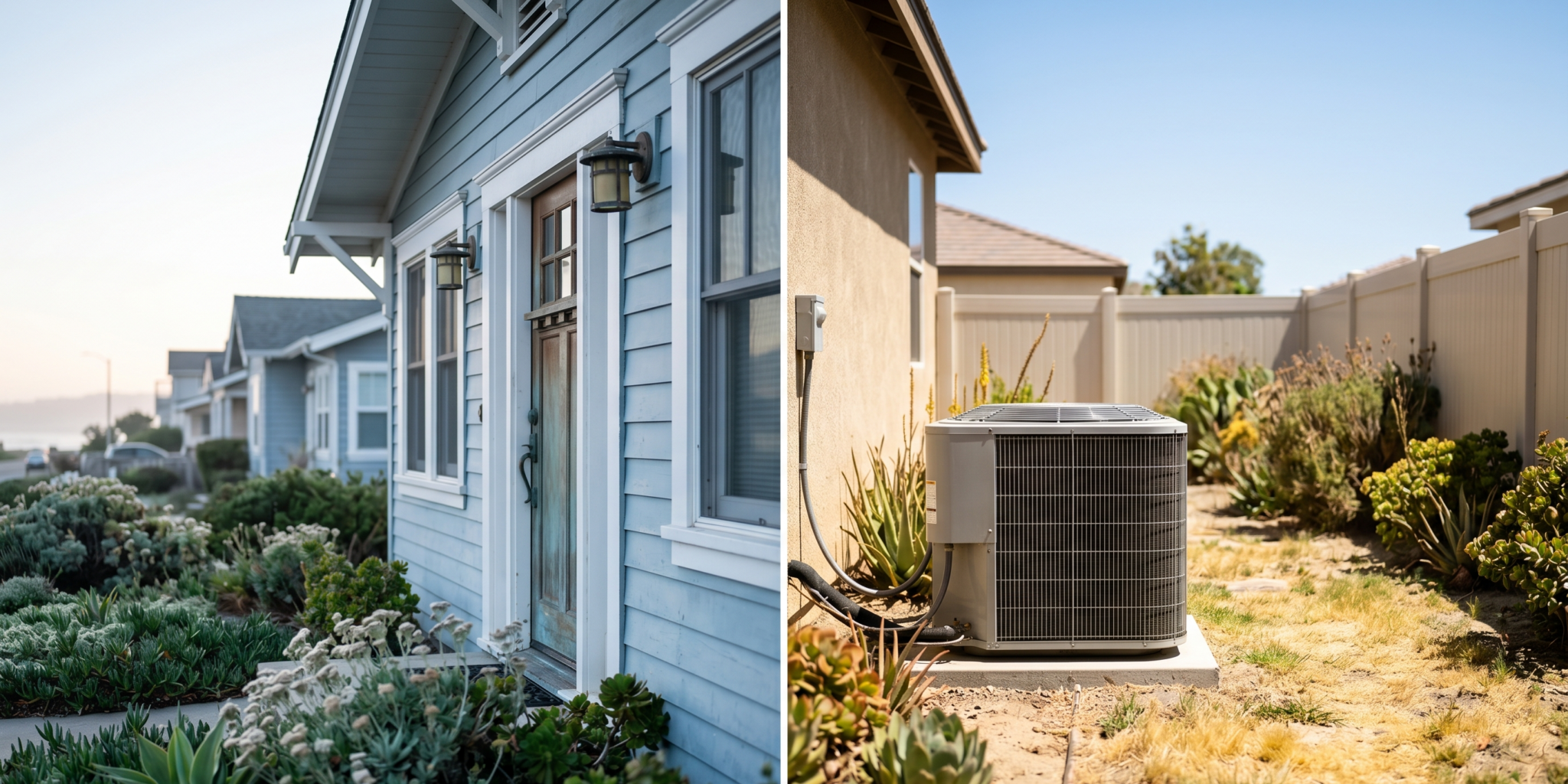
Properties in La Jolla and Pacific Beach face accelerated corrosion on hardware, structural fasteners, and HVAC components. Salt-air exposure can turn a slow bathroom leak into a full mold remediation event within days if left unaddressed.
Properties in Mira Mesa and El Cajon experience extreme summer temperatures that make A/C failure a tenant safety issue. Delayed HVAC response during peak heat can trigger habitability claims and accelerated tenant turnover.
A failed A/C unit in August or a slow leak in a coastal bathroom isn’t just an inconvenience - it’s a ticking time bomb for mold or system failure. Speed is the only way to prevent a $250 repair from becoming a $15,000 capital expense.
Documentation as a Legal & Litigation Shield
In 2026, being “fast” is only half the battle - you must also be “documented”. Read our guide on the importance of routine maintenance for your rental property to understand how consistent documentation creates a legal shield that protects the owner during disputes.
If your manager does not track “Time-to-First-Response” or “Time-to-Resolution” in a centralized system, you do not have professional management - you have a liability.
Leasing & Delinquency: The “Speed to Action” ROI
Responsiveness starts before the lease is signed and continues through rent collection. The financial impact of speed extends across the entire lifecycle of a tenancy - from the first inquiry to the final day of occupancy.
Capturing the “A-Player” Tenant
The highest-quality applicants usually apply to multiple properties simultaneously. They move forward with the manager who responds first. If you take 24 hours to return an inquiry for a home in Carmel Valley or North Park (92104), that “A-Player” tenant has already booked a showing elsewhere. Our goal is “Showing Saturation” in the first 72 hours to aggregate demand and select the most qualified resident.
The Delinquency Clock
Every day of delayed delinquency follow-up is a day added to the eviction timeline. Delaying a 3-Day Notice by just 48 hours can cost an owner two weeks of extra occupancy if it pushes a court date into a subsequent month.
Day 1: Rent is late. System flags the delinquency automatically.
Day 2: Immediate follow-up initiated. A 3-Day Notice to Pay or Quit is served to the tenant.
Day 5: If payment remains outstanding, the case is escalated to legal counsel for formal filing. No delays, no exceptions.
Tired of Waiting Days for a Return Call?
Palm Tree Properties operates with systemized response protocols - not ad-hoc management. See the difference discipline makes.
Schedule a Free Consultation
The 20-Point San Diego Property Owner Response Audit
Use this diagnostic to evaluate your current management’s operational discipline. If your property manager cannot check every box below, you are exposed to avoidable financial and legal risk.
Maintenance & Habitability
- Is there a live 24/7 emergency line staffed by human coordinators?
- Can tenants submit photos/videos of issues for immediate diagnosis?
- Does the manager have “Fast-Response” contracts with local plumbers and electricians?
- Does every non-emergency ticket receive a scheduling update within 24 hours?
- Has your manager audited your 2026 appliance compliance (AB 628)?
- Is there a pre-approved maintenance limit to avoid “approval lag” on critical repairs?
- Are all “uninhabitable” conditions (sewage, exposed wires) inspected within 1 business day?
Leasing & Communication
- Are leasing leads answered within 2 business hours?
- Are showing appointments booked automatically 24/7?
- Does the manager track “Time to Resolution” as a primary KPI?
- Are owner reports and monthly statements delivered by the 10th?
- Are prospective tenants screened against 2.5-3x rent income standards?
Legal & Compliance Shield
- Is the “3-Day Notice” served within 24 hours of a missed payment?
- Are all vendor arrivals and departures time-stamped via GPS or app?
- Are written maintenance logs maintained as a litigation defense?
- Does the manager hold a valid California DRE broker’s license?
- Is every repair-and-deduct attempt documented and audited for validity?
- Are annual property inspections performed to identify deferred maintenance?
- Does the manager understand San Diego City vs. County “Just Cause” overlays?
- Is every lease update compliant with new 2026 habitability disclosures?

The Financial Math of Delay: A San Diego Comparison
The table below illustrates the real-world impact of response time on a standard 3-bedroom SFR in Mira Mesa (92126) renting for $4,000/month. Read our 2025 San Diego real estate market trends to understand the broader performance landscape for your portfolio.
| Scenario | Weak Response (Ad-Hoc) | Palm Tree Properties (Systemized) |
|---|---|---|
| Leasing Vacancy | 45 Days ($6,000 loss) | 14 Days ($1,866 loss) |
| Escalated Repair Costs | $2,500 Reactive | $500 Proactive |
| Legal/Compliance Risk | High (Potential 2x Penalty) | Low (Full Documentation) |
| Turnover Frequency | Every 12 Months | Every 36 Months |
| Annual NOI Impact | −$8,500 Erosion | +$8,500 Protection |
Speed is the difference between a property that makes $10,000 a year and one that loses $10,000 a year.
What Typically Goes Wrong with Underperforming Property Managers
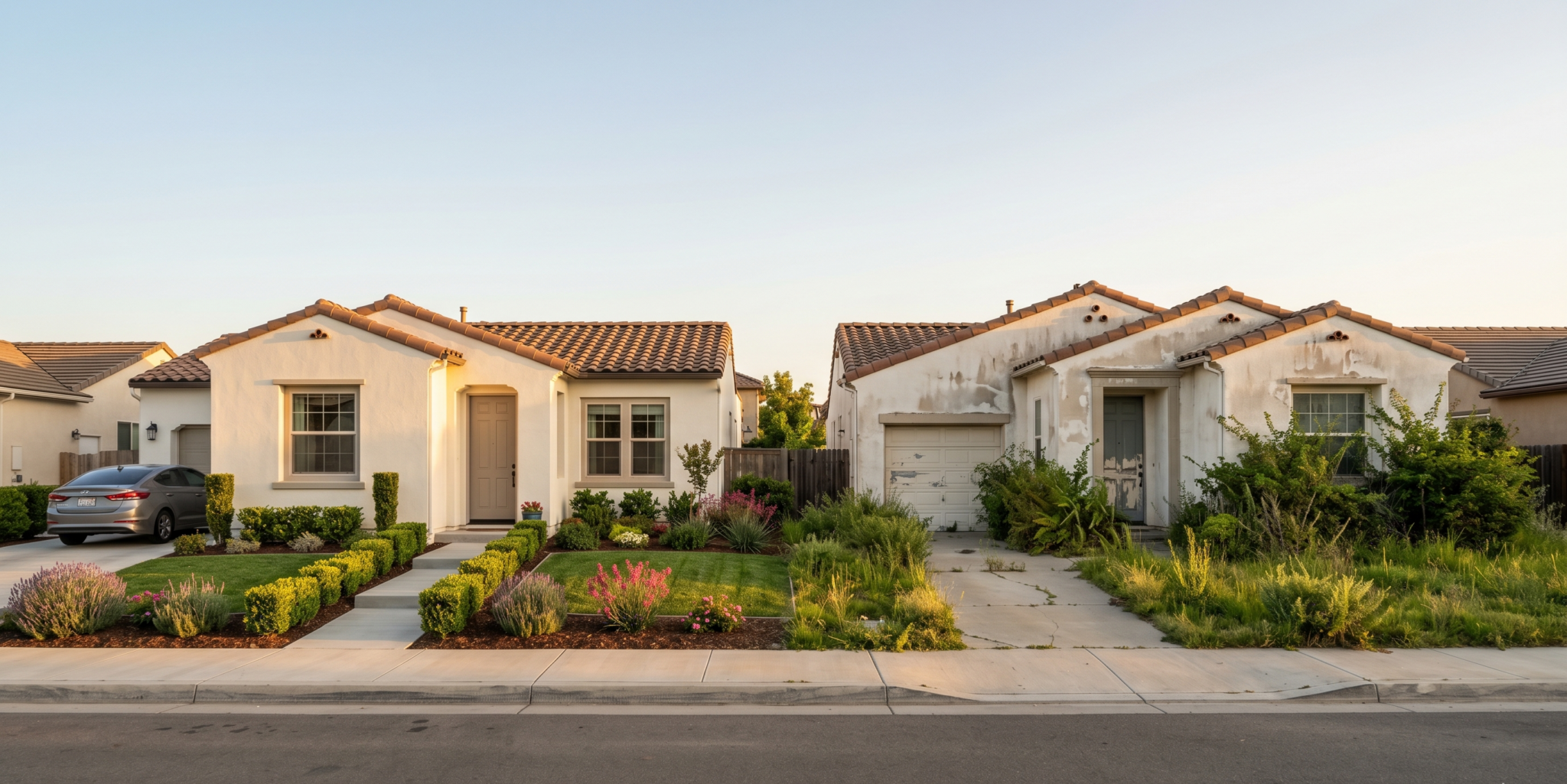
Most San Diego owners switch to us because they are frustrated with the “Silent Manager” - the property management company that disappears between crises. Here are the four most common failure patterns we see when onboarding new clients.
The Four Signs of the “Silent Manager”
1. Hides from Owners: Only calls when there is bad news or a major bill. Proactive communication is nonexistent, leaving owners to discover problems after they’ve already escalated.
2. Ignores Tenants: Views tenant requests as “complaints” rather than data points for asset preservation. This adversarial stance drives away quality tenants and accelerates turnover.
3. Suffers from Staff Overload: A “cheap” manager often has 100+ properties per staff member, making responsiveness physically impossible. You cannot deliver speed without proper staffing ratios.
4. No Vendor Oversight: Allows slow vendors to remain on the rotation because they “don’t have anyone else.” Without performance-based vendor relationships, repair timelines balloon and costs escalate. Read our analysis on choosing the right property management partner to avoid these pitfalls.

Frequently Asked Questions
What is considered an “emergency” repair in San Diego?
How fast must a landlord fix a plumbing issue in California?
Can tenants withhold rent for slow repairs?
What is the legal repair window under California Civil Code?
How does response time affect Fair Housing compliance?
What is the “Repair and Deduct” limit in California?
Do I need a DRE license to manage property in San Diego?
How do you handle after-hours emergencies?
Does summer heat affect response time benchmarks in San Diego?
Can tenants withhold rent for cosmetic issues?
What is “Time-to-Resolution” and why does it matter?
Next Steps for San Diego Rental Owners
The speed of your management team is the speed of your investment’s growth. If you are tired of waiting days for a return call while your property sits vacant or repairs escalate, it is time for an operator-led approach. Protect your income. Enforce standards. Operate with discipline.
Request a Property Performance Review
Protect your income, enforce standards, and operate with discipline. Let Palm Tree Properties show you what systemized management looks like.
Schedule a Free Consultation