San Diego presents a unique set of environmental challenges that can catch passive landlords off guard. From the corrosive salt air of coastal submarkets like Pacific Beach and La Jolla to the mineral-heavy hard water that plagues inland plumbing systems in Mira Mesa and Poway, a standard approach to upkeep is insufficient.
At Palm Tree Properties, we operate with an investor’s mindset. We understand that a $300 preventative fix is superior to a $12,000 emergency remediation. Our approach is performance-driven and systemized, ensuring that your property remains habitable, compliant, and profitable. Learn more about our routine maintenance approach for San Diego rentals.
Is Your San Diego Rental Protected or Exposed?
Deferred maintenance quietly erodes equity in one of the nation’s highest-value markets. Let our team build a preventative maintenance plan tailored to your property.
Schedule a Free ConsultationThe Financial Reality of Maintenance in San Diego
Operating a rental home in San Diego requires a clear understanding of the cost of neglect. Because local property values are among the highest in the nation, even minor deferred maintenance can lead to significant equity erosion.
The Rent Multiplier Reserve Rule
While many sources suggest setting aside 1% of property value annually, San Diego’s high valuations make this rule difficult to apply. For a 3-bedroom home in Scripps Ranch (92131) or Carmel Valley valued at $1.2M, a $12,000 annual budget is a significant cash flow consideration. We advocate for the “Rent Multiplier” rule: budgeting 1.5 to 2 months of gross rent for annual maintenance and reserves, providing a realistic cushion for San Diego’s higher labor and material costs.
ROI on Proactive Repair
Our operational data demonstrates that well-maintained properties lease 70% faster in San Diego and command a 5-8% rent premium. In high-demand submarkets like North Park (92104) and Pacific Beach (92109), properties in superior condition consistently lease within 7-10 days, while poorly maintained homes often sit for 21+ days. For more context on how vacancy affects your bottom line, review our guidance on San Diego market trends
Maintenance Benchmarks by Property Age
Landlords must adjust their financial modeling based on the age of their asset to avoid cash flow shocks.
| Property Age | Maintenance Strategy | Budget Range (Annual) |
|---|---|---|
| 0-10 Years | Warranty oversight & cosmetic preservation | 1% of property value |
| 11-25 Years | Major system servicing (HVAC, water heater) | 1.5% - 2% of property value |
| 26-40 Years | Pinhole leak monitoring & roof longevity | 2.5% - 3% of property value |
| 40+ Years | Full system modernization & structural audits | 4%+ of property value |
Maintenance vs. Capital Improvements: The Landlord’s Distinction
Sophisticated investors distinguish between standard maintenance (an operating expense) and capital improvements (CapEx), because the two are treated very differently at tax time. Understanding the line between them is essential for accurate rental property deductions.
Routine tasks like caulking repairs, faucet washer replacements, or gutter cleaning. These are fully deductible in the year they occur.
Projects that add value or extend the property’s life - a roof replacement, HVAC installation, or full appliance upgrade. These are typically depreciated over time rather than deducted immediately.
Coastal Challenges: The Salt Air Tax
If your property is located within five miles of the Pacific Ocean - encompassing Encinitas down through Ocean Beach - you are subject to what we call the “Salt Air Tax.” The fine mist from the marine layer carries salt particles that accelerate the oxidation of metal fixtures, degrade paint, and rot untreated wood.
Plumbing Systems: Hard Water and Slab Leaks
San Diego’s water supply is notorious for its high mineral content - primarily calcium and magnesium. While safe to drink, this hard water is a silent killer of plumbing infrastructure and appliances.
Mineral Scaling
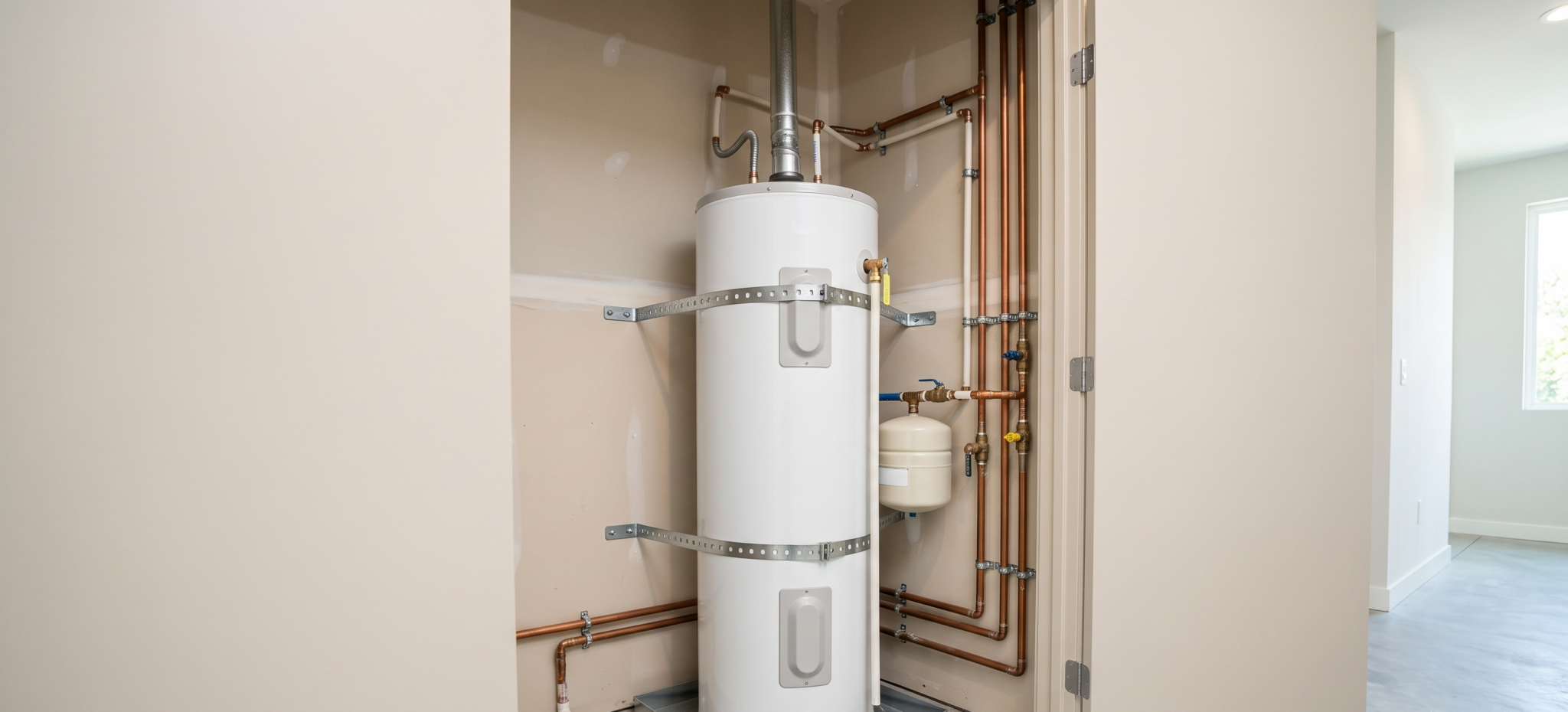
Hard water creates a white, chalky buildup on faucets and showerheads. More critically, it builds up inside water heaters, creating an insulating layer that forces the unit to work harder, eventually leading to a burst tank.
- The Strategy:Annual water heater flushing is a non-negotiable part of our preventative maintenance calendar.
Slab Leaks
Many San Diego homes built between the 1950s and 1980s were constructed on concrete slabs with copper pipes underneath. Over time, the chemistry of the water and shifting soil can cause pinhole leaks.
- Warning Signs:Unexplained high water bills, warm spots on the floor, or the sound of running water when all faucets are off.
- Management Focus:We monitor utility bills for spikes that signal a leak before it causes catastrophic foundation damage.
Under California Civil Code Section 1941, landlords are required to maintain rental properties in habitable condition. This includes maintaining all plumbing in good working order.
Stop Small Leaks Before They Become Six-Figure Problems
Our systemized inspections catch scaling, slab leaks, and corrosion early. Let us put a preventative plan in place for your San Diego rental.
Schedule a Free ConsultationStructural and Pest Threats: The San Diego Termite Reality
In San Diego, it is not a question of if your property will get termites, but when. Our climate is the ideal breeding ground for both Drywood and Subterranean termites.
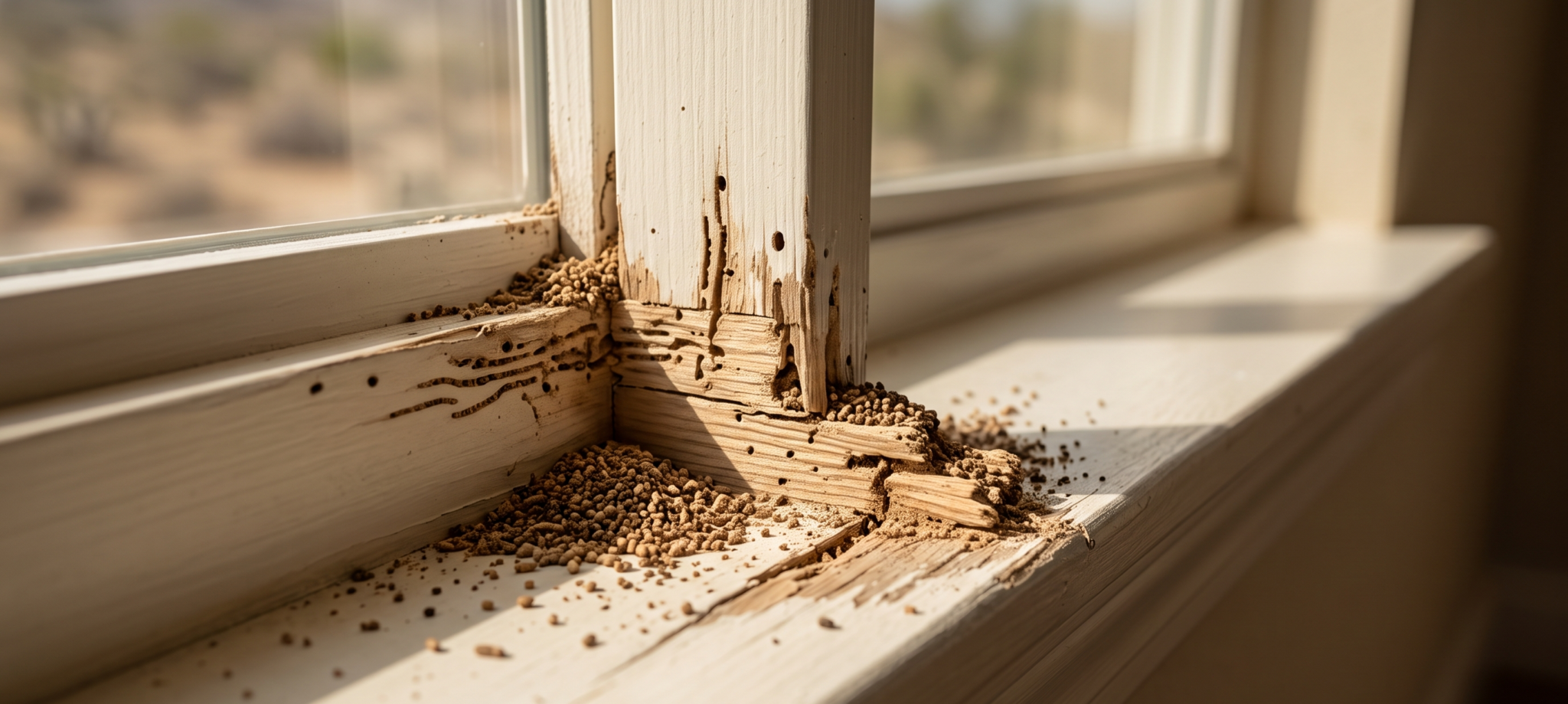
These colonies live inside the wood without soil contact, often identified by frass (small pellets) on windowsills or baseboards. The fix is localized treatment or tenting, which typically costs $2,000-$4,500 and requires tenants to vacate for 3 days.
These pests come from the ground and build mud tubes up the foundation, causing structural failure far faster than Drywood varieties. Soil treatment and perimeter barriers are necessary to keep colonies out.
California Compliance: SB 721 and SB 326 (The Balcony Law)
If you own a multifamily building with 3 or more units in San Diego, you must comply with SB 721 (for apartments) or SB 326 (for HOAs and condos). Both mandate professional inspections of Exterior Elevated Elements - balconies, decks, and stairways supported by wood or steel.
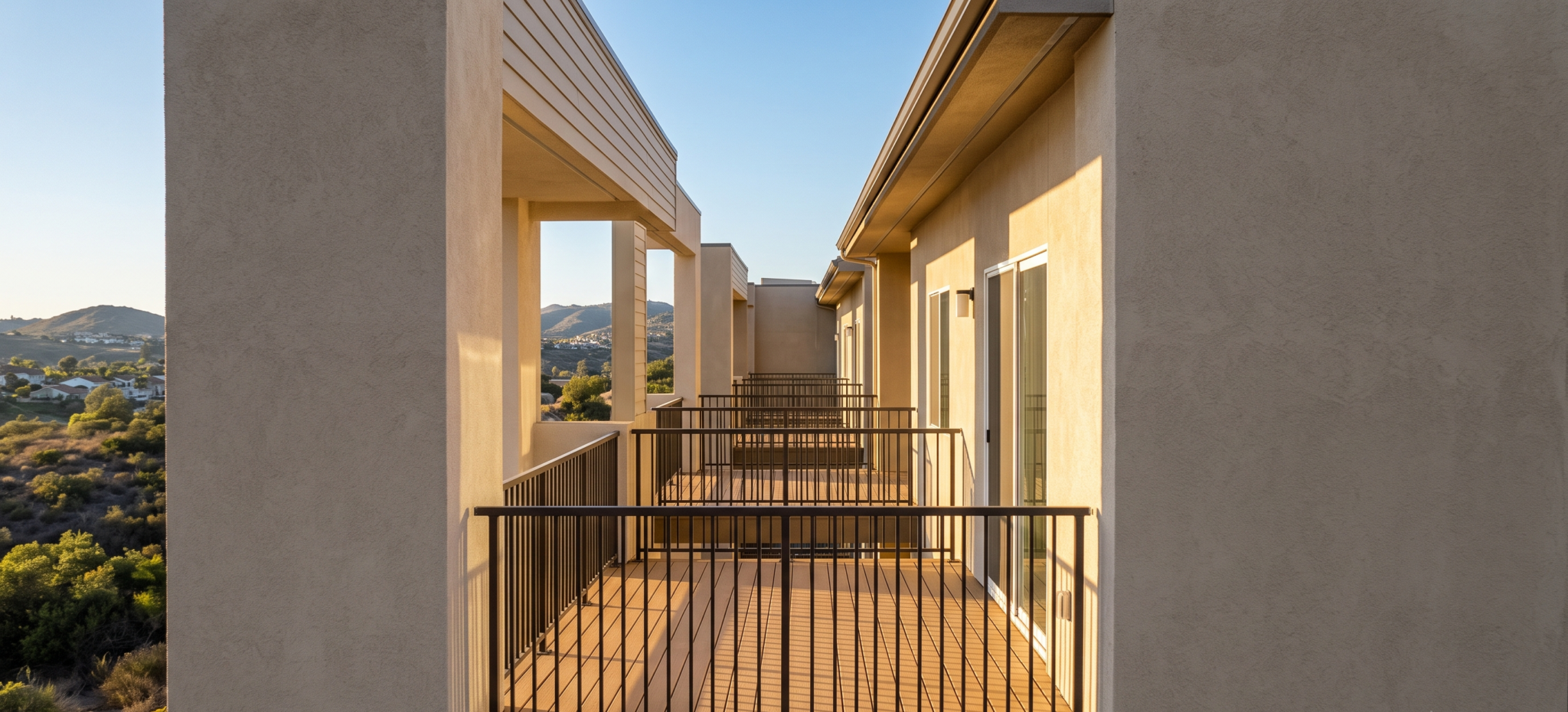
The Requirement: Mandatory professional inspection of all balconies, decks, and elevated walkways supported by wood or steel.
The Deadline: The first cycle of inspections must be completed by January 1, 2026.
The Risk: Inspections cost between $2,000 and $10,000; failure to comply can trigger significant local code enforcement fines.
Deferred Maintenance: The Cost Escalation Model
To visualize why proactive maintenance is essential, consider the typical escalation of a minor plumbing leak in a coastal property. What starts as a $300 fix can compound into a five-figure catastrophe within 60 days.
| Stage of Neglect | Action Required | Estimated Cost |
|---|---|---|
| Day 1 - The Pinhole Leak | Licensed plumber repair | $300 |
| Day 30 - Undetected Moisture | Drywall & subfloor repair | $1,500 |
| Day 60 - Mold Growth | Professional mold remediation & tenant relocation | $12,000+ |
25-Point San Diego Rental Maintenance Checklist
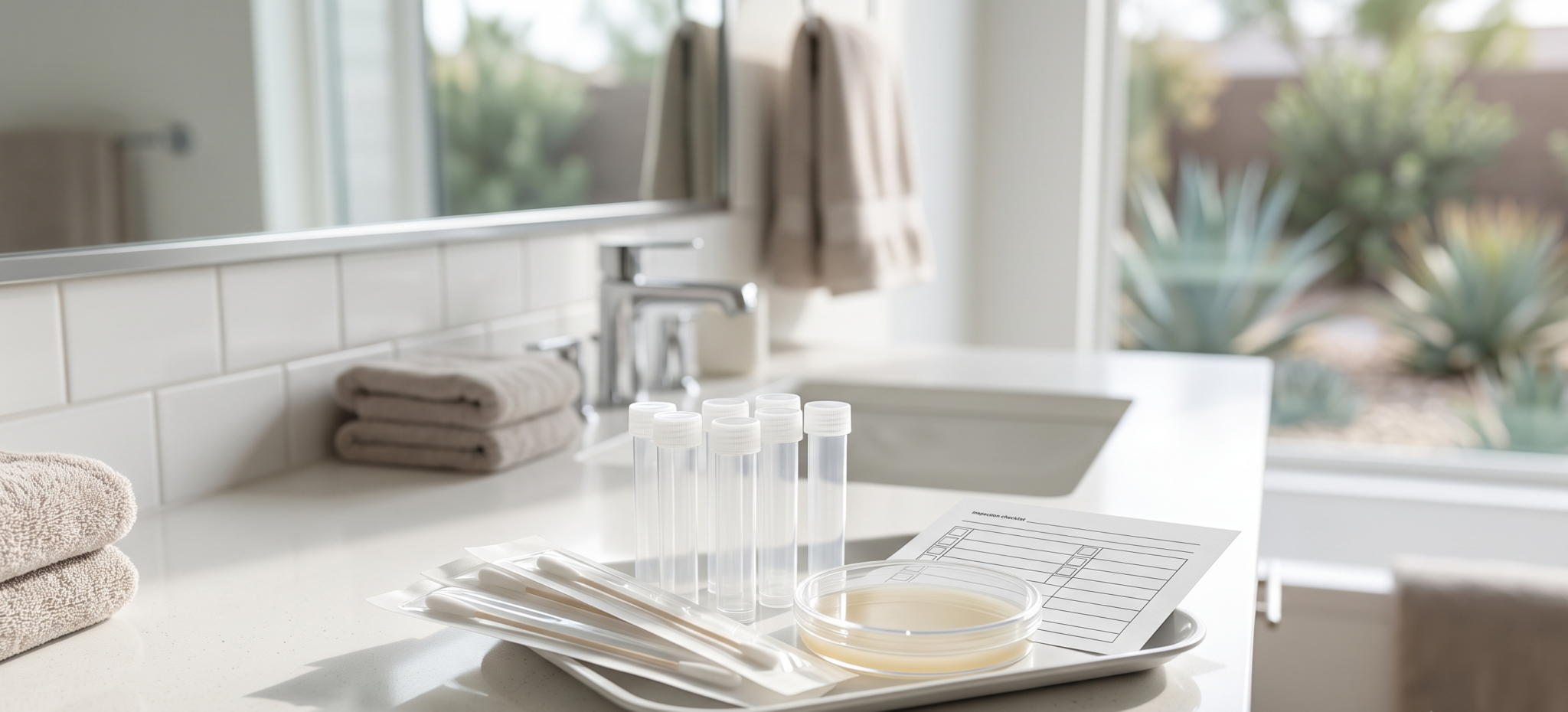
Our field-tested checklist is organized around the three areas where San Diego properties are most exposed: interior mechanics, the exterior envelope, and safety compliance.
Interior Systems and Mechanics
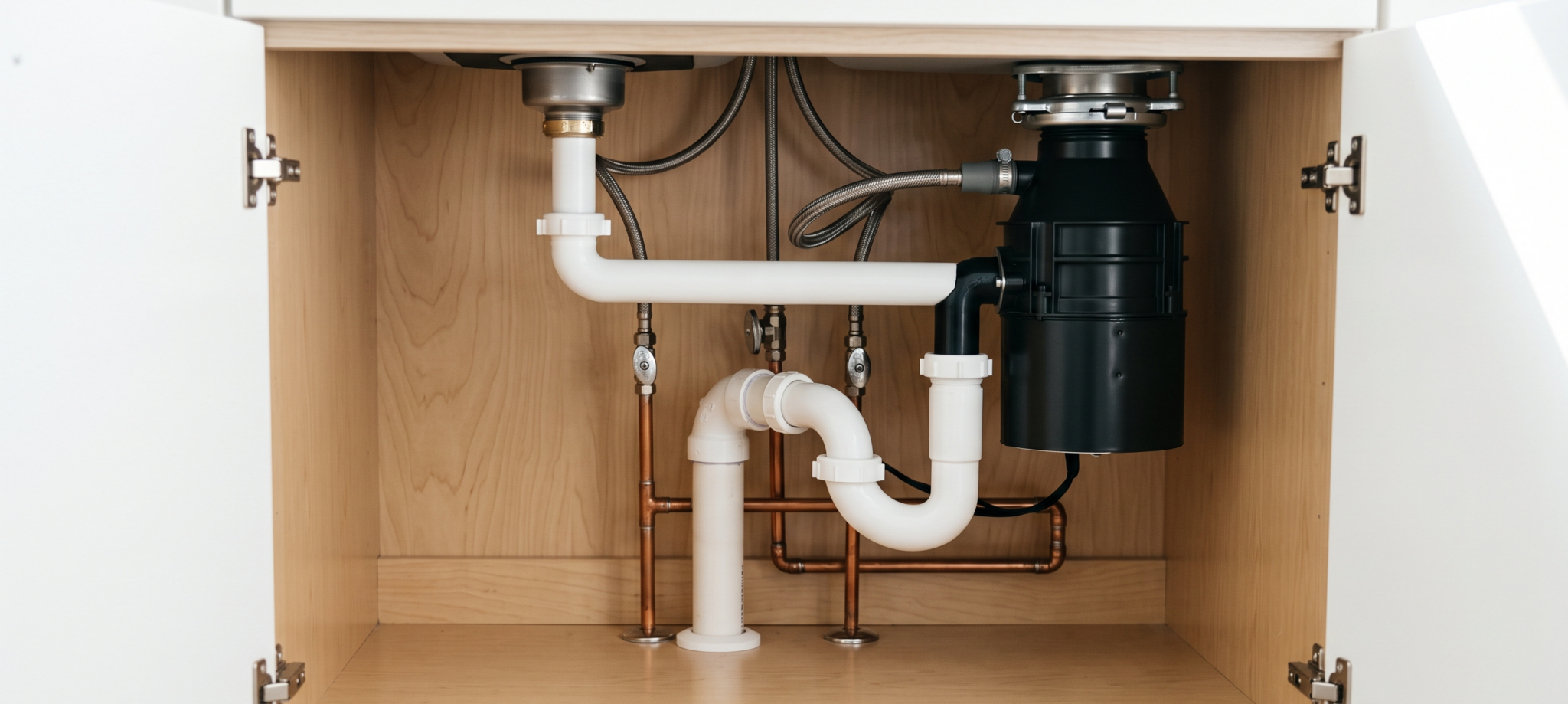
- Under-sink check: inspect supply lines and P-traps for moisture in all bathrooms and kitchens.
- Water heater flush: perform annual sediment removal to prevent tank failure.
- GFCI testing: verify all safety outlets in wet areas function correctly.
- Appliance seals: check oven and refrigerator gaskets for energy efficiency.
- Garbage disposal: inspect for leaks and ensure blades are clear of debris.
- Attic moisture scan: inspect for roof leaks or pest intrusion during winter months.
- Subfloor stability: check for bouncing or cracked grout indicating movement.
- Door thresholds: check weather stripping to prevent pest intrusion.
- Toilet flappers: inspect for silent leaks that drive up water bills.
- HVAC filter replacement: verify tenants replace filters every 90 days.
Exterior Envelope and Grounds
- Gutter cleaning: clear debris before the first Atmospheric River storm.
- Downspout extension: direct water at least 3 feet away from the foundation.
- Irrigation zone check: verify sprinklers are not hitting siding or stucco.
- Termite frass scan: look for signs of drywood termites on windowsills.
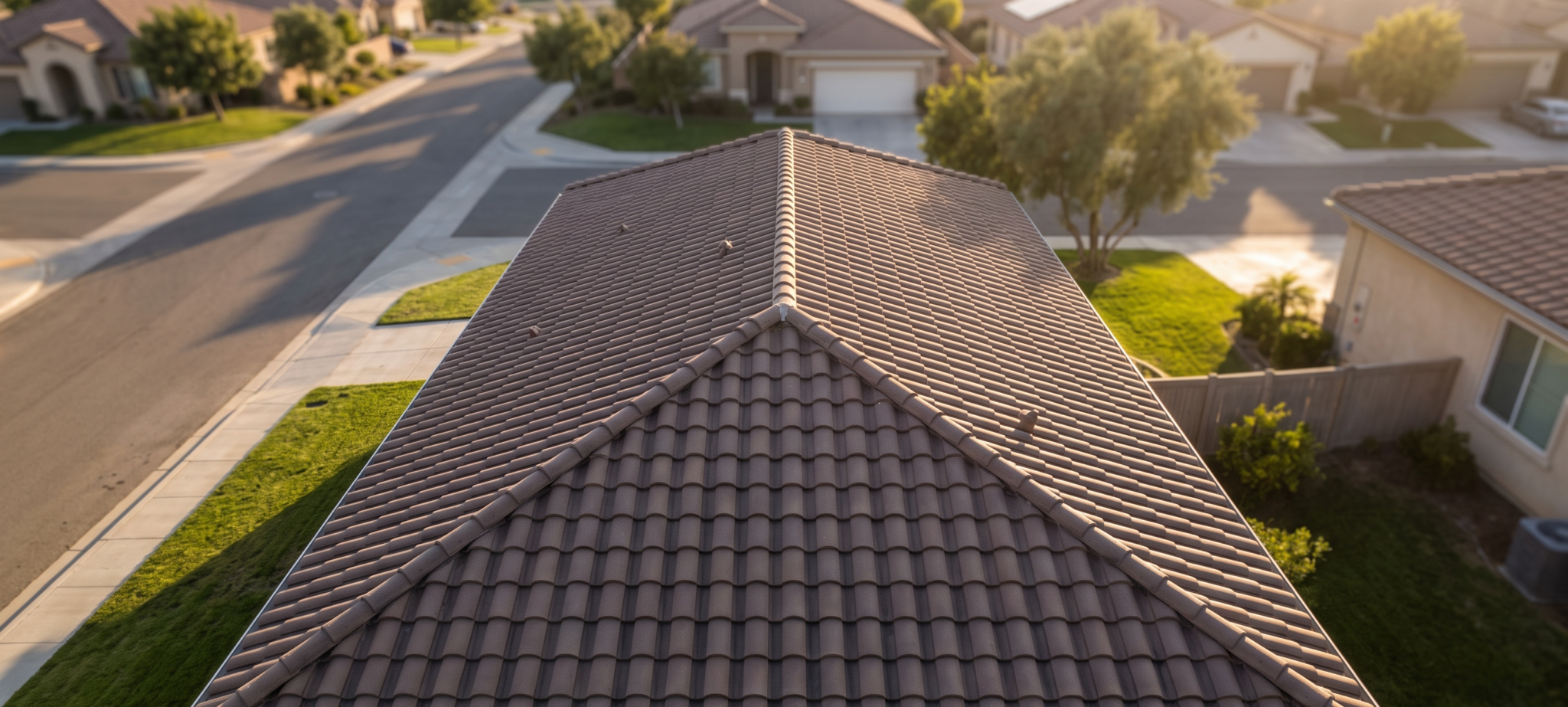
- Roof flashing: check for loose or damaged shingles and tiles before winter rains.
- Tree encroachment: trim branches 3 feet from the roofline to block rodent access.
- Foundation weep screeds: keep them clear of dirt so wall moisture can escape.
- Exterior paint audit: check for bubbling or peeling, especially on coastal properties.
Safety and Compliance
- Balcony/deck stability: inspect for wood rot or loose railings (SB 721 compliance).
- Water heater strapping: ensure double-strapping meets CA seismic code.
- Auto-reverse garage sensors: verify safety sensors stop the door if blocked.
- External security lighting: ensure all entries are well-lit for tenant safety.
- Smoke/CO detectors: test every unit and verify manufacture dates (replace every 10 years).
- Pest exclusion: seal any exterior penetrations (mouse-sized gaps).
- Deadbolt function: verify all exterior doors have functional 1-inch throw deadbolts.
For more context on how vacancy costs affect your bottom line, see our guide on the real cost of vacancy in San Diego rentals.
San Diego Maintenance Calendar (Month-by-Month)
Timing maintenance to San Diego’s seasonal rhythms - storm season, summer heat, and fire season - keeps costs predictable and prevents emergency call-outs.
January: Gutter clearing and roof flashing review (post-storm checks).
February-March: Interior plumbing audits and under-sink moisture checks.
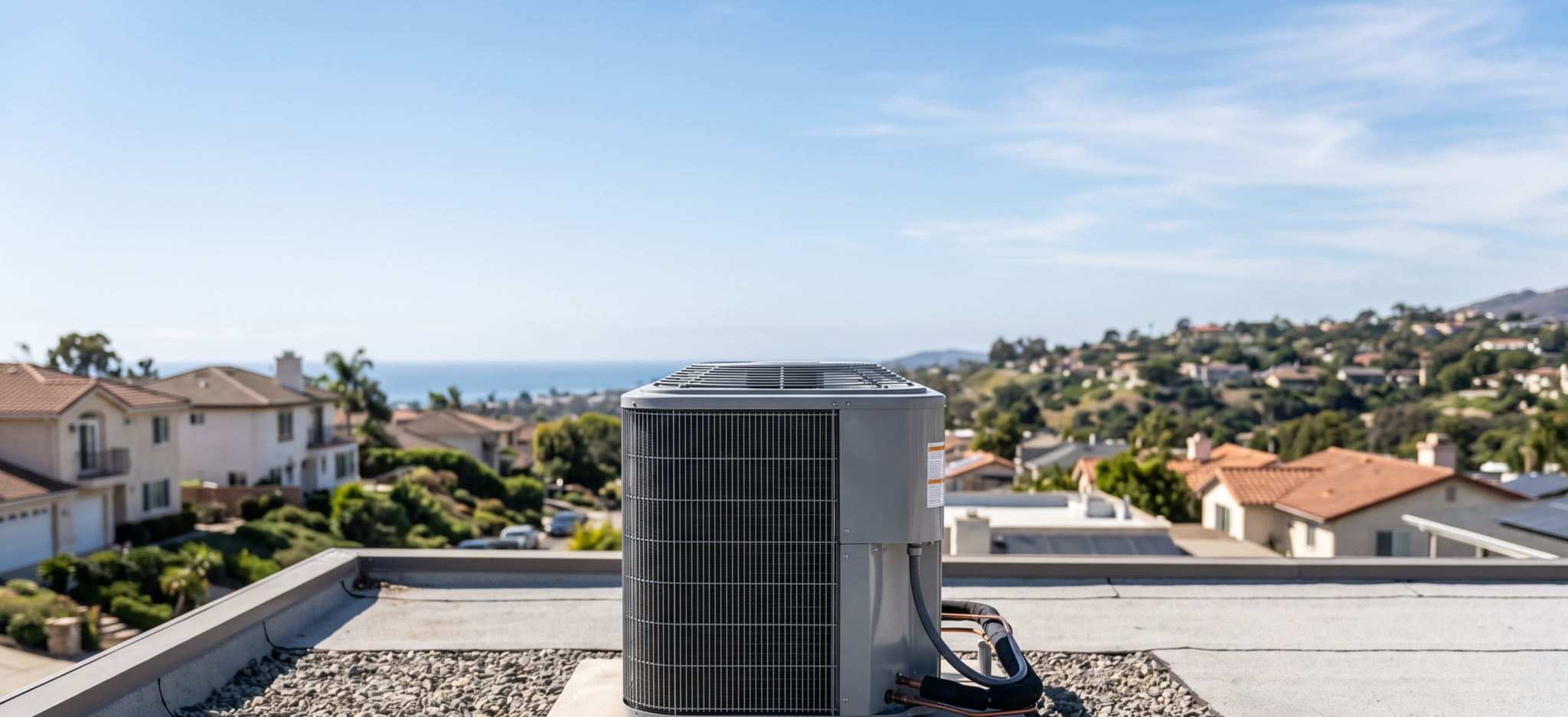
April-May: HVAC spring tune-up and condenser rinsing.
June: Coastal exterior fixture rinsing (salt-air mitigation).
July: Irrigation zone audits and timer adjustments for summer heat.
August: Termite visual inspections and perimeter pest barriers.
September-October: Furnace safety checks and weather stripping replacement.
November-December: Tree trimming and Defensible Space vegetation clearing.
Our Maintenance Coordination and Vendor Oversight
At Palm Tree Properties, we don’t just call a contractor. We manage a vetted network of licensed, bonded, and insured vendors - because the wrong vendor is a liability, not a convenience.
The CSLB Standard
In California, anyone contracting for work valued at $1,000 or more (combined labor and materials) must hold a valid license from the Contractors State License Board (CSLB). Using unlicensed handymen for critical systems like electrical or plumbing is a massive liability that can lead to insurance claim denials.
Insurance Risk Exposure
If your property is left uninspected for two years and a long-term water leak causes catastrophic mold, your carrier may deny the claim based on neglect. Most policies exclude damage from seepage occurring over 14 days or more. Our documented reports serve as your primary evidence of diligent management in an insurance dispute. Learn more about our full-service approach on our San Diego property management page.
Frequently Asked Questions
Can tenants withhold rent for maintenance in California?
What qualifies as an emergency repair?
Who pays for appliance repairs in a rental home?
Are landlords responsible for mold in San Diego?
How long do I have to fix a broken heater?
What is the average cost of a turnover in San Diego?
How long do I have to return a security deposit?
Next Steps: Secure Your San Diego Investment
Maintenance is the difference between a rental property that is a headache and one that is a performing asset. At Palm Tree Properties, we take the burden of coordination off your plate. Explore our San Diego property management services to learn how we protect your investment.
Contact Palm Tree Properties today to ensure your San Diego rental home is maintained to the highest operational standard.
Maintain Your San Diego Rental to the Highest Operational Standard
Contact Palm Tree Properties today and let our team turn maintenance from a liability into a competitive advantage.
Schedule a Free Consultation