The SB 721 balcony inspection deadline has now passed. As of January 1, 2026, California multifamily property owners were required to have completed their exterior elevated element inspections - and if you haven’t done so yet, you are already out of compliance. The good news is that a late inspection is still the right remedy, and getting one scheduled immediately is the most important step you can take right now.
This law applies to anyone who owns a residential building with three or more dwelling units that includes exterior elevated elements (EEEs) such as balconies, decks, stairways, walkways, or entry structures that extend six feet or more from the building and are elevated more than six feet above the ground. Miss the deadline and you could face fines of up to $500 per day, per deck, along with serious liability exposure if any structural problems go unaddressed.
Whether you missed the deadline by days or months, acting now is far better than continuing to wait. Let’s go over exactly what SB 721 requires, how we got here, and what you should do if your property still isn’t compliant.
Key Takeaways
- The SB 721 balcony inspection deadline of January 1, 2026 has passed; non-compliant California multifamily property owners face immediate fines.
- Fines for non-compliance can reach $500 per day, per deck, with multiple balconies creating multiple simultaneous violations.
- Only licensed structural engineers, architects, or certified building inspectors with relevant experience can legally perform SB 721 inspections.
- After completing the initial inspection, owners enter a mandatory six-year recurring inspection cycle, with records retained for 12 years.
- Inspection costs typically range from $200 to $800 per unit; insurance generally does not cover inspections or resulting repairs.
A Quick History: SB 721 and the AB 2579 Extension
Governor Jerry Brown signed SB 721 into law on September 17, 2018, following the tragic 2015 Berkeley balcony collapse that killed six people. The law established mandatory inspection requirements for exterior elevated elements on California multifamily residential buildings, codified under Health and Safety Code §17973.
The original compliance deadline was January 1, 2025. However, recognizing that the inspection industry was not yet equipped to handle the volume of buildings requiring inspection, the Legislature passed AB 2579 in 2024, extending the initial deadline by one year to January 1, 2026. That extension has now expired, and there are no further extensions currently on the table.
It is worth noting that SB 326, which applies to condominium associations, had its own separate deadline of January 1, 2025, with no extension granted. If you own a condo association property, that deadline passed a full year earlier.
What Does SB 721 Actually Require?
Here is a breakdown of the core requirements under SB 721 so you know exactly what compliance looks like:
- Who it applies to: Owners of multifamily residential buildings with 3 or more dwelling units that include exterior elevated elements extending six or more feet from the building face and elevated more than six feet above the ground.
- What gets inspected: Exterior elevated elements (EEEs) including balconies, decks, stairways, walkways, landings, and their associated waterproofing systems.
- Sample size: Inspectors must examine a minimum of 15% of each type of EEE at the property.
- Who can inspect: A licensed architect, licensed civil or structural engineer, or a certified building inspector with specific experience in EEE inspection.
- Inspection cycle: After the initial inspection, follow-up inspections are required every 6 years.
- Record retention: Inspection reports must be retained for a minimum of 12 years.
What Are the Repair Timelines?
If your inspection uncovers problems, SB 721 sets specific timelines for how quickly you must respond:
- Life-safety hazards: If the inspector identifies an immediate threat to safety, the inspector is required to provide written notice to the building owner within 15 days. The owner must immediately take action to restrict access to the affected area and begin emergency repairs.
- Non-emergency repairs: For issues that are not an immediate life-safety threat, owners have 120 days to apply for the necessary permit and an additional 120 days to complete the repairs once the permit is issued.
What Are the Penalties for Non-Compliance?
Failing to comply with SB 721 is not a minor oversight. Penalties can reach $500 per day, per deck, meaning that a building with multiple balconies or decks can accumulate fines very quickly. Beyond the financial penalties, failing to inspect and address structural issues creates serious liability exposure for property owners if anyone is injured as a result of a defective elevated element.
How Much Does an SB 721 Inspection Cost?
Inspection costs vary depending on the size and complexity of the property, the number and type of exterior elevated elements present, and the inspector’s qualifications and location. Generally, property owners should budget anywhere from a few hundred dollars for a small three-unit building up to several thousand dollars for larger complexes. Getting quotes from multiple qualified inspectors is always a good idea.
If You Haven’t Complied Yet, Here’s What to Do
If your property has not yet been inspected under SB 721, do not wait any longer. Here are the steps to take right now:
- Schedule your inspection immediately. A late inspection is still the correct remedy. Contact a licensed architect, structural engineer, or certified inspector with EEE experience and get on their calendar as soon as possible.
- Document everything. Keep records of when you scheduled the inspection and all communications with your inspector. This documentation may be relevant if you face any enforcement action.
- Act on the findings quickly. Once the inspection is complete, follow through on any required repairs within the timelines outlined above. Do not let the report sit on a shelf.
- Plan for your next inspection. Remember that SB 721 is not a one-time event. Once you complete your initial inspection, set a reminder for your next required inspection six years out.
The deadline may have passed, but getting compliant now is always the right move. The longer you wait, the greater your financial and legal exposure becomes. If you have questions about SB 721 compliance for your California multifamily property, reach out to our team - we’re here to help you navigate this process and protect your investment.
Your First Inspection and the Six-Year Cycle
The initial SB 721 inspection deadline was originally set for January 1, 2025. In 2024, the Legislature passed AB 2579, which extended that deadline by one year to January 1, 2026. That extended deadline has now passed. If you own or manage a multifamily building with three or more dwelling units that has elevated exterior elements such as balconies, decks, or exterior stairways, and you have not yet completed your inspection, you are currently out of compliance.
The correct course of action is straightforward: get the inspection done now. A late inspection is still the right remedy. Continuing to delay only increases your exposure to fines, which can reach up to $500 per day, per deck under SB 721. The sooner you schedule and complete the inspection, the sooner you stop the clock on potential penalties.
Once you complete your inspection, you will be placed on a six-year cycle from that point forward. Your six-year countdown begins from the date you actually finish the inspection, not from the January 1, 2026 deadline. If you complete your inspection in October 2026, your next inspection will be due by October 2032.

Many property owners ask whether newer buildings are exempt from this requirement. They are not. All multifamily residential buildings with three or more dwelling units that include qualifying elevated exterior elements are covered under SB 721, regardless of when the building was constructed. A building with a certificate of occupancy issued in 2025 carries the same inspection obligation as one built decades ago.
If your inspector identifies a life-safety hazard, the law requires written notice to be provided within 15 days of that finding. From there, you have 120 days to apply for a permit and an additional 120 days to complete non-emergency repairs. Emergency conditions that pose an imminent risk must be addressed immediately and access restricted until repairs are made.
Some owners completed voluntary inspections before SB 721 was fully finalized. If those inspections were conducted by a qualified inspector and the resulting reports meet every requirement outlined in the law, they may count toward compliance. However, most early inspections were not performed with SB 721’s specific standards in mind and are unlikely to satisfy the legal requirements without a formal review.
This cycle continues for as long as you own the building. There is no age threshold at which a property becomes exempt from future inspections. Any building with qualifying elevated exterior elements must remain on the six-year inspection schedule indefinitely.
What Buildings and Parts Need Inspection
California has a law on the books that says you need to have your exterior elevated parts checked if your building has three or more multifamily units. This means apartments and mixed-use buildings where residents live above retail shops or office spaces. Note that SB 326, which covers condominiums, carried a separate deadline of January 1, 2025, with no extension granted.
Most property owners miss the six-feet-above-ground requirement completely. Your second-floor balcony obviously counts since it sits well above that threshold. Third-floor walkways and exterior stairs that connect different levels work the same way.
You need to check the obvious places like balconies and decks, of course. Don’t miss the walkways that connect different sections of your building. Exterior corridors also need an inspection, and even those small landing areas right outside apartment doors count if they’re elevated and regularly exposed to weather.
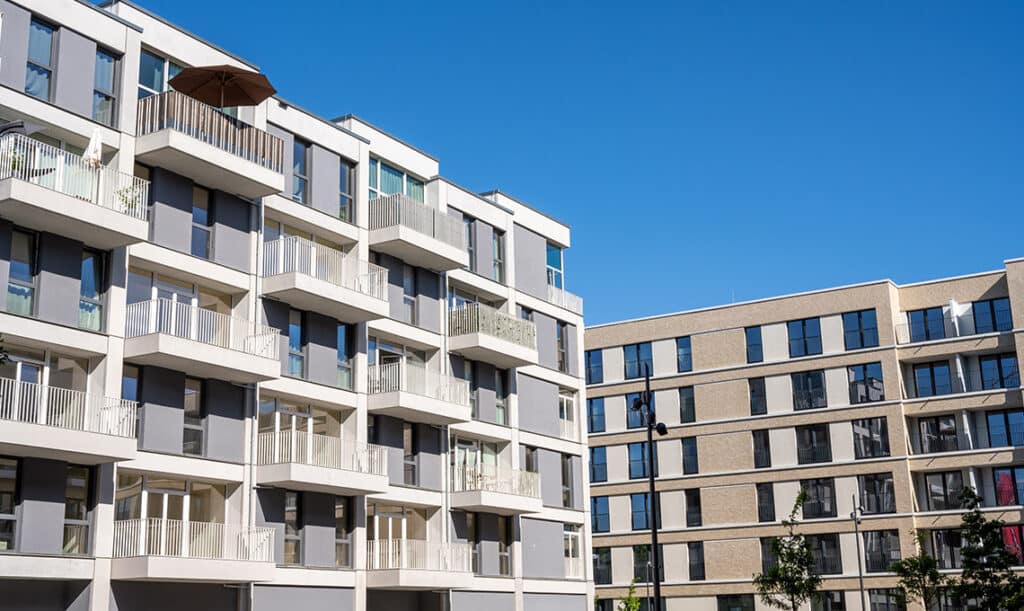
This whole process gets a bit tough because you also have to check parts you can’t actually see with your own eyes. Load-bearing elements hide behind stucco walls and underneath deck surfaces. They hold up the weight above ground level, and just because you can’t see any dry rot or damage doesn’t mean it’s not hiding somewhere.
Some property owners walk around their buildings and only look at the big, obvious balconies. It’s an expensive mistake. All exterior elevated elements need an inspection if they’re made of wood or have any wood components in their structure. Support posts and beams underneath also need to be checked. Keep in mind that inspectors are required to examine a minimum 15% sample of each type of exterior elevated element, and all inspection records must be retained for at least 12 years.
Want to go deeper on San Diego commercial real estate and investing? Listen to the EZ Deals Podcast, where Erik interviews top CRE brokers, investors, and lenders.
Metal railings attached to wood structures also fall under this law, which catches many owners off guard. Connections between different materials really need to be checked because water tends to collect right where wood meets metal or concrete. These transition points deteriorate faster than other parts and require careful inspection. If an inspector identifies a life-safety hazard, the law requires written notice to the owner within 15 days, with permits for non-emergency repairs to be applied for within 120 days and all such repairs completed within another 120 days after that.
Who Can Do These Inspections
California is pretty particular about who gets to check out your balconies and walkways. Only three specific types of pros actually know what they’re looking for when they look over these structures - the state has narrowed this work down to just them.
Licensed structural engineers can do these inspections, and architects can too, along with certified building inspectors who have the right credentials. Not every architect or engineer automatically qualifies for this type of work, and it takes people by surprise. They actually need lots of experience working with these particular building types and exterior structures.
California made these laws so strict in the first place because these experts know how water can work its way into wood structures and cause them to rot from the inside out, where you can’t see it happening. They know right where to look for those early warning signs that would slip right past everyone else. California put these laws in place after a few balcony collapses that could have easily been prevented if somebody qualified had been doing proper inspections.
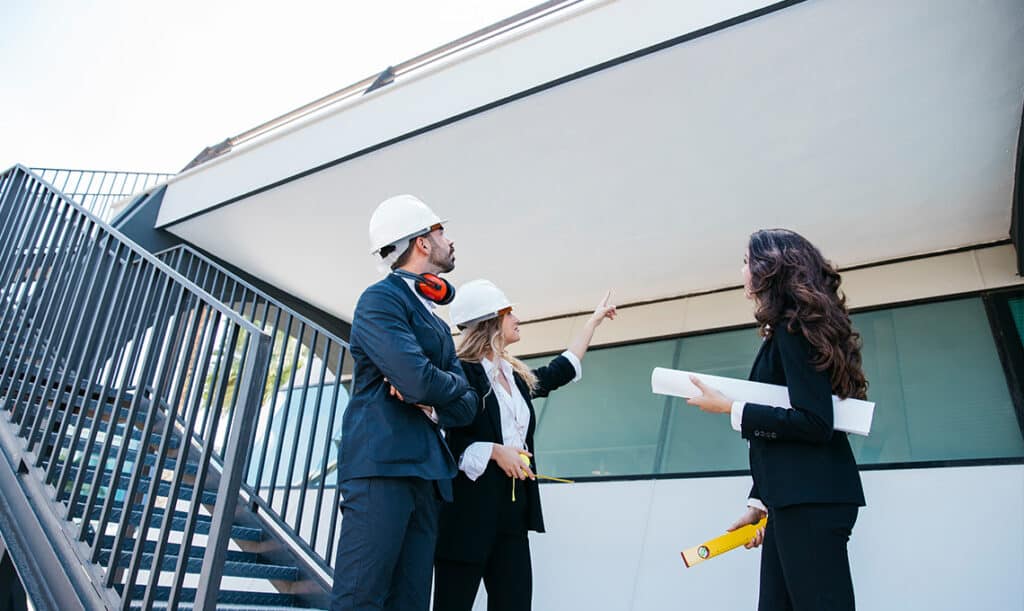
Your usual contractor, who already looks after your building, can certainly fix any problems that are found. They can’t actually perform the official inspection itself, though - that’s a completely separate job that needs those particular licenses we talked about earlier.
You want to make sure that anybody you hire for this job is qualified for the work. Ask to see their license number and then check it directly with the state board yourself. Find out just how many similar buildings they’ve looked at in the past. Make sure that they carry the right insurance for this work, too. Some inspectors spend most of their time working on single-family homes and won’t have much practical experience with apartment buildings and multi-unit properties.
If you haven’t completed your inspection yet, finding a qualified inspector quickly is more important than ever now that the January 1, 2026 deadline has passed. Non-compliance under SB 721 can result in fines of up to $500 per day, per deck, so every day without a completed inspection carries real financial risk. A late inspection is still absolutely the right remedy - getting one scheduled as soon as possible is the correct next step, even after the deadline.
When reaching out to inspectors, be upfront that you’re looking to resolve a missed compliance deadline. Some inspectors are prioritizing post-deadline work given the volume of buildings that still need to be seen, and being direct about your situation can actually help move things along faster.
The Long Wait for Balcony Inspections
The SB 721 compliance deadline of January 1, 2026 has now passed. That deadline was itself an extension - the Legislature originally set the deadline for January 1, 2025, but passed AB 2579 in 2024, pushing it out by one full year to give property owners more time to schedule inspections amid overwhelming demand. If your building still hasn’t been inspected, you’re now out of compliance, and the clock is ticking on potential fines.
The good news is that a late inspection is still the right move. Getting your building inspected now is far better than continuing to ignore the requirement. Fines under SB 721 can reach $500 per day, per deck, so every day without an inspection is a day of potential liability stacking up against you.
Once an inspection is completed and a problem is identified, the law sets specific timelines you need to follow. For life-safety hazards, your inspector must provide written notice within 15 days of the inspection. For non-emergency repairs, you then have 120 days to apply for a permit and an additional 120 days to complete the repairs. These timelines are not optional - staying on top of them after your inspection is just as important as getting the inspection done in the first place.
It’s also worth understanding the broader scope of the law so you know exactly what’s required going forward. SB 721 applies to multifamily residential buildings with 3 or more dwelling units, codified under Health and Safety Code §17973. The law covers exterior elevated elements (EEEs) - things like balconies, decks, stairways, walkways, and their associated waterproofing systems - that extend 6 feet or more above ground and are designed for human occupancy or use. After the initial inspection, the law requires follow-up inspections on a 6-year cycle. Inspectors must review a 15% sample of each type of EEE, and all inspection records must be retained for 12 years.
Inspections must be conducted by a licensed architect, civil or structural engineer, or a contractor holding specific license classifications - not just any general contractor. If you’re not sure whether your inspector qualifies, verify their credentials before booking.
Scheduling has loosened up compared to the frantic pace seen in 2024 and early 2025, when firms were booked out three to six months in advance and some stopped accepting new clients entirely. You should have an easier time finding availability now, though pricing for inspections varies widely depending on building size, location, and the number of EEEs involved. Don’t let easier scheduling lull you into further delay - the fines for continued non-compliance are real and can add up fast.
One important distinction: SB 721 covers rental multifamily buildings, while a separate law, SB 326, covers condominiums managed by HOAs. SB 326 had its own deadline of January 1, 2025, with no extension equivalent to AB 2579. If you own or manage a condo association and haven’t addressed SB 326 compliance, that situation is even more urgent.
If you’ve missed the SB 721 deadline, the path forward is straightforward: book your inspection now, document everything, and follow the repair timelines the law requires. Acting late is far less costly than not acting at all.
How Much Should You Budget for Inspections
Most building owners can expect to pay anywhere from $200 to $800 per unit for their SB 721 inspection. That’s admittedly a wide range, and the variation comes from several factors. Buildings with more stories always cost more because the inspection company has to bring in extra equipment just to reach those higher balconies safely. The total number of balconies, decks, and other elevated exterior elements also affects the final price.
Location makes quite a difference in what you’ll pay. Buildings in large metropolitan areas like San Francisco or Los Angeles almost always cost more to inspect compared to properties in smaller cities across California. Everything from labor costs to equipment rental runs higher in these markets. If your balconies are difficult to access or your building has unusual architectural features, you’ll likely pay closer to the higher end of the range.
If your inspector discovers problems - and many do find at least something - you’ll need to have extra money set aside for repairs. Most professional inspection reports categorize any issues found based on urgency and safety concerns. Life-safety hazards require written notice within 15 days of the inspection, with emergency repairs addressed immediately. For non-emergency repairs, you’ll have 120 days to apply for a permit and another 120 days to complete the work. This structure lets you prioritize the most urgent problems first while spreading out smaller repairs over a manageable timeline.

It’s natural to want to cut costs by going with the lowest bidder, but cutting corners here can backfire quickly. A discount inspector who rushes through your building might miss structural problems entirely. You could wind up with much larger and costlier issues down the road - along with significant liability exposure if someone is injured by something that should have been caught during the inspection.
Property owners do have some legitimate ways to bring down costs. Many find that bundling their SB 721 inspection with other needed building assessments saves money. If your building is also due for a roof inspection or seismic evaluation, it’s worth asking the same company about package pricing for multiple services. Given that the January 1, 2026 deadline is approaching, acting quickly is important - non-compliance fines can reach up to $500 per day, per deck, so delays only add to your total costs.
Unfortunately, insurance typically won’t cover these costs. Most insurance policies classify SB 721 inspections as routine building maintenance, placing them outside of standard coverage. Your insurer won’t pay for repairs that result from the inspection either, unless actual damage occurred from a covered incident such as a storm. Budget for both the inspection and any likely repairs as separate out-of-pocket line items in your maintenance planning.
Fines and Local Law Differences
SB 721 sets the baseline laws for California, but it’s just the starting point. Cities like Berkeley, San Francisco, and Los Angeles decided that the state laws weren’t tough enough, so they went ahead and created their own stricter versions. You have to follow the stricter ones when they conflict, and almost always, your local city ordinance ends up calling the shots.
The January 1, 2026 deadline has now passed. That deadline was itself an extension - the original SB 721 deadline was January 1, 2025, but in 2024 the Legislature passed AB 2579, pushing it back one year to give property owners more time to comply. That extra year is gone. If your building hasn’t been inspected yet, the correct move is still to schedule one as soon as possible. A late inspection is far better than no inspection, and getting into compliance now limits your exposure to ongoing fines and liability.
Missing the deadline can get expensive fast. Property owners face fines of up to $500 per day, per deck for each violation under state law. Multiple balconies mean multiple violations, and those day-by-day penalties start piling up faster than anyone expects. Fines aren’t the bigger financial problem, though - it’s the legal mess if anyone gets hurt on a balcony that should have been checked. Personal injury claims can very quickly reach six or seven figures and make those daily fines feel like loose change.

Property sales can get messy without SB 721 compliance paperwork. Banks and other lenders routinely ask for inspection reports as part of their approval process. Deals fall through, refinancing gets denied, and buyers walk away from otherwise solid properties when paperwork is missing. Real estate agents know this, and many won’t even list properties without up-to-date inspection certificates.
Building departments maintain detailed records of which properties need inspections and which owners are staying compliant. Tenant complaints can trigger investigations, and permit databases make it easy for officials to identify properties that should have been checked. Smaller buildings in quiet neighborhoods aren’t going unnoticed like some owners assume - it’s not a gamble worth taking, especially now that the deadline has passed and enforcement activity is likely to increase.
Enforcement typically starts with a formal notice of violation. If inspectors find a life-safety hazard, written notice must be issued within 15 days. From there, property owners have 120 days to apply for a repair permit and another 120 days to complete non-emergency repairs. Daily fines accumulate quickly for owners who continue to delay, and legal action remains a real possibility. Waiting for another legislative extension or a softening of the law is almost certainly wishful thinking at this point. The time to act is now.
FAQ
Has the SB 721 balcony inspection deadline passed?
Which buildings and building parts need an SB 721 inspection?
Who can perform an SB 721 inspection?
How much should owners budget for an SB 721 inspection?
What are the fines and consequences for missing the deadline?
Maximize Your San Diego Rental Property
SB 721 inspections can look like a big job, but they’re actually manageable once you handle them step by step. If you haven’t completed your SB 721 inspection yet, the deadline of January 1, 2026 has already passed - but the right move is still to act now rather than wait. Start by walking around your property and jotting down every balcony, stairway, and elevated walkway that needs an inspection. Once you have that list, start calling inspectors today. The longer you wait, the longer you’re exposed to fines of up to $500 per day, per deck, and the harder it becomes to get ahead of any repair timelines the law requires.
I’ve watched property owners dread these laws. Most of them end up caught off guard by how simple it becomes once they start. Whether you’re just now getting your inspection scheduled or you’re already working through repairs, a bit of planning and focused action makes the whole process manageable. Feeling confident that your property is safe, compliant, and protected makes the work you do now absolutely worth it. And remember - once you’ve completed this initial round, the next required inspection isn’t for another six years, so you can treat it as regular maintenance going forward.

At Palm Tree Properties, we stay ahead of regulations like these because it’s sound business and it’s great for residents. We help San Diego property owners with everything from routine maintenance to navigating complex legal requirements like SB 721, and we’re always focused on protecting your investment while helping it reach its full potential. We’d love to show you what your rental property could actually earn with management that takes care of all of this for you.
Get your free rental property evaluation now and see how we can improve your returns while taking the stress out of property ownership!