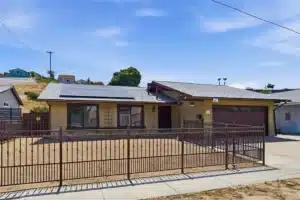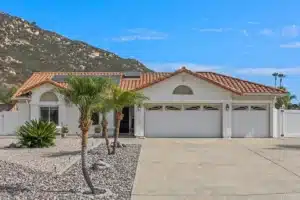
For a self-managed landlord in North Park, Pacific Beach, or Clairemont, a DIY showing is usually a reactive event squeezed into a lunch break or a Saturday morning. For a professional operator, leasing is a multi-channel marketing effort attached to a documented vetting system. The gap between a filled unit and a well-placed resident shows up later, in turnover costs, legal fees, and lost rent.
At Palm Tree Properties, we treat leasing as an operating discipline rather than a favor to a prospect. This guide explains where professional leasing outperforms DIY showings on speed, placement quality, and compliance, and where a DIY approach can still be defensible.
Owners who would rather hand the entire cycle to an operator can review how our San Diego property management team handles leasing, screening, and rent collection before deciding what to keep in-house.
Every Vacant Day Is Revenue You Can’t Recover
Let our San Diego leasing team price, market, and fill your rental with a documented process built to cut vacancy and legal exposure.
Schedule a Free ConsultationThe Financial Math of Vacancy
The single most expensive month in the life of an investment property is the month it sits empty. Vacancy is the one cost an owner can never recover later, because the calendar does not refund it and a future rent increase does not backfill it.
The DIY Tax
If your Carmel Valley or Scripps Ranch rental sits vacant an extra month because you are only available for showings on Saturday afternoons, you have not saved the leasing fee. You have paid for it several times over in lost rent, and that money is gone permanently.
Run the number on your own property rather than a market average. Take your monthly rent, divide by 30, and treat that figure as the daily cost of every additional day on market. For most San Diego single-family rentals, that daily number is large enough that a two or three week delay outweighs the entire cost of professional placement.
Multiply that daily loss by every extra day on market - a two or three week delay often outweighs the entire cost of professional placement.
Lead Response and Showing Velocity
Serious renters in San Diego move quickly and shop several properties at once. When a prospect inquires about a home in University City or La Jolla at 10:00 AM on a Tuesday, the listing that responds within minutes with a pre-screening link is the listing that gets the tour.

A DIY landlord who checks email after work at 6:30 PM is often responding to someone who has already booked three other tours. Professional leasing systems answer inquiries the same hour, seven days a week, and route qualified prospects into a scheduled showing before interest cools. Speed of response is the least glamorous advantage in leasing and one of the most reliable.
Professional Leasing Strategy by San Diego Property Type
Marketing a condo in Downtown San Diego requires a different tactical approach than leasing a detached home in Rancho Bernardo.
In neighborhoods like Poway and Carmel Mountain, the target is the stability-first household: families looking for multi-year residency aligned with school districts. Leasing copy and photography should emphasize the features that hold that demographic, including fenced privacy, storage, updated systems, and a maintenance profile suited to coastal air.
Leasing a unit in Mission Valley or East Village means navigating move-in fees, parking assignments, elevator reservations, and association approval steps. A leasing agent who coordinates with the HOA in advance keeps the owner from being fined for an unauthorized move-in or a gate violation, and keeps the resident’s first week from turning into a complaint.

For duplexes in City Heights or North Park, neighbor compatibility matters, but it has to be evaluated through lawful, written criteria rather than instinct. That means consistent standards on income, rental history, and lease compliance applied identically to every applicant, documented the same way each time.
Near Point Loma and Miramar, the military PCS cycle is a primary demand driver. That means listing where relocating servicemembers actually search, including the Automated Housing Referral Network, and understanding how a Basic Allowance for Housing figure factors into total verified income.
Marketing Depth: Beyond the Single-Portal Upload
A common DIY mistake is relying on one platform. Renters are fragmented across multiple apps, social feeds, and specialized portals, and a single-site listing simply does not reach the full pool.
Access control is the part owners should scrutinize. A defensible self-showing system verifies identity before issuing a one-time code, logs exactly who entered and when, and keeps that audit trail available afterward. Handing out a lockbox code over text does not meet that standard.

Wide Syndication Has a Downside Owners Should Plan For
Scammers copy photos, descriptions, and virtual tours from real listings, swap in their own contact details, and repost the property elsewhere to collect deposits from applicants who never get keys. The Federal Trade Commission’s guidance on rental listing scams describes exactly this pattern, including cloned listings and fabricated addresses.
For an owner, the practical consequence is that unmonitored listings attract fraud that lands on your doorstep, sometimes in the form of a stranger who believes they have already rented your home. Professional leasing includes monitoring where the listing appears, responding to copycat posts, and controlling how applicants are told to pay.
Compliance: The Casual Conversation Problem
A casual comment during a DIY showing is one of the more expensive things an owner can say out loud. Fair housing claims frequently start with an offhand remark at a tour, not with a written policy.
Independent landlords often create exposure by stating a preference. Saying you prefer working professionals, or that you do not take Section 8, is not a screening standard. Under California law, source of income is a protected characteristic, and the California Civil Rights Department’s housing discrimination guidance states plainly that Housing Choice vouchers and Social Security disability benefits count as source of income, and that advertising a preference such as “no Section 8” is prohibited. That guidance also notes that even owners exempt from certain rules still cannot make, print, or publish discriminatory statements or advertisements.
You may still decline an applicant on lawful, consistently applied criteria such as verified income relative to rent, credit history, or documented rental history. What you cannot do is treat the voucher itself as the disqualifier, or improvise the reason in conversation. Professional leasing agents work from standardized scripts and written scoring criteria for that reason. Our guide to fair housing for San Diego landlords walks through the specific statements that create liability during showings and advertising.
California now limits residential security deposits for most tenancies to one month’s rent, with a narrow exception for certain small landlords who own a limited number of properties. The practical rule for most owners is simple: do not improvise a higher deposit because of an applicant’s credit, pets, or income profile. Confirm the current limit and any applicable exception before you set the number, and put it in the lease rather than negotiating it at the door.
Deposit disputes are also where sloppy leasing shows up later. A court can award additional damages where it finds a landlord retained a deposit in bad faith, and the owner’s best protection is documentation created at move-in rather than argument created at move-out.
California caps what a landlord may charge an applicant for a screening fee, limits it to actual costs, and requires the unused portion to be refunded. The cap is adjusted over time, so the figure you used two years ago may not be the figure you can charge today. Verify the current amount before you collect anything, and give applicants the receipt and documentation the statute requires.

A professional leasing service does not just find a tenant, it delivers a lease package that survives scrutiny. In the City of San Diego, the Residential Tenant Protections Ordinance requires just cause to terminate a tenancy and requires landlords to give tenants written notice of the rent increase limits under state law and of the requirement that any termination notice state a cause. For new tenancies, that notice belongs in the lease itself. Properties exempt from the statewide rent cap under AB 1482 also need the exemption notice served correctly, or the exemption may not be available when you need it.
Missing paperwork rarely hurts on day one. It hurts eighteen months later, when you want to raise rent or regain possession and discover the file does not support it.
Owners frequently hand keys, rent, and applicant data to whoever answers the phone first. In California, a person managing and leasing residential property for an owner generally has to hold an active Department of Real Estate license, and the DRE’s quick guide for landlords hiring a property manager tells owners to confirm license status, check whether a salesperson works under a broker, and look for prior discipline before signing anything. That check takes a few minutes and is the cheapest due diligence in this entire article.
Is Your Lease and Application Actually Compliant?
We review deposit limits, screening fees, and San Diego disclosures so a casual mistake doesn’t surface eighteen months from now.
Schedule a Free ConsultationCase Study: The Clairemont Three-Bedroom Turnaround
The property: a detached 3BR/2BA home in Clairemont.
The DIY performance: the owner listed on Craigslist and one consumer portal. Over 30 days he held four showings and missed three other inquiries while at work. No qualified applicants resulted.
The intervention:
Marketing reset with professional photography and a video tour.
Pricing adjusted upward by $300 based on leased comparables. The owner had been under market.
Property leased in 12 days on market after the reset.

The result: an 18-month lease signed by a qualified applicant, and roughly $3,600 in additional annual revenue, while the daily vacancy loss stopped.
When DIY Leasing Might Make Sense
We advocate for professional process, but there are scenarios where a DIY approach is defensible:
If you live on the property, such as an ADU or one half of a duplex, and you have real working knowledge of California landlord-tenant law.
Where a leasing fee is disproportionate to the asset’s total risk, though even here a single eviction can erase years of profit.
The Professional Leasing Timeline
A DIY landlord hopes to find someone. A professional operator works a schedule. A disciplined three-week cycle generally looks like this:
Confirm rent-ready condition, set price against leased comparables, shoot photography and video, and build the listing.
Syndicate broadly, respond to inquiries within the hour, and run identity-verified showings across extended hours.
Process applications against written criteria, verify income and rental history, and complete landlord references.
Execute the lease with required disclosures, collect funds, complete the photo-documented move-in inspection, and confirm utility transfers before key exchange.

If a property is past day 21 with no signed lease, the issue is almost always price, photography, or response time, in that order.
Professional Leasing vs. DIY Audit Checklist
Use this to determine whether your current process is an asset or a structural liability.
Marketing and Positioning
- Photography shot with proper wide-angle lenses and lighting
- Video walkthrough available to reduce unqualified foot traffic
- 3D tour so prospects can walk the home digitally before visiting
- Rent set from leased comparables within roughly a one-mile radius
- Listing description written with genuine local detail, not filler
- Property listed on the Automated Housing Referral Network where military demand applies
- Paid social distribution running behind the vacancy
- Listing monitored for cloned or fraudulent reposts
Operations and Access
- Inquiries answered within the hour, seven days a week
- Prospects pre-screened on income and pet policy before receiving access
- Identity-verified smart-lock self-showing available
- Showings possible across extended hours without owner presence
- Tour feedback requested the same day
- Application available on a mobile-friendly portal

Screening and Vetting
- Submitted documents checked for alteration, including document metadata review
- Income verified through payroll or bank connection rather than emailed PDFs alone
- Reserves and payment capacity assessed against a written standard
- Multi-state eviction and public records search performed
- Last two landlords contacted to verify payment and lease compliance
- Source of income treated as protected, including vouchers and Social Security benefits
- Assistance animal documentation reviewed against current California requirements
Legal and Closing
- Written scoring sheet used so decisions are not subjective
- Lease clearly states AB 1482 status and serves the exemption notice where applicable
- San Diego tenant protection notice included in the lease for new tenancies
- Security deposit set at the current legal limit, not negotiated at the door
- Screening fee at or below the current statutory cap, with receipt and refund of the unused portion
- Lease executed through an encrypted electronic signature platform
- Tenant consent obtained in the lease for any electronic handling of deposit funds or notices
- Photo-rich move-in condition report signed by the resident
- Water and SDG&E transfers verified before key exchange
- Final file reviewed for fair housing consistency
- Unit occupied promptly after lease signing
Not Sure Where Your Process Stands?
We’ll audit your current listing, pricing, and lease against this checklist and tell you exactly what’s costing you time on market.
Schedule a Free ConsultationFrequently Asked Questions
How long does it take to rent a house in San Diego professionally?
What does tenant placement cost in San Diego?
Do leasing agents guarantee the rent?
Who pays for the marketing costs?
Can you evict if a tenant lies on their application?
What happens if a tenant breaks the lease early?
Is professional leasing worth it for a single property?
How do you handle out-of-state applicants?
Can I charge a leasing fee to the tenant?
Does a leasing agent help with the move-in inspection?
Can I refuse a Section 8 applicant?
How do you verify an emotional support animal request?
What is the fast-response rule?
How do you handle self-showing security?
What documentation is required for Section 8?
Next Steps: Close the Vacancy Gap
Every day your property sits unleased is revenue you do not get back. If you are currently vacant or fielding unqualified leads, the process is the problem, not the market.
Three places to start:
We will analyze your current listing and tell you why it is not converting.
We evaluate condition and price against current leased data rather than asking prices.
Confirm your lease and application meet current deposit, screening fee, and San Diego disclosure requirements before your next move-in.
Placement is only half the job. Collections are where a tenancy either performs or unravels, and our approach to rent collection and delinquency prevention in San Diego is built to keep a well-placed resident paying on schedule.
Contact Palm Tree Properties to have your San Diego rental leased with the discipline the asset deserves.
Close the Vacancy Gap on Your San Diego Rental
Have your property leased with the discipline the asset deserves - professional marketing, documented screening, and compliant paperwork from day one.
Schedule a Free Consultation