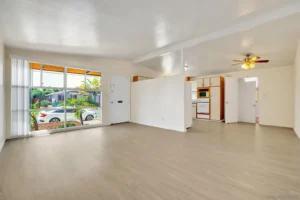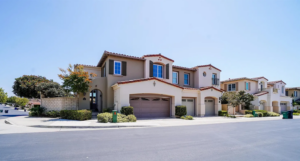
The rental inspection process San Diego landlords must follow is governed by strict California statutes and local habitability standards. At Palm Tree Properties, we view inspections as the cornerstone of risk mitigation. Without a systematic approach to evaluating property condition, owners are exposed to undetected water damage, unauthorized occupants, and liability risks that can result in five-figure losses.
Effective residential property management requires a disciplined schedule of inspections to ensure lease compliance and protect the long-term structural integrity of the asset. Our routine maintenance program integrates inspection findings directly into our preventative maintenance calendar.
Protect Your San Diego Rental With a Disciplined Inspection Program
Our routine maintenance program integrates inspection findings directly into a preventative maintenance calendar - catching five-figure problems while they are still small.
Schedule a Free ConsultationWhy the Rental Inspection Process in San Diego Is Critical
In a competitive market like San Diego, deferred maintenance is the fastest way to erode your ROI. Minor issues - a slow leak under a kitchen sink, a flickering GFCI outlet, or a loose roof shingle - rarely stay minor. In the coastal San Diego climate, high humidity and salt air can turn a small leak into a major mold remediation project in a matter of weeks.
Professional inspections serve three primary purposes:
- Documentation for security deposits: Under California law (Civil Code 1950.5), you cannot legally deduct for damages without clear evidence of the property’s condition at move-in and move-out.
- Habitability compliance: California Civil Code 1941.1 mandates that a property be fit for human occupation. Regular checks ensure you are meeting these legal standards.
- Lease enforcement: Inspections are the only way to verify that a tenant is following lease terms regarding pets, smoking, and the number of occupants.
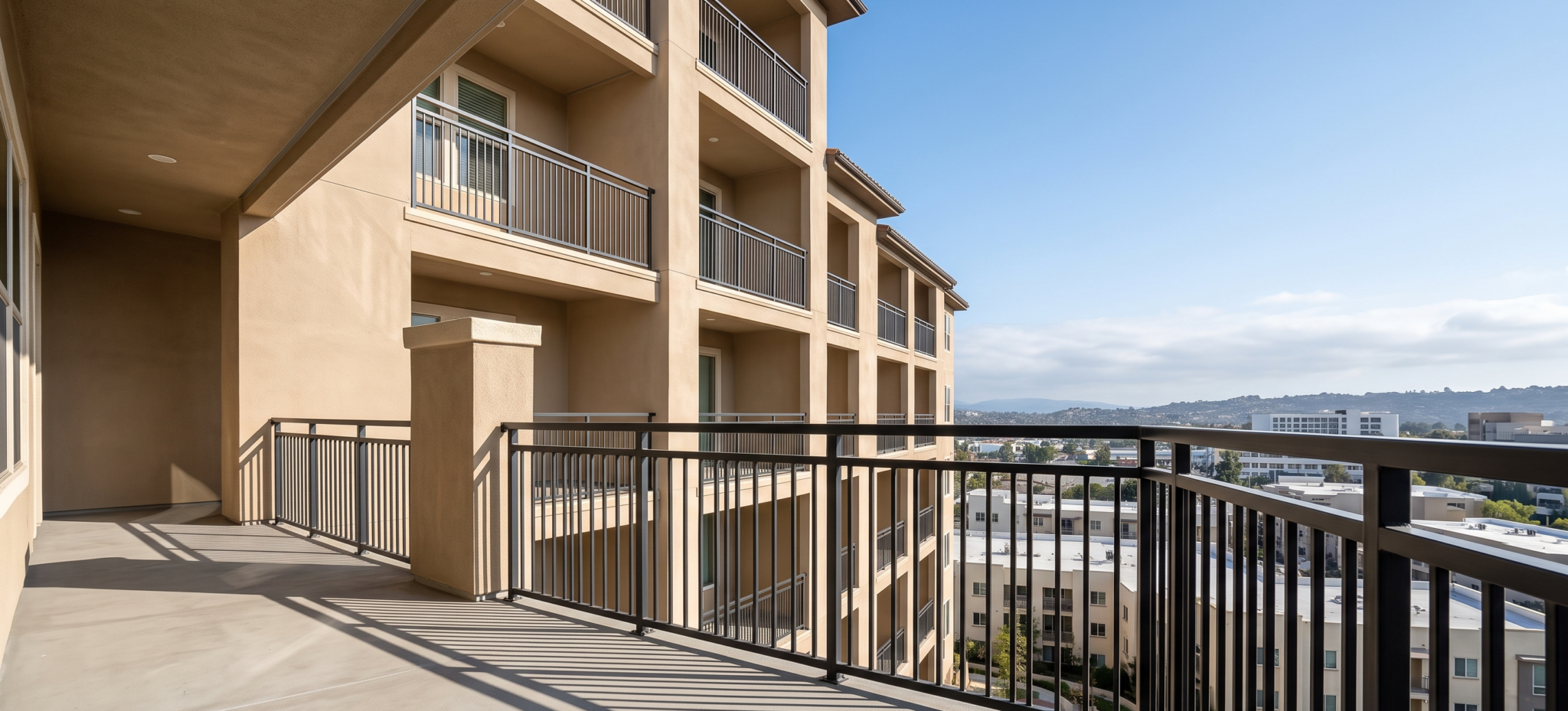
The Four Pillars of the Inspection Lifecycle
We categorize the rental inspection process San Diego investors follow into four distinct phases. Each phase serves a specific strategic goal in the management of your asset.
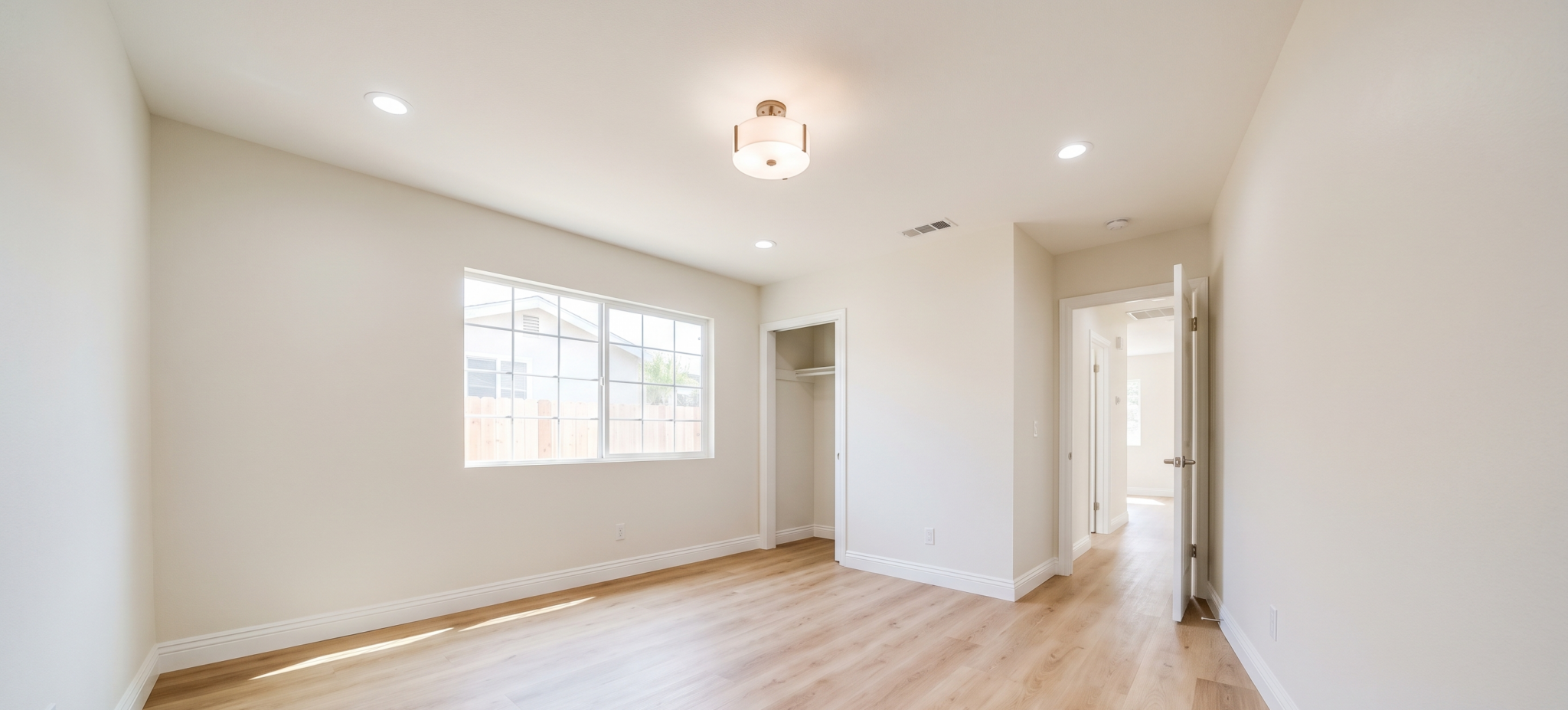
Complete 30-Point San Diego Rental Inspection Checklist
A thorough inspection covers both the interior and the exterior of the property. Below is the field checklist our managers work through on every San Diego asset.
Interior Checklist
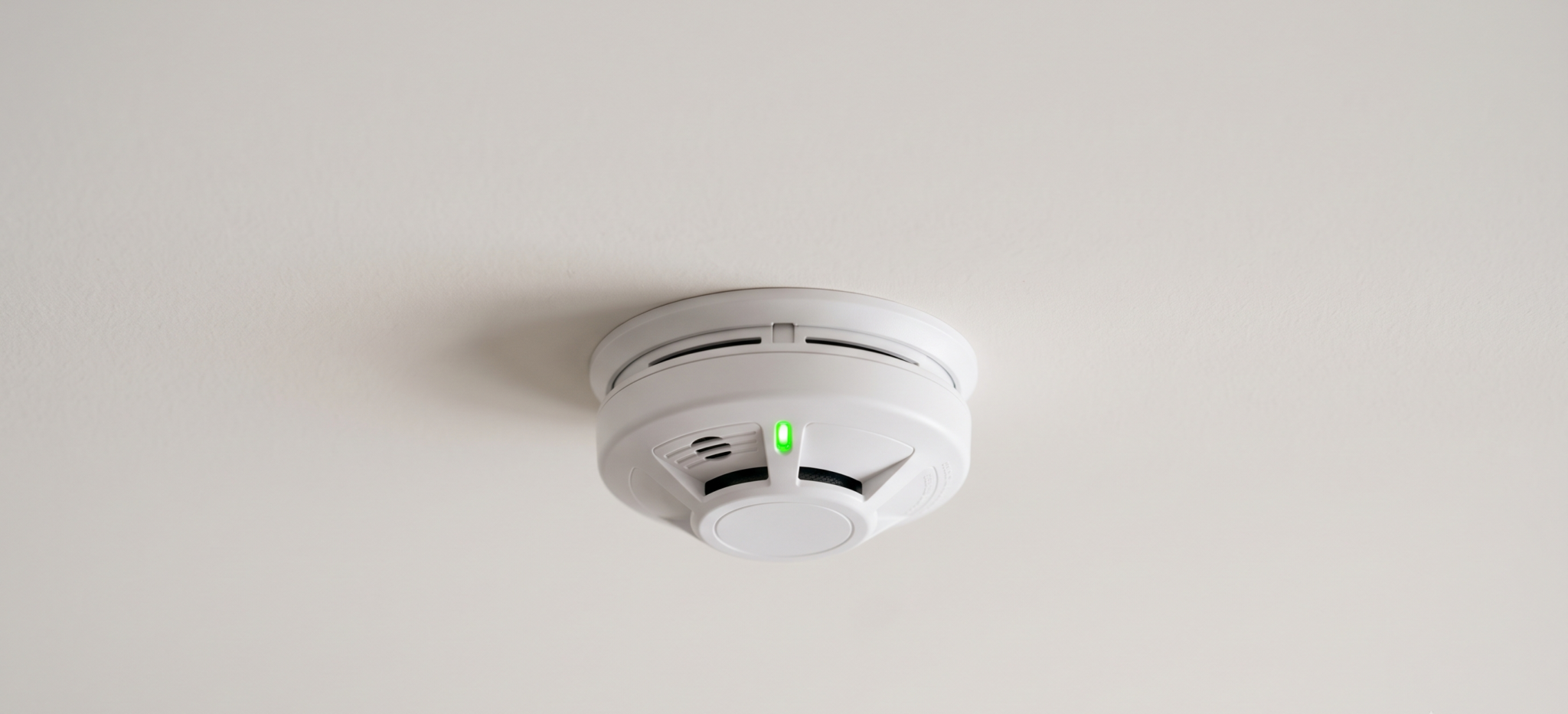
- Smoke and CO detectors: Functional on every floor and in every bedroom.
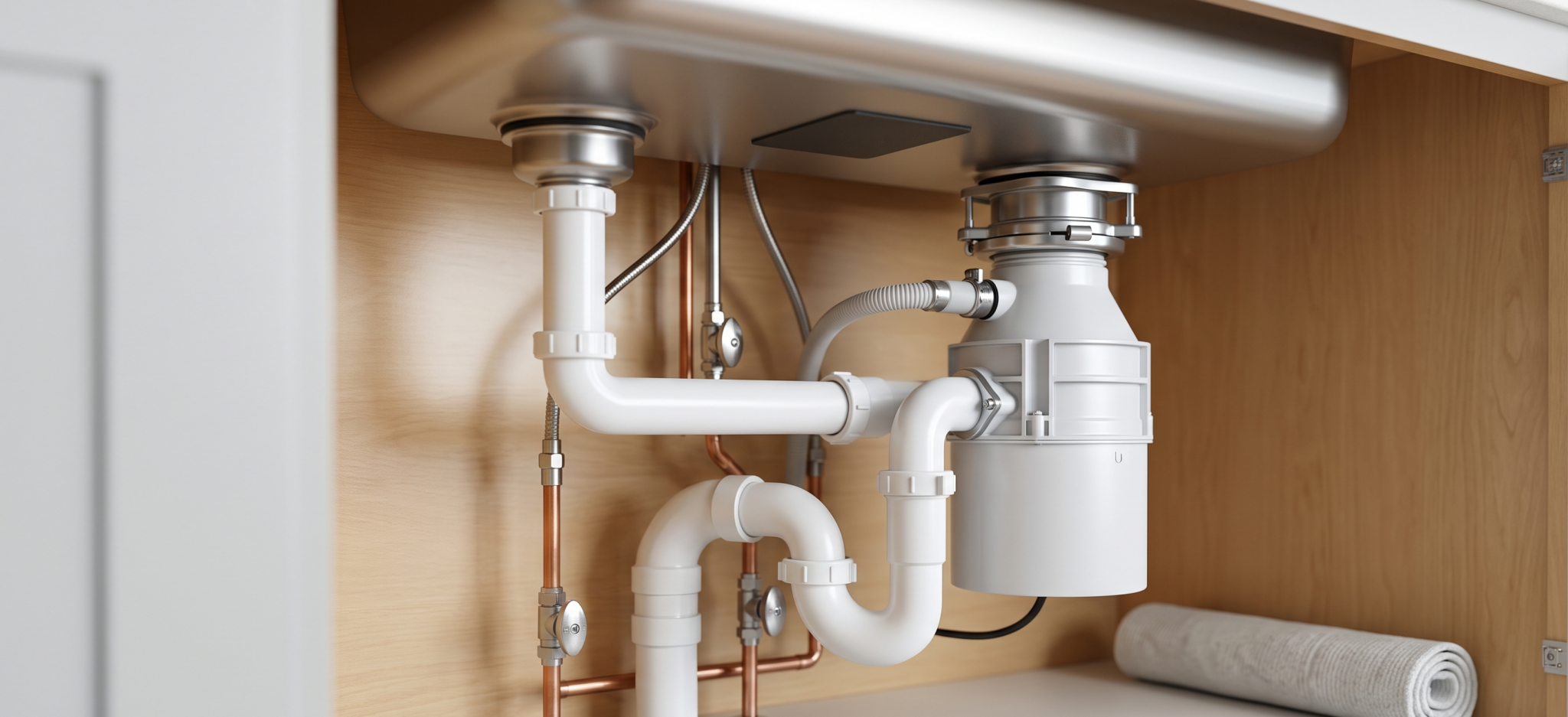
- Plumbing pressure: Check for silent leaks under all sinks, behind toilets, and at the water heater.
- GFCI outlets: Test all safety outlets in kitchens, bathrooms, and garages.
- Appliance function: Verify dishwasher, stove, and microwave seals; test the garbage disposal.
- HVAC filters: Check for cleanliness and verify the unit is cycling correctly.
- Window tracks and screens: Ensure they are clear of debris, locks are operational, and screens are intact.
- Door hardware and weather stripping: Check for loose handles, deadbolt function, and threshold seals.
- Cabinet hinges and sub-sink surfaces: Verify alignment and check for water damage in kitchen and bath cabinetry.
- Caulking and grout: Inspect for gaps in tubs and showers that lead to wall-cavity mold.
- Flooring and baseboards: Document new stains, excessive wear, or baseboard swelling (a sign of leaks).
- Attic moisture scan: Check for signs of roof leaks or pest intrusion.
- Wall condition: Note any new holes or unauthorized paint.
- Water heater pressure relief valve: Ensure the discharge line is properly directed.
- Subfloor and tile stability: Check for bouncing or cracked grout indicating movement.
- Closet track alignment: Verify sliding doors operate smoothly without jumping tracks.
Exterior Checklist
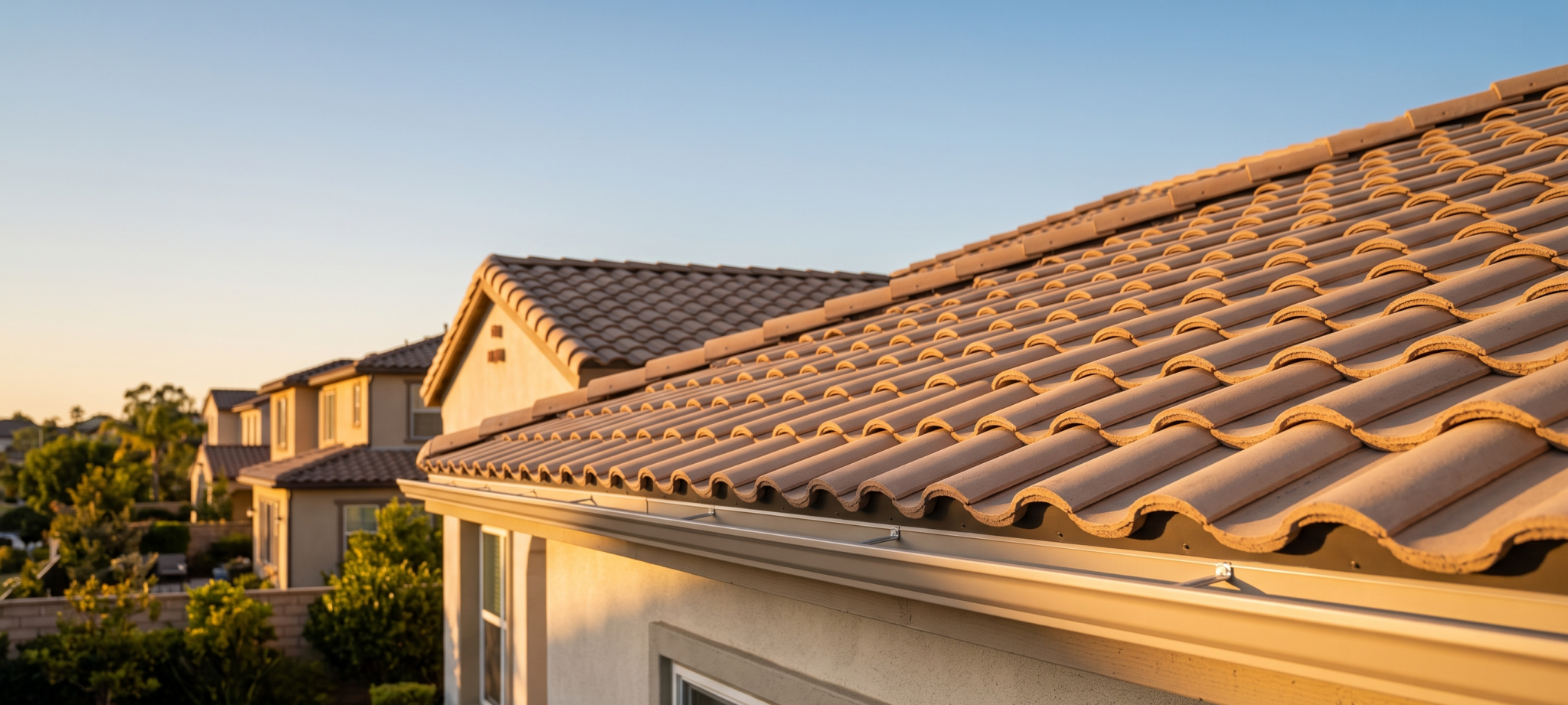
- Roof and flashing: Check for signs of movement, loose shingles, or debris before the rainy season.
- Gutter slope and downspouts: Ensure gutters are clear and water flows away from the foundation.
- Irrigation overspray: Verify sprinklers are not hitting the siding (a major cause of stucco failure).
- Foundation weep screeds: Ensure they are clear of dirt so moisture can escape the walls.
- Garage safety sensors: Test the auto-reverse function on garage doors for liability protection.
- Fence and gate stability: Check for leaning or rotted posts, especially in high-wind and coastal areas.
- Water heater strapping: Verify double-strapping for seismic code compliance.
- External lighting: Ensure all security lights are functional for tenant safety.
- Stucco and paint: Map any new cracks or bubbling from salt-air corrosion.
- Crawlspace ventilation: Ensure vents are clear of obstructions and screens are intact.
- Landscape drainage: Check for soil erosion or water pooling near the slab.
- Deck and railing stability: Verify that structural railings are secure and meet safety codes.
- Pest exclusion points: Inspect for holes that could allow rodents into the structure.
- Utility meter access: Ensure meters are clear of overgrown foliage.
- Defensible space: Verify vegetation is trimmed back from the structure (wildfire safety).
Inspection Frequency by Property Type
How often you inspect depends on the asset. The table below outlines the recommended cadence for the property types we manage across San Diego.
| Property Type | Recommended Interior Frequency | Exterior / Common Area Frequency |
|---|---|---|
| Single-Family Home | Semi-Annual (6 months) | Quarterly |
| Small Multifamily (2-4) | Semi-Annual | Monthly |
| Condo | Annual (coordinated with HOA) | N/A (HOA Managed) |
| Section 8 (HQS) | Annual (Mandatory) | Annual |
| Portfolio Assets | Semi-Annual (Staggered) | Quarterly |
The Financial Risk of Skipping Inspections
Skipping an inspection might seem like a way to stay out of the tenant’s way, but it is an expensive gamble. In San Diego, the costs of neglect escalate quickly.
| Risk | Unmanaged Property (No Inspections) | Palm Tree Managed (Regular Inspections) |
|---|---|---|
| Undetected Slab Leak | $12,000+ in foundation/flooring damage | Caught early via moisture meter ($500 repair) |
| Coastal Mold Growth | $2,000-$7,500 remediation cost | Identified via bathroom ventilation check |
| Foundation Settlement | $15,000+ for underpinning | Caught early via drainage correction ($1,500) |
| Security Deposit Dispute | $5,000 Small Claims loss (no photos) | Defended via HD move-in/move-out reports |
For additional context on how move-out documentation protects owners, see our guide on the tenant move-out process in San Diego.

Turn Inspection Data Into Documented Risk Defense
Our cloud-based, high-definition move-in and move-out reports are the evidence adjusters and small-claims courts ask for first. Let us build that record for your portfolio.
Schedule a Free ConsultationInsurance Risks: Why Your Carrier Cares
Many landlords are unaware that their insurance coverage often hinges on reasonable care. If a property is left uninspected for two years and a long-term water leak causes catastrophic mold, your carrier may deny the claim based on neglect.
- Long-term leak exclusion: Most policies exclude damage caused by seepage or leaks occurring over a period of 14 days or more.
- Vacancy clauses: If a property sits vacant for more than 30-60 days without an inspection, coverage for vandalism or water damage may be suspended.
- Documentation as defense: When a claim is filed, the first thing an adjuster asks for is maintenance and inspection records. Our cloud-based reports serve as your primary evidence of diligent management.
Navigating California Entry Laws (Civil Code 1954)
A major point of friction for self-managed landlords is the legal requirement for entry. Under California Civil Code Section 1954, a landlord must provide at least 24 hours of written notice before entering for a reasonable purpose.
A landlord must provide at least 24 hours of written notice before entering for a reasonable purpose, and entry must occur during normal business hours (typically 8 AM to 5 PM, Monday through Friday).
If a tenant requests an initial inspection before vacating, the landlord must provide 48 hours’ notice unless both parties waive the requirement in writing.

California’s 21-Day Security Deposit Rule
Once the final inspection is complete, the clock starts ticking. Under California Civil Code Section 1950.5, landlords have exactly 21 calendar days to return the deposit or an itemized statement. Failure to do so can lead to bad faith penalties of up to twice the amount of the security deposit.
Furthermore, under AB 12 (effective July 2024), security deposits are now generally limited to one month’s rent. With less cushion available, accurate documentation of every deficiency is vital.
San Diego Micro-Markets: Environmental Factors
Our inspection process adjusts based on where in San Diego your property is located:
Coastal (La Jolla 92037, Pacific Beach 92109, Del Mar 92014): We focus heavily on salt-air corrosion of HVAC units, exterior hinges, and metal railings.
Inland (Mira Mesa 92126, Poway, Escondido): We prioritize heat-expansion checks on roofing materials and window seals.
Canyon-Adjacent (North Park 92104, Scripps Ranch 92131): We inspect for rodent intrusion points and fire-safe defensible space.
Frequently Asked Questions
What is a pre-move-out inspection in California?
Can a tenant record the inspection?
What if the tenant is not home during the inspection?
How long must inspection records be stored?
What counts as normal wear and tear?
Are drive-by inspections enough for San Diego rentals?
How much notice must I give before entering a unit?
How often should each property type be inspected?
How does AB 12 affect my security deposit?
Can neglecting inspections void my insurance coverage?
Operational Discipline Protects Your ROI
The rental inspection process San Diego investors follow is a critical business function. By identifying risks early, documenting condition accurately, and maintaining a high standard of habitability, you protect both your cash flow and your legal standing. Explore our full San Diego property management services to see how we build inspections into every stage of asset management.
Contact Palm Tree Properties today to ensure your San Diego rental is managed with the discipline it deserves.
Manage Your San Diego Rental With the Discipline It Deserves
Contact Palm Tree Properties today and let our team integrate professional inspections into every stage of your asset’s management.
Schedule a Free Consultation