At Palm Tree Properties, we manage residential assets with a focus on performance, not just occupancy. We understand that stability is the foundation of a high-yielding rental portfolio. While a certain degree of turnover is inevitable in a transient market like San Diego, much of this churn is preventable through disciplined management, procedural maintenance, and proactive communication.
Understanding why tenants leave rentals in San Diego is the first step toward building a more resilient investment. For further context on how vacancy erodes returns, see our analysis of the real cost of vacancy in San Diego rentals.
Turnover Is Quietly Draining Your Rental Income
Palm Tree Properties manages San Diego residential assets for performance, not just occupancy. Let us model where your portfolio is leaking profit.
Schedule a Free ConsultationThe Financial Reality of Turnover: Modeling the Churn
For an investor, turnover is a math problem with an expensive solution. In a market where single-family homes in desirable neighborhoods like Carmel Valley or Scripps Ranch (92131) often show low days on market (DOM), the speed of re-leasing can mask the true cost of the vacancy. At Palm Tree Properties, we manage residential assets with a focus on stability, because stability is the foundation of a high-yielding rental portfolio.
While a certain degree of turnover is inevitable in a transient market like San Diego, much of this churn is preventable through disciplined management, procedural maintenance, and proactive communication. When we model a typical turnover for a three-to-four-bedroom San Diego home, the costs escalate far beyond the simple loss of rent.
The $9,050 Turnover Tax
| Expense Category | Estimated Cost (San Diego) |
|---|---|
| Vacancy Loss (30 Days @ $4,500) | $4,500 |
| Make-Ready (Paint, Cleaning, Repairs) | $2,000 |
| Leasing & Marketing Fee (50%) | $2,250 |
| Utility Carrying Costs (SDG&E) | $300 |
| Total Turnover Cost | $9,050 |
One contested eviction or an extended vacancy can wipe out three years of profit. Conversely, the lifetime value of a retained tenant is immense. Over a five-year horizon, a stable property generates an additional $25,000 to $45,000 in net profit simply by avoiding the repeat cycle of leasing fees and make-ready expenses. For further context on how vacancy erodes returns, review our analysis of the San Diego rental market trends.

Controllable vs. Uncontrollable Turnover Drivers
To solve turnover, you must distinguish between what you can influence and what is dictated by the market or by life events. The three categories below determine where an operator should focus attention - and where energy is wasted fighting forces outside anyone’s control.
The Controllable: Maintenance and Service
In a high-rent environment like San Diego, tenants view rent as a service contract. Our routine maintenance program is designed to eliminate the service failures that drive tenants to leave. Our operational standard requires that emergencies are addressed in under 4 hours and urgent issues in under 24 hours. Data also shows that maintenance events within the first three months of a lease - specifically HVAC, plumbing, or appliance failures - increase the likelihood of non-renewal by 50%.
The Market-Driven: Affordability and Competition
San Diego is an expensive market. As of 2026, many listings feature concessions to attract tenants. If an owner pushes a rent increase that is 5% above the local neighborhood ceiling without providing superior service, they are essentially inviting the tenant to move to a newer, better-managed unit nearby.
The Uncontrollable: Life Milestones
With Camp Pendleton and Naval Base San Diego nearby, the Permanent Change of Station (PCS) cycle is a constant factor. The life-sciences sector in Torrey Pines and UTC (92121) often moves professionals in two-to-three-year cycles, and a segment of renters will always leave to buy their first home - though current market conditions have temporarily suppressed this driver.

Procedural Depth: Stabilizing the First 90 Days
At Palm Tree Properties, we utilize a Tenant Onboarding System designed to anchor the resident to the home immediately. Most managers make the mistake of disappearing after the lease is signed; we do the opposite. The first ninety days set the tone for the entire tenancy.
Move-In Condition Document: A high-definition walkthrough with 100+ photos and video ensures no pre-existing damage disputes occur later.
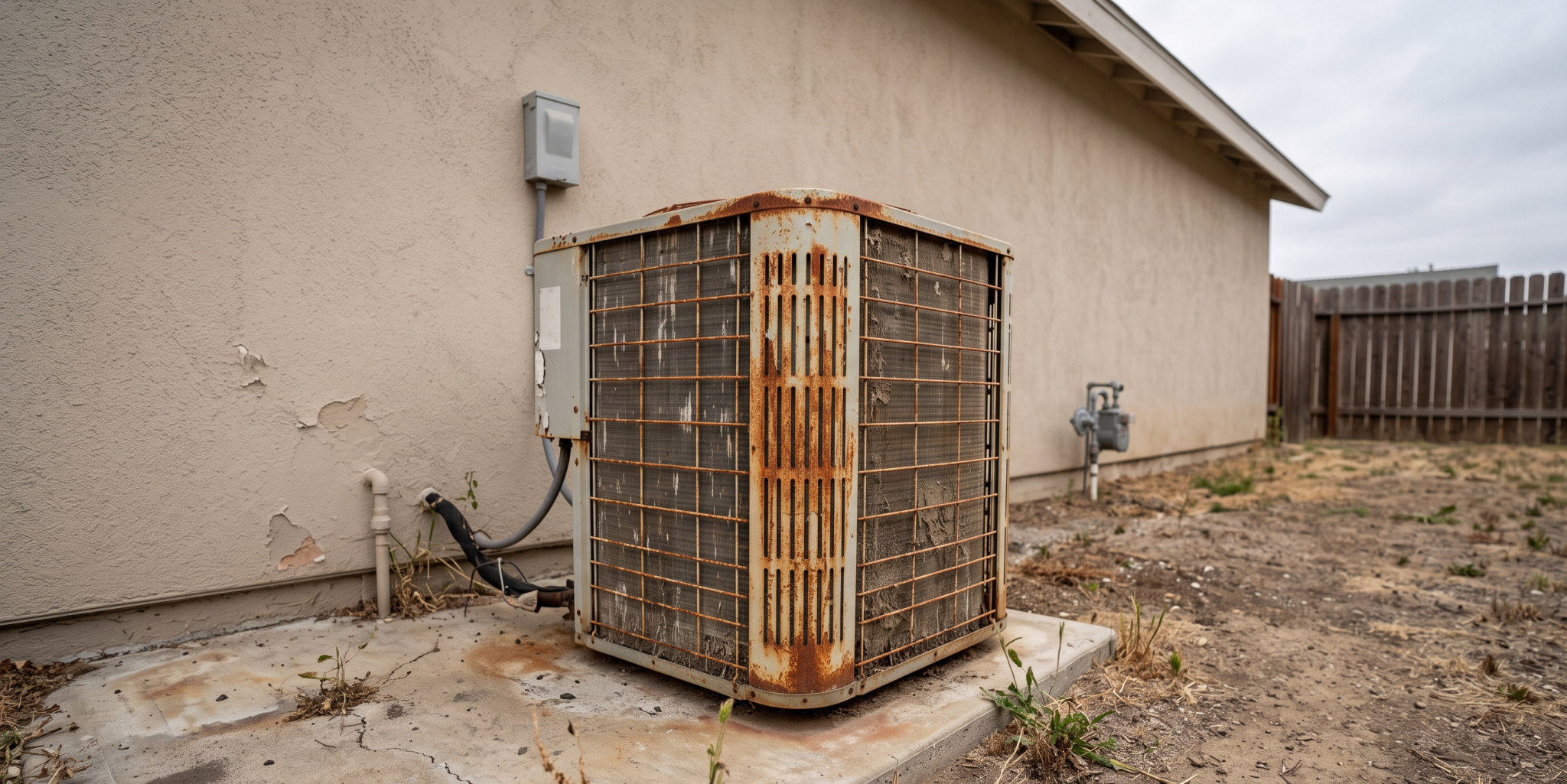
Appliance and HVAC Certification: All major systems are serviced and certified before move-in, eliminating the early-tenancy failures that drive non-renewal.
The 30-Day Check-In: We reach out proactively one month into the lease. A slow drain or a loose handle fixed now prevents it from becoming a non-renewal reason later.
Systemize Your Tenancy From Day One
A structured onboarding protocol is the difference between a two-year tenant and a twelve-month vacancy cycle. We build the system for you.
Schedule a Free Consultation20-Point Landlord Retention Checklist
Retention is the sum of many small operational disciplines. The two groups below separate the systems that keep the asset compliant and functional from the relationship habits that keep a good tenant in place year after year.
Operational Oversight
- Lease Alignment: All fixed-term expirations fall between May and August (peak San Diego demand).
- 90-Day Renewal Review: The renewal process starts three months before expiration, not 30 days.
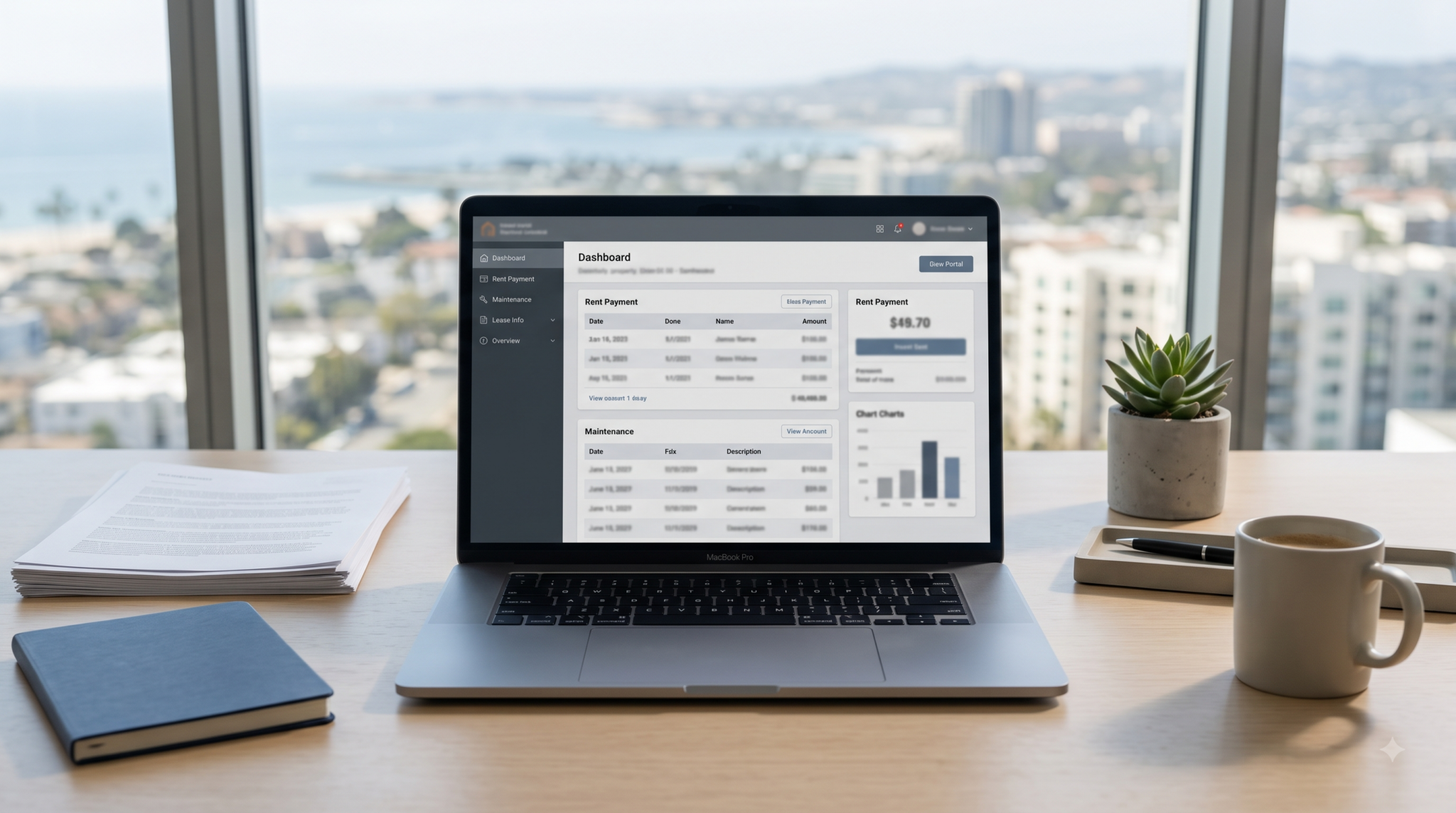
- Online Portal Access: 100% of rent and maintenance is handled via a secure digital portal.
- Emergency Response SLA: Every emergency is addressed in under 4 hours; urgent issues in under 24 hours.
- Preventative Maintenance: Biannual HVAC and plumbing inspections are performed and documented.
- Vendor Insurance Audit: Every contractor is verified for CSLB licensing and Workers’ Comp insurance.
- Security Deposit Defense: Move-in/move-out photos are archived for four years to prevent disputes.
- Rent Increase Stress Test: Increases are modeled against neighborhood vacancy rates and concessions.
- Habitability Compliance: Annual certification of smoke/CO detectors and water heater strapping.
- Military Clause Policy: Systemized workflow for handling SCRA/PCS orders with zero friction.
Relationship Management
- Proactive Communication: Tenants receive an update within 4 hours of a maintenance request.
- Landscaping Standard: Exterior appearance is maintained by a professional vendor, not the tenant.
- Renewal Incentives: Small upgrades (e.g., a smart thermostat) are evaluated at renewal to add value.
- Pet Screening Policy: A balanced pet policy captures the 70% of San Diego renters with animals.
- Just Cause Audit: All tenant notices are reviewed for compliance with the SD Tenant Protection Ordinance.
- Documentation Log: Every phone call, text, and email is logged in a system of record.
- Tenant Survey: Post-maintenance surveys track vendor performance over time.
- Neighborhood Comps: Rents are reviewed quarterly to stay competitive, not just at renewal.
- HOA Compliance: For condos, proactive communication of HOA rules prevents tenant fines.
- Transition Readiness: A clear plan exists for re-leasing before the current tenant vacates.
Case Study: The Mira Mesa Portfolio Stabilization
Cutting Annual Turnover From 40% to 12%
Background: An out-of-state investor owned a three-unit residential portfolio in Mira Mesa. When Palm Tree Properties took over, the turnover rate was exceeding 40% annually. The owner was suffering from scattered lease expirations, frequent winter vacancies, and an average delinquency of 15 days.
The Strategy - The Lease Standard Reset: We performed a documentation audit and stabilized the relationship with existing tenants by immediately addressing a backlog of deferred maintenance. We moved all tenants onto the online portal and established strict collection standards, performed full HVAC and plumbing certifications across all units, and shifted every renewal into the May-July window as leases expired.
The Result: Turnover dropped from 40% to 12% over 24 months. The owner saw a +$32,000 stabilization in Net Operating Income (NOI) through the elimination of leasing fees and winter vacancy loss, and the properties were brought into 100% compliance with local San Diego ordinances.
The San Diego Legal Landscape: AB 1482 and Local Just Cause
California’s legislative environment makes high-quality tenant retention a legal necessity. In the City of San Diego, the Tenant Protection Ordinance significantly changed the rules of the game for landlords. If you are serving your own notices without ordinance review, you are exposed. For current compliance requirements, review our full guide on AB 1482 rent control in San Diego.
Non-payment of rent or a material breach of the lease. These grounds allow the owner to proceed without relocation assistance, but each notice must still survive ordinance review.
Owner move-in or substantial remodel - both of which now require relocation assistance typically equal to two to three months of rent, tripling the financial cost of losing a tenant.

Frequently Asked Questions
Why do tenants leave rentals in San Diego more often in the summer?
What is a healthy turnover rate for a San Diego portfolio?
How does the San Diego Tenant Protection Ordinance affect my ROI?
How long does a standard eviction take in San Diego currently?
Does property condition impact retention more than price?
Is professional management worth the cost if I only have one property?
Next Steps: Secure Your San Diego Investment
Tenant turnover is a performance killer. By shifting from a reactive management style to a proactive, systemized operator model, you can reduce churn and protect your rental income. Explore our San Diego property management services to get started.
Contact Palm Tree Properties today to ensure your San Diego rental is managed with the professional discipline it deserves.
Stop Paying the Turnover Tax
Let Palm Tree Properties model your portfolio’s churn and build a retention system that protects your Net Operating Income year after year.
Schedule a Free Consultation