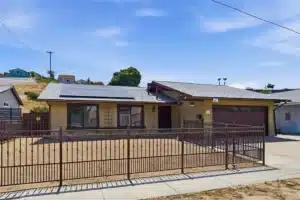
The apartment rent collection process is one of the more significant differences between a self-managed rental and a property that operates under professional management. At scale, it can become something closer to a financial operation than a landlord job. Payment portals, grace period policies, late fee structures, delinquency workflows, and reporting cycles all have to work together so nothing falls through the cracks and owners receive accurate, quick distributions without having to chase anything down themselves.
For property owners and investors, how this process actually works matters - it helps you evaluate whether your management company is running a tight operation, ask the right questions during onboarding, and find what you are paying for when rent collection property management is part of your monthly fee. This post breaks down the full process, from how rent is collected and posted to how delinquencies are handled and what gets reported back to you as the owner.
Key Takeaways
- Professional rent collection relies on written policies covering due dates, grace periods, late fees, and accepted payment methods.
- Online payments now exceed 51% of rent transactions, with tenant portals and autopay reducing late payments significantly.
- Automated reminders and autopay enrollment help well-run buildings achieve collection rates above 97%, per RealPage data.
- Unpaid rent triggers a structured escalation process - late fees, formal notices, then eviction - protecting owners legally.
- Monthly owner reports track collected versus expected rent, delinquency rates, and units on payment plans.
What a Rent Collection Policy Actually Covers
The whole process starts before a tenant ever makes a payment. A professionally managed building runs on a written rent collection policy, and it’s one of the first documents a tenant receives when they sign their lease.
This policy outlines the due date, which is the 1st of the month in most cases - it also covers the grace period, which gives tenants a short window - usually 3 to 5 days - to pay without a penalty. After that window closes, late fees kick in automatically.
Late fees are based on a documented fee structure, so there’s no room for dispute about how much is owed or when the charge was applied. That consistency is what makes the whole system work for everyone involved.
The policy also lists the accepted payment methods, which we’ll get into more in the next section. And it covers the steps that follow when payment doesn’t arrive at all - things like formal notices and what comes next if the balance stays unpaid.
Having this in writing protects the property owner and the management company equally. If a tenant claims they didn’t know about the late fee, the signed policy says otherwise. That documentation removes ambiguity and gives the management team something to refer back to.
It also protects tenants in a way. A written policy means the rules apply the same way to everyone in the building. Nobody gets a different grace period or a different fee - the policy is the policy.
This document is the foundation for every interaction around rent. Everything that happens between the due date and a confirmed payment ties back to what that policy says. Familiarity with it early makes the rest of the process much easier to follow.
The Payment Methods Professional Managers Use Today
The way tenants pay rent has changed quite a bit over the past decade. Back in 2014, only about 4% of rent payments were made online. That number has grown to over 51% as of 2025, and it lines up with what renters actually want - a Zillow report found that 69% of renters like to pay online.
Most professionally managed buildings use a tenant portal to manage payments. These portals let tenants pay by ACH transfer, which pulls funds directly from a bank account, or by debit and credit card. ACH transfers are especially popular with property managers because they process reliably and hit the owner’s account faster than a paper check ever would.
Many tenants also set up autopay through the portal, which schedules the payment to go out automatically on the same day each month. When payments come in on time, the property owner gets a more predictable cash flow and the manager spends less time chasing late payments.
Some buildings still accept personal checks or money orders, and that’s also the case in older properties or markets where the tenant population skews less tech-comfortable. That said, managers are moving away from checks. Processing them takes more manual work, there’s a delay between receiving and depositing, and there’s always the chance a check bounces.
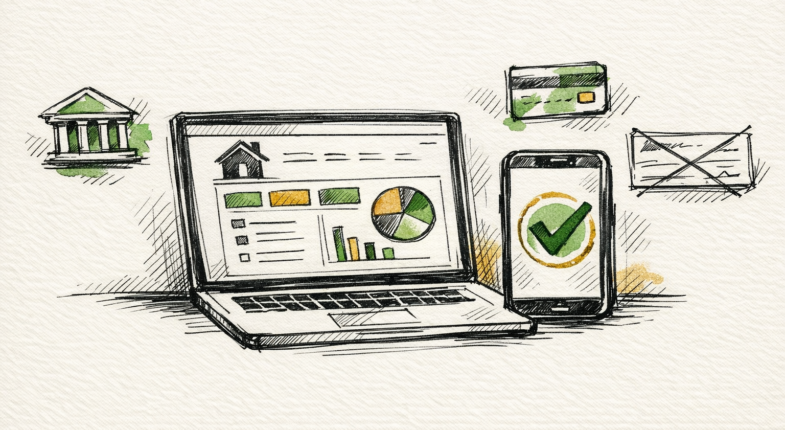
Money orders avoid the bounce problem but still need a tenant to go buy one and physically deliver or mail it; it’s a bit of friction compared to logging into a portal from a phone.
The payment methods a building uses directly affect how quickly rent gets collected and how the money flows through to property owners. Managers who modernize their payment options see fewer delays, and that benefits everyone involved - which is why consistent rent collection matters so much for long-term cash flow.
How Automated Reminders and Tenant Portals Reduce Late Payments
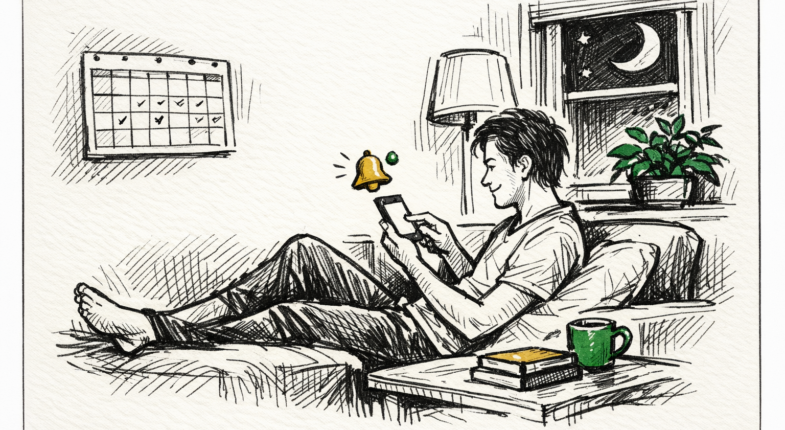
Many late payments happen not because tenants can’t pay, but because they forgot. Property management software addresses this by sending automated reminders a few days before rent is due and again on the due date itself- it’s a small thing that makes a difference.
Tenant portals also play a big part in keeping collections on track. Renters can log in at any hour to check their balance, review their payment history, and submit a payment without needing to call anyone. That access removes friction from the process and makes it easier to pay on time.
Autopay enrollment takes it a step further. When a tenant sets up automatic payments, rent goes out on the same day each month without them having to remember it- a feature that alone tends to bring delinquency numbers down in a meaningful way across a managed portfolio.
The results show up in the data. According to RealPage, well-run professionally managed communities - Class A buildings in particular - hit collection rates above 97%; it’s the result of systems running in the background month after month.
For property owners, it’s worth thinking about what a 1-2% improvement in collections would actually mean for net operating income. On a 200-unit building, even a small gain in that number can add up significantly at the end of the year; it’s part of why owners invest in professional management - the technology and the processes work together to protect revenue in ways that are hard to replicate on your own.
The Escalation Process When Rent Goes Unpaid
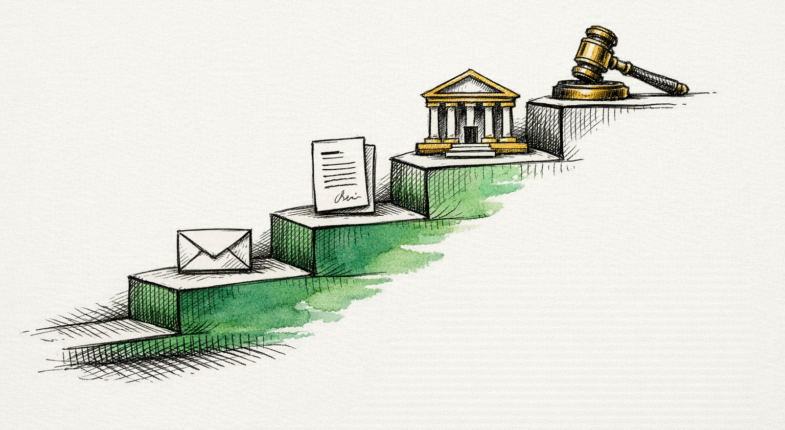
When a payment doesn’t come through by the due date, the process starts moving immediately. A late fee is applied based on the lease terms, and the tenant usually receives a direct follow-up - a call, a message through the portal, or similar. The follow-up isn’t aggressive; it’s the next step in a documented process that everyone agreed to at move-in.
If the payment still doesn’t arrive within a few days, the property manager will send a formal notice - usually called a pay-or-quit notice - and it gives the tenant a set number of days to pay the balance in full or vacate the unit. The exact timeline can depend on state law, so this step looks a little different depending on where the property is located.
That formal notice matters more than it might feel - it gives you a paper trail that protects the owner if the situation ever ends up in court. If you don’t have it, a landlord who tries to move forward with an eviction can run into legal issues - like fair housing complaints or wrongful eviction claims. A documented process shows that every tenant was treated the same way and that the law was followed at each stage.
If the tenant doesn’t respond or pay, the property manager can file for eviction. That filing goes through the local court system and has its own timeline - it’s the last step in the process, not the first instinct.
The goal through all of this is to resolve the situation before it reaches that point. Sometimes a tenant needs a few extra days or has a one-time hardship. A property manager knows how to have that conversation while still protecting the owner’s interests.
This structured, steady escalation is one of the places where professional management makes the biggest difference. Self-managing owners sometimes skip steps or handle things inconsistently, and that’s where legal exposure tends to grow.
How Owners See and Interpret Collection Performance Reports
Most property management businesses send owners a monthly report that breaks down rent collection in an easy way- it shows how much rent was expected, how much was actually collected, and the difference between the two. You’ll also see things like late fee income and a list of any units currently on payment plans.
The delinquency rate is the number worth watching most closely- it tells you what percentage of expected rent went uncollected by the end of the month. A well-run building with stable tenants will usually land between 1% and 3%. Anything higher than that’s worth a conversation with your property manager.
A helpful frame of reference: the National Multifamily Housing Council tracks rent payment data across more than 11 million apartment units nationwide. That data gives owners a benchmark to compare their building’s performance against wider market patterns. If your building’s collection rate is trailing the national average by a few points, that’s an actual signal - not just noise.
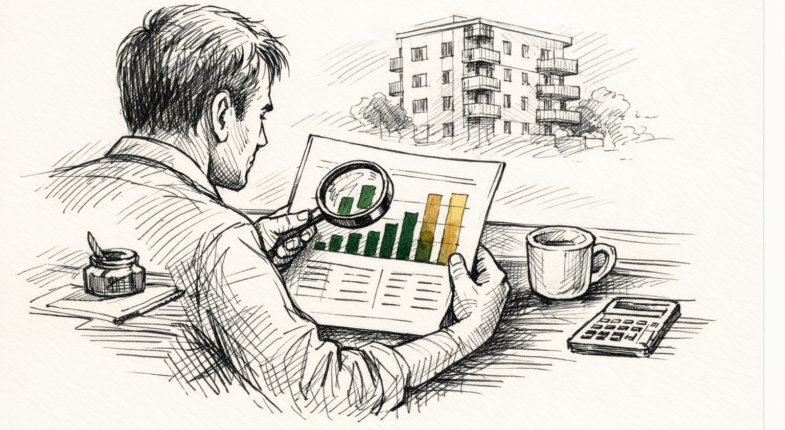
Payment plan facts also matter more than expected. When a tenant falls behind and gets put on a plan, that unit stays in a gray area until the balance is cleared. Knowing how many units are in that position, and for how long, helps you get a basic picture of your cash flow.
| Report Item | What It Tells You |
|---|---|
| Collected vs. Expected Rent | Your actual income compared to what was owed |
| Delinquency Rate | The percentage of rent that went unpaid |
| Late Fee Income | Revenue collected from late payments |
| Units on Payment Plans | Accounts with outstanding balances being repaid over time |
You don’t need to manage any of this directly - it’s the whole point of working with a property management team. But learning how to read the report means you can ask better questions and stay well-educated about how your investment is performing.
What Good Rent Collection Really Signals About Your Investment
That context matters when looking at what professional management actually costs. A fee of 8-12% of monthly rent can look like a line item on a spreadsheet. But a well-run operation earns that fee by keeping vacancy low, cutting back on delinquency, and taking care of the friction - late payments, disputes, follow-ups - that quietly consumes an owner’s time and mental energy. The question is what that payment is reliably preventing.
If you’re a property owner, now is a good time to look at how collections are being handled in your building. Are policies documented? Is there a steady follow-up process for late payments? Are tenants paying through a system that gives you a record? If you’re not sure of the answers, those are the questions worth bringing to your property manager - and the quality of their response will tell you a great deal about the quality of your management.
FAQs
What is a rent collection policy in managed buildings?
A rent collection policy is a written document tenants receive at lease signing. It outlines the due date, grace period, late fee structure, accepted payment methods, and steps taken when rent goes unpaid.
What payment methods do professional property managers accept?
Most professionally managed buildings accept ACH bank transfers, debit cards, and credit cards through an online tenant portal. Some still accept checks or money orders, though managers increasingly prefer digital payments for speed and reliability.
How do automated reminders help reduce late rent payments?
Property management software sends automated reminders before and on the due date, reducing forgotten payments. Autopay enrollment further lowers delinquency by scheduling payments automatically each month without tenants needing to take action.
What happens when a tenant doesn’t pay rent on time?
A late fee is applied immediately, followed by direct tenant outreach. If payment still isn’t received, a formal pay-or-quit notice is issued. Continued non-payment can result in an eviction filing through the local court system.
What should owners look for in rent collection reports?
Owners should monitor the delinquency rate, collected versus expected rent, late fee income, and units on payment plans. A healthy delinquency rate typically falls between 1% and 3% for well-managed buildings.
Ready to Talk About Your Multifamily Property?
Palm Tree Properties helps San Diego owners with reporting, maintenance, vendor oversight, and day-to-day management. Schedule a free consultation and see how we can support your investment.
Schedule a Free Consultation