
If any of this sounds familiar, you’re not alone. According to the U.S. Census Bureau’s rental housing data, roughly 70% of rental property investors own just a single property. Most of them are self-managing - taking care of leases, maintenance coordination, tenant communication and rent collection on their own. And most of them don’t consider bringing in professional help until they’re already stretched thin. At that point, the question isn’t just if to hire a property manager - it’s why they waited so long.
The common assumption is that professional property management is something you graduate into once you hit a certain number of units. Five doors. Ten doors. Some magic threshold where the math finally makes sense. But the answer is more nuanced than that. The number of units you own matters. But so does how much time you’re losing, what that time is actually worth, and what growth you could be leaving on the table by staying in the weeds of day-to-day operations.
This is for landlords who are somewhere in that gray zone - past the honeymoon phase of owning rental property, managing more than feels comfortable, and legitimately wondering if there’s a better way to structure things. Whether you own a small multifamily property or you’re starting to build a bigger portfolio, knowing when to hire a property manager - and how to tell if you’ve crossed that line - can make the difference between a business that scales and one that burns you out.
Key Takeaways
- Most landlords hit their management limit between four and seven units, where maintenance overlap and tenant turnover compound quickly.
- Five units requires roughly 20-40 hours monthly, essentially a part-time job with no set hours or paid leave.
- The eight-unit mark is where professional management fees (8-12%) are typically offset by better retention and fewer costly mistakes.
- Unit count alone isn’t the full picture-property location, tenant turnover rates, building age, and your personal time value all matter.
- Faster vacancy fill rates and legal compliance protection can offset management fees, even for landlords with just a few units.
What Managing Rentals Actually Costs You in Time
A single rental property takes roughly 4 to 8 hours a month to manage. That number sounds manageable until you remember it doesn’t land in a helpful two-hour block on a Tuesday afternoon - it shows up as a maintenance call on a Sunday morning, a lease question at 9pm, or a trip to the property mid-week to let in a repair crew.
Scale that to five properties and you’re looking at between 20 and 40 hours a month; it’s a part-time job - and not the kind with set hours or paid leave.
It’s helpful to try to translate those hours into weeks. Forty hours a month is roughly 10 hours a week. For anyone with a full-time job or a family, that time has to come from somewhere - it comes from evenings, it comes from weekends, it comes from the hours you’d otherwise use to rest or do something you actually chose for yourself.
The tasks themselves aren’t always hard. But they are relentless. Collecting rent, responding to maintenance requests, coordinating contractors, handling tenant questions, tracking expenses and staying on top of lease renewals all need attention on someone else’s timeline - not yours.
| Number of Units | Estimated Monthly Hours | Weekly Time Commitment |
|---|---|---|
| 1 | 4-8 hours | 1-2 hours |
| 3 | 12-24 hours | 3-6 hours |
| 5 | 20-40 hours | 5-10 hours |
| 10 | 40-80 hours | 10-20 hours |
It’s worth asking yourself what an hour of your time is worth to you. Not just in dollars. But in what you give up when you spend it chasing down a late rent payment or waiting on a plumber who may or may not show up.
Time has a cost even when no money changes hands. The hours you spend taking care of your properties are hours you’re not spending on other work, other investments, or other parts of your life.
The Unit Count Where Most Landlords Start to Crack
For most landlords, the first wall hits between four and seven units. Up to three units, you can usually keep everything in your head. You know each tenant, you manage maintenance calls yourself, and renewals feel manageable. Add a fourth or fifth unit and the structure starts to change in ways that are hard to expect until you’re in it.
More units means more tenants cycling in and out, and each turnover has its own timeline - cleaning, repairs, listings, showings, screening, and lease signing. When two or three turnovers land in the same month, the workload compounds fast. You’re no longer taking care of rentals on the side; it’s becoming a part-time job with no set hours.
Maintenance overlap is the other pressure point. A single-family rental gives you one property to track. At five or six units, you could be coordinating an HVAC call at one address, a plumbing issue at another, and a lease dispute at a third - all in the same week. It’s not unusual; it’s just what the numbers eventually produce.
Legal exposure grows too. More tenants means more situations where fair housing laws, habitability standards, and local landlord-tenant laws come into play. One misstep in how you manage a repair request or a lease termination can cost more than a year’s worth of management fees.
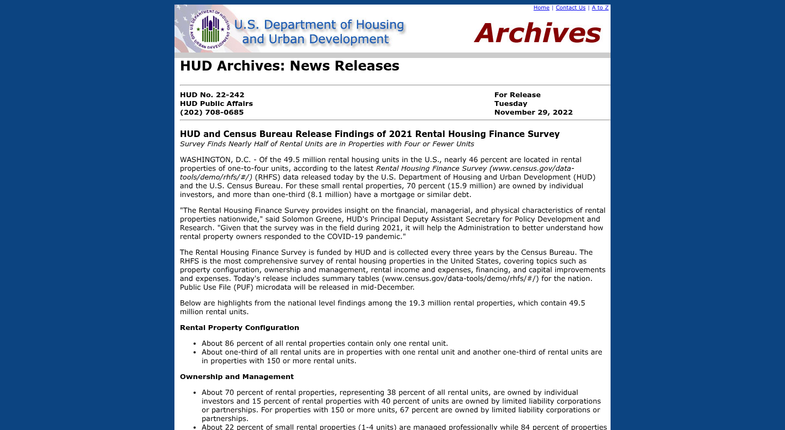
The data has proven this too. According to HUD and Census reporting, only about 22% of landlords with one to four units use professional property management. Most in that range manage things themselves and do it well. But the percentage flips as portfolios grow, and for good reason.
The eight-unit mark tends to be where professional management starts to make strong financial sense for most landlords. At that scale, the fees - usually eight to twelve percent of collected rent - are usually offset by better tenant retention, faster fill rates, and less expensive mistakes. Eight is not a magic number. But the math starts to work differently at that threshold.
If you’re taking care of a small multifamily property in the two-to-four unit range, the calculus is a little different and worth looking at on its own terms. This breakdown of small multifamily management covers that ground in more detail.
The unit count matters. But it’s only part of the picture.
Hidden Signals That Unit Count Alone Doesn’t Tell You
Two landlords can each own six units and have very different experiences. One might manage everything in a few hours a week. But the other is stretched thin and barely keeping up. The difference usually depends on things that don’t show up in a unit count.
Location is one of the biggest ones. If your properties are in a different state or a different city from where you live, you’re already operating at a disadvantage. You can’t do a drive-by to check on a repair. You can’t meet a tenant in person without booking a flight. Distance alone can make a two-unit portfolio feel like a full-time job.
Properties across multiple markets add another layer, and each city has its own landlord-tenant laws, its own rental pricing patterns, and its own contractor networks. Staying on top of that across two or three markets takes time and local knowledge - and most landlords don’t have either.
The type of tenants you draw matters too. High-turnover demographics, like students or short-term renters, mean more frequent vacancy cycles, more unit preparation between leases, and more time spent on marketing and screening. A landlord with four units and non-stop turnover can be busier than one managing ten long-term tenants.

Property age is worth factoring in as well. Older buildings need more maintenance, full stop. If you’re fielding repair calls every other week, that’s time you’re not spending on anything else. If you’re also running a business or pushing forward in a demanding career, every hour you spend chasing down a plumber is an hour pulled from something that might matter more to you financially.
That last point is easy to underestimate. A landlord who also runs a company or works in a high-earning profession has a very different cost-of-time calculation than one with a more flexible schedule. The right threshold for professional help goes beyond unit count - it depends on what your time is actually worth and when property management starts to compete with everything else.
So before you land on a number, take stock of your full picture.
What Professional Management Actually Costs - and What It Buys Back
Most property managers charge between 8% and 12% of monthly rent. On a single unit renting for $1,500 a month, that works out to $120 to $180 per month - it sounds like quite a bit until you do the math across a full year and start thinking about what it replaces.
Spread that across five units at the same rent and you’re looking at $600 to $900 a month in fees; it’s a line item and it deserves honest scrutiny - but it also buys something concrete, and that part is worth considering before you decide the number is too high.
| Number of Units | Monthly Rent per Unit | Fee at 8% | Fee at 12% |
|---|---|---|---|
| 1 | $1,500 | $120 | $180 |
| 3 | $1,500 | $360 | $540 |
| 5 | $1,500 | $600 | $900 |
A property manager handles tenant screening, lease agreements, rent collection, and maintenance coordination. They also stay current on landlord-tenant law so you don’t have to. That last part alone can save you from expensive mistakes in states where the laws change frequently.
Vacancy is where the money lives. A professionally managed property tends to get leased faster because managers have established marketing channels and respond to inquiries faster. Even cutting vacancy by two or three weeks per year starts to offset the monthly fee in a real way.

There’s also the question of legal exposure. Fair housing compliance, security deposit handling, eviction procedures - these aren’t areas where you want to learn by trial and error. A management company carries that responsibility as part of the arrangement.
The honest tradeoff is this: you give up a percentage of revenue and gain a more stable, less reactive operation. For some landlords that trade makes sense at three units. For others it doesn’t make sense until they hit ten. The fee structure itself isn’t the deciding factor - what matters is what the fee costs you relative to what going without one actually costs.
So, How Many Units Is Too Many to Handle Alone?
Before you hit that wall, do an honest audit. Track your hours for a month. Look at what’s falling through the cracks. Ask yourself if the returns you’re seeing are worth the operational weight you’re carrying. Most landlords who make the switch to professional management say they wish they’d done it sooner - not because they couldn’t manage it, but because stepping back freed them to grow.
If you’re looking at what comes next, small multifamily ownership is worth a look - it’s one of the most helpful ways to scale your rental income without multiplying your problems - especially when professional management is already part of the equation. You’re probably closer to the tipping point than you think. The move is to make a plan before it makes one for you.
FAQs
When should I hire a professional property manager?
Most landlords hit their limit between four and seven units, where maintenance overlap and tenant turnover compound quickly. The eight-unit mark is typically where management fees are clearly offset by better retention and fewer costly mistakes.
How much time does managing rental properties take?
A single rental takes roughly 4-8 hours monthly. At five units, that grows to 20-40 hours per month-essentially a part-time job with no set schedule or paid leave.
How much do professional property managers typically charge?
Most property managers charge between 8% and 12% of monthly rent. On a $1,500/month unit, that’s $120-$180 monthly, which can be offset by faster vacancy fills and fewer legal mistakes.
Does unit count alone determine when to get help?
No. Property location, tenant turnover rates, building age, and your personal time value all matter. A landlord managing two out-of-state units may need help sooner than one with six local properties.
Can management fees be worth it for smaller portfolios?
Yes. Faster vacancy fill rates, legal compliance protection, and time savings can offset fees even for landlords with just a few units, especially if their time has high professional or personal value.
Ready to Talk About Your Multifamily Property?
Palm Tree Properties helps San Diego owners with reporting, maintenance, vendor oversight, and day-to-day management. Schedule a free consultation and see how we can support your investment.
Schedule a Free Consultation