
Last updated: September 2026
In 2026, this decision is no longer purely a market calculation. It is a regulatory one. Between the statewide California Tenant Protection Act (AB 1482) and the San Diego Residential Tenant Protections Ordinance (STPO), both the “how often” and the “how much” are strictly governed.
At Palm Tree Properties, we manage residential assets with an investor’s mindset focused on long term yield optimization. We do not believe in arbitrary increases. Instead, we use a data driven, systemized approach to timing and pricing that protects your Net Operating Income (NOI) while anchoring high quality tenants to your property. If you want that discipline applied to your portfolio, start with our San Diego property management services.
Request a Rent Increase Risk Audit
Are your current rent levels falling behind the 2026 market? Contact Palm Tree Properties for a professional rent increase stress test before your next renewal cycle.
Schedule a Free ConsultationThe Legal Baseline: How Often Can You Raise Rent?
Before discussing strategy, landlords need to understand the legal guardrails. In San Diego, frequency and amount are shaped by state law, and termination is shaped by local ordinance.
For properties covered by AB 1482, which includes most multifamily units and corporate owned single family homes, the binding constraint is the 12-month total. The California Attorney General states the rule plainly: landlords “cannot raise rent more than 10% total or 5% plus the percentage change in the cost of living, whichever is lower, over a 12-month period.” The statute also limits how many separate increments you may impose within that window, so if you split an increase into two steps, the combined total still has to stay under the annual cap. Confirm the increment rules for your specific tenancy before you split a raise.

Rule 02 - Civil Code § 827
Notice Requirements
In California, the amount of notice you must provide depends on the size of the increase. Per the California Attorney General’s landlord and tenant guidance, which reflects Civil Code section 827:
30 days’ advance written notice.
90 days’ advance written notice.
In practice, the 90-day tier only comes into play on properties that are not subject to the AB 1482 cap, because a covered property cannot lawfully exceed 10% in a 12-month period anyway. The threshold is measured cumulatively over the preceding 12 months, so two smaller increases can combine to trip the 90-day requirement.
Rule 03 - Current Cycle
The Current San Diego Rent Cap: 8.2%
For the period effective August 1, 2026 through July 31, 2027 , the maximum allowable rent increase for AB 1482 covered properties in the San Diego region is 8.2% , published in the California Attorney General’s statewide rent cap tables. That figure is the 5% statutory base plus a 3.2% regional cost of living adjustment. Work from the published ceiling rather than calculating your own, since the Attorney General publishes the ceiling and not the underlying component.
Two points matter here. First, this number resets every August 1, so a notice you drafted last spring may be quoting a stale cap. The prior cycle, August 2025 through July 2026, carried a higher 8.8% ceiling in this region. Second, the AB 1482 adjustment is not the same as the headline inflation reading. The Bureau of Labor Statistics reported that the San Diego area CPI-U rose 2.7% for the 12 months ending July 2026, which is a useful sanity check on tenant affordability even though it is not the figure used to set the cap.
A note on emergencies: even exempt properties are subject to California’s anti price gouging statute during a declared state of emergency, which generally caps rental increases at 10% for the duration of the declaration and any extensions.
For a deeper walkthrough of coverage determinations and documentation, see our complete AB 1482 rent control guide for San Diego landlords.
Strategic Comparison: Full Cap vs. Retention Strategy
Choosing between the maximum legal increase and a more moderate retention rate is a pivot point for your annual ROI. Taking the full 8.2% on a $4,000 unit adds roughly $3,940 in gross annual rent. A 4% retention increase adds about $1,920. The difference is $2,020, which is a fraction of what a single turnover costs once you account for vacancy, make ready, and leasing time. The right answer depends entirely on how elastic your submarket is and how strong your tenant is.
| Approach | Increase on a $4,000 Unit | Added Gross Annual Rent |
|---|---|---|
| Full Cap | 8.2% | ~$3,940 |
| Retention | 4% | ~$1,920 |
| Difference | - | $2,020 |

What Properties Are Exempt in San Diego?
Not all rentals are subject to the state cap. Understanding your property’s status is critical for maximizing ROI.
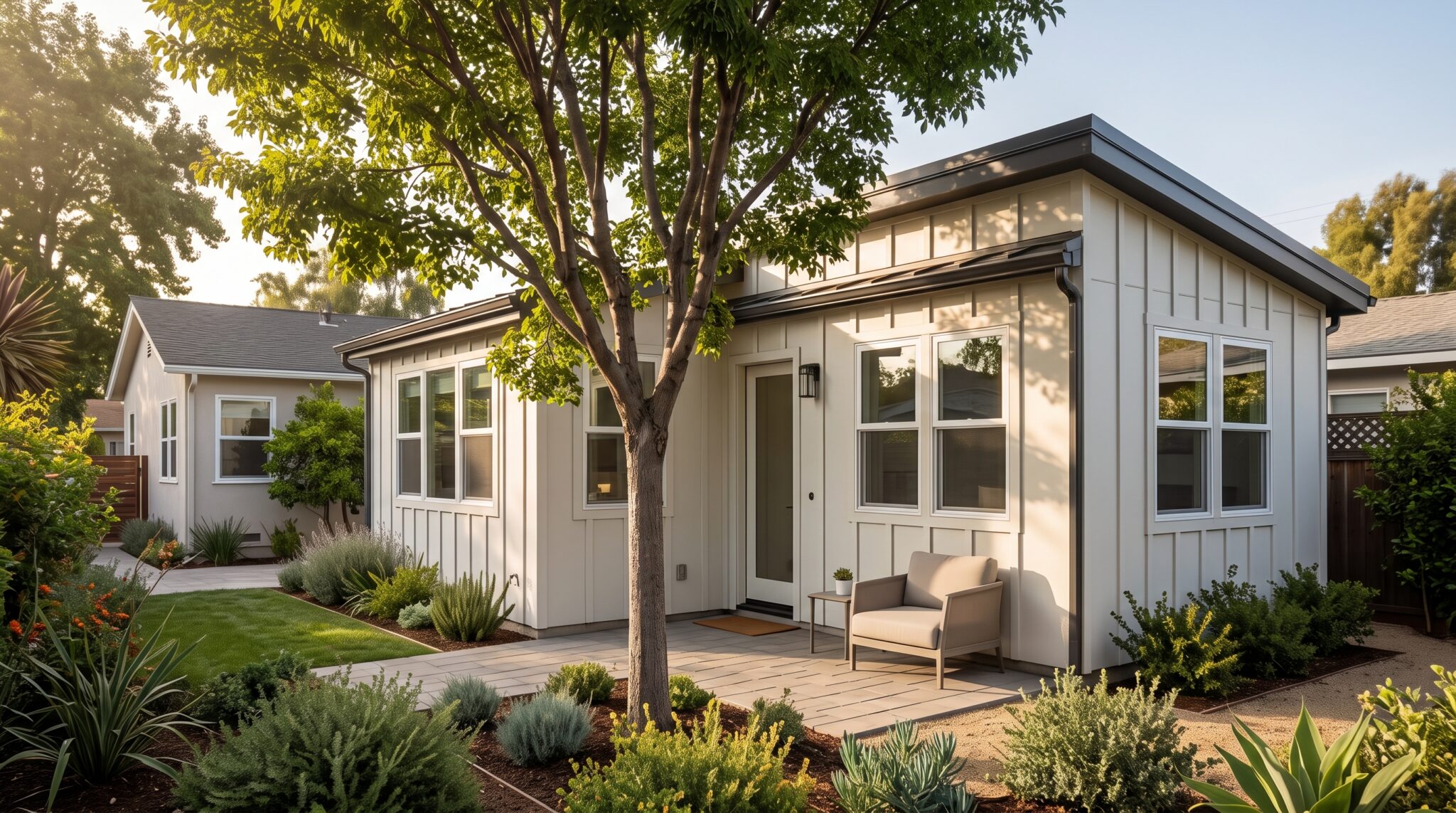
Exemption from the state cap is not exemption from everything. The City of San Diego’s Residential Tenant Protections Ordinance imposes its own just cause termination standard, relocation assistance obligations of two months’ rent for most no fault terminations and three months for senior or disabled households, and a requirement to notify the San Diego Housing Commission within three business days of serving a termination notice. Newly constructed housing within 15 years of occupancy and certain owner occupied single family situations are carved out, so verify your unit’s status against the ordinance itself.
Compliance mistakes on these points are expensive. Our guide to reducing landlord legal risk in San Diego covers the documentation systems that keep a rent increase from turning into a habitability or retaliation claim.
Timing Your Increase: The Summer Alignment Strategy
In San Diego, when you raise rent matters as much as how much. If a rent increase notice triggers a move out in December, you are listing a property during the lowest demand period of the year.
The Peak Demand Window
We aim for all lease renewals and associated rent increases to fall between May and August.
The advantage: This aligns with relocation cycles for the U.S. Navy, the biotech sector in Torrey Pines, and the UCSD and SDSU academic calendars.
The result: If a tenant chooses to move, the property hits the market when demand is at its peak. We typically fill these vacancies in under 14 days.

Time Your Renewals for Peak Demand
Palm Tree Properties structures every lease term so renewals and increases land in the summer window when San Diego demand peaks. Let us build a renewal calendar around your portfolio.
Schedule a Free ConsultationSan Diego Submarket Trends and Property-Specific Strategy
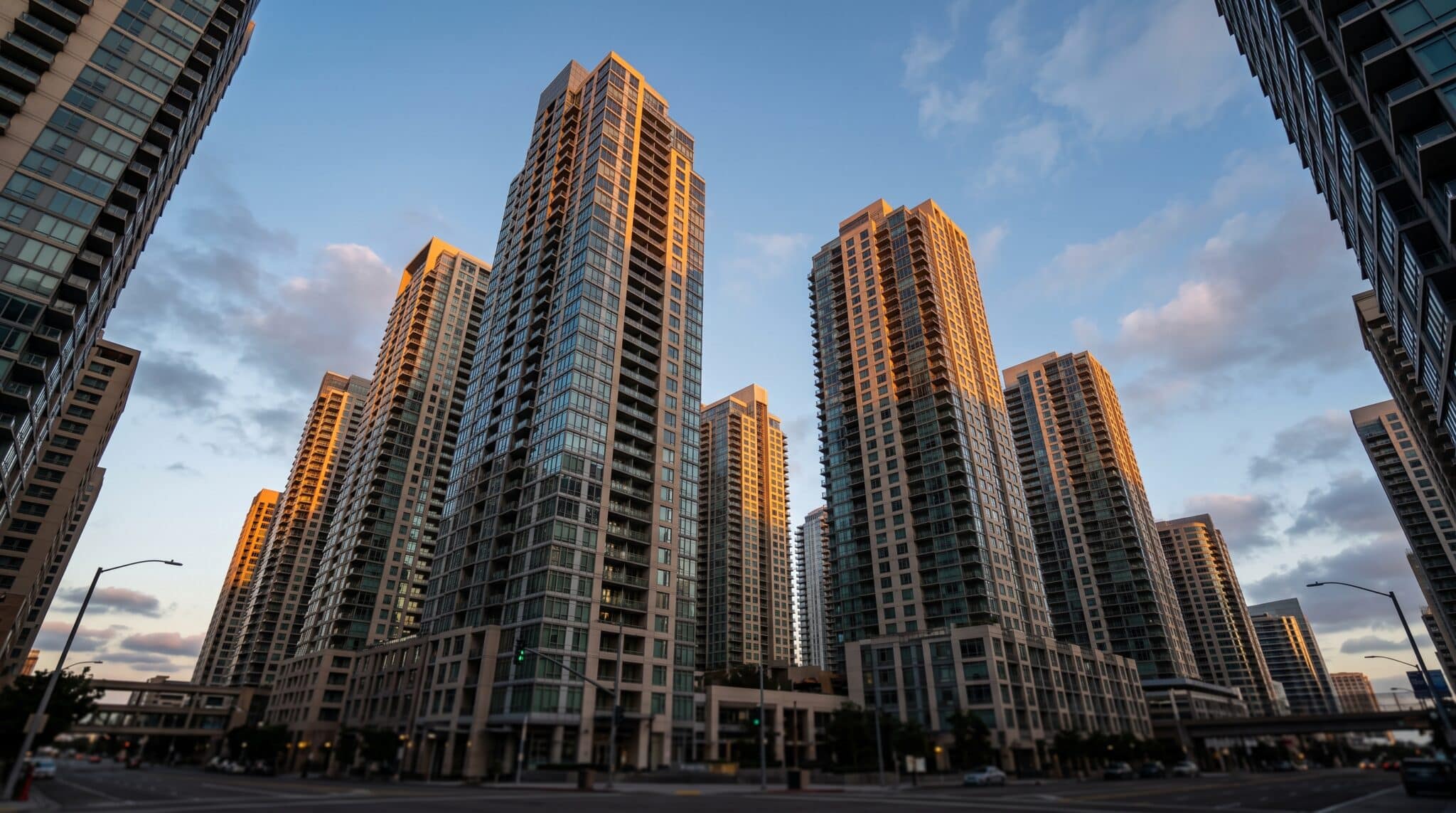
The right rent increase in Chula Vista is fundamentally different from the right increase in La Jolla. As an operator, we segment San Diego into distinct pricing corridors.
What Happens If You Skip Rent Increases for Three Years?
Many landlords skip increases to keep the peace with a good tenant. The instinct is understandable, but it is financially dangerous.
Rent caps are not retroactive. If you skip a 5% increase this year, you cannot add it to next year’s 8.2%. That income is gone permanently.
Many San Diego owners are seeing premiums rise sharply. Skipping rent increases means your NOI absorbs the full expense growth.
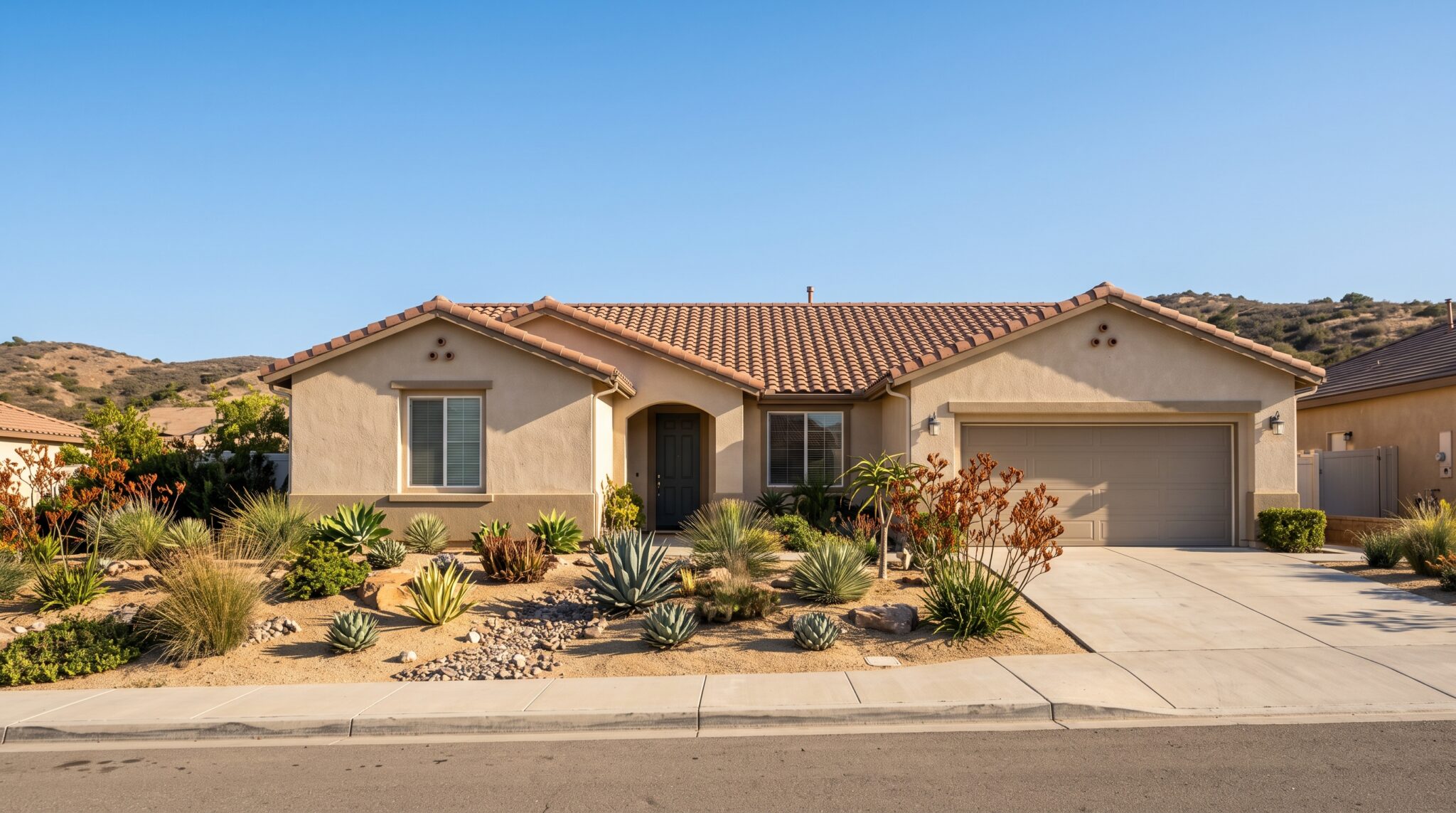
Under market rents produce lower valuations and tighter Debt Service Coverage Ratios.
If you skip three years and then attempt a 20% catch up reset, the tenant will move, and on a covered property that reset is not even legal in a single step.
Small, consistent 3% to 4% increases are easier for tenants to absorb.
25-Point Rent Increase and Retention Checklist
Use this system to determine whether it is the right time to adjust your rent.
Market and Financial Analysis
- AB 1482 audit:Is the property subject to the 8.2% cap or exempt?
- Notice of exemption:If exempt, has the required written disclosure been provided to the tenant?
- Neighborhood comps:Have you reviewed leased comps, not just listed comps, within a one mile radius?
- Insurance premium audit:How much has your policy increased in the last 12 months?
- Property tax review:Did a recent reassessment increase your carrying costs?
- Expense ratio analysis:Is your Net Operating Income trending up or down?
- Cap rate impact:Will this increase add meaningful value for a future refinance?
Tenant Performance Audit
- Payment history:Has the tenant paid on the first for the last 12 months?
- Communication score:Is the tenant easy to work with or high friction?
- Maintenance hygiene:Does the tenant report leaks promptly and keep the home clean?
- HOA compliance:Has the tenant received association fines?
- Length of tenancy:Longevity earns a retention discount of 2% to 3% below market max.

Strategic Planning and Execution
- The 90-day window:Start the conversation three months before lease end.
- Seasonal check:Ensure the new lease term ends during the summer peak.
- Upgrade opportunity:Pair the increase with a smart thermostat or carpet cleaning.
- Relocation risk:Is the increase likely to trigger a $10,000 turnover event?
- STPO review:If the tenant refuses to sign, does any termination meet the ordinance’s just cause standard?
- Written notice method:Use a delivery method that proves service, such as certified mail.
- Electronic delivery consent:If you plan to send notices electronically, confirm the tenant agreed to electronic service in writing.
- Tenant sentiment:Perform a mid lease check in to gauge satisfaction.
- Vacancy buffer:Hold reserves to cover 30 days of vacancy if the tenant leaves.
- Inflation tracking:Compare your increase against the San Diego CPI, most recently 2.7% for the 12 months ending July 2026.
- Alternative offer:Offer a two year lease lock at a slightly lower rate.
- Professional tone:Word the notice as a business adjustment that offsets rising costs.
- Legal verification:Confirm the notice contains all currently required state and local disclosures.
San Diego Eviction Timeline Snapshot
If a tenant refuses an increase but remains in the unit without paying the new rate, you will be navigating the San Diego County Superior Court system.
Three day notice to pay or quit: Served the day after rent is late.
Extended response window: Under AB 2347, effective January 1, 2025, tenants have 10 days rather than five to respond to an unlawful detainer summons, roughly doubling the front end of the timeline.
Court scheduling: Expect 30 to 60 days to reach a trial date at the downtown Hall of Justice, depending on calendar congestion.
Treat these as planning ranges, not guarantees. Timelines vary by case and by court calendar.
Frequently Asked Questions
1. How much can I raise rent in San Diego right now?
2. Can I raise rent mid-lease?
3. What San Diego CPI figure applies?
4. How often can I increase rent?
5. Does the rent cap apply to new construction?
6. Can I raise rent after property improvements?
7. Can tenants negotiate a rent increase?
8. What happens if I forget to send the exemption notice?
9. How do rent increases affect Section 8 tenancies?
10. Does a rent increase impact my property valuation?
11. Can I increase rent after a refinance?
12. What documentation protects against retaliation claims?
13. Does an HOA fee increase justify a rent increase?
14. How do rent increases work for ADUs?
15. What if the tenant is month-to-month?
16. Should I raise rent if the tenant is excellent?
17. How do I deliver the notice?
18. What is a retention discount?
19. Can I charge more for pets during a rent increase?
20. What is market max?
Next Steps: Optimize Your Rental Yield
Rent increases are a necessary part of asset management, but they need to be executed with precision. The cap changes every August. The notice tier depends on the size of the increase. The exemption depends on paperwork you may have signed years ago. Getting any one of those wrong converts a routine renewal into a legal exposure.
At Palm Tree Properties , we help San Diego owners maximize income while minimizing the cost of turnover. We will review your current rent roll, identify underperforming assets, and produce a 12-month ROI forecast that includes optimized rent pricing and expense management.
Optimize Your Rental Yield With Palm Tree Properties
We will review your current rent roll, identify underperforming assets, and produce a 12-month ROI forecast that includes optimized rent pricing and expense management.
Schedule a Free Consultation