
San Diego’s multifamily market has its own set of pressures that make a generic evaluation checklist largely useless. Per-unit values here are among the highest in the country, which means even small operational inefficiencies carry an outsized financial cost. Vacancy is historically tight. But that doesn’t mean every manager knows how to price and lease - it just means bad managers can hide longer. And if you own Class B or C assets, you’re dealing with a resident base and maintenance reality that are going to need operational competence - not just a polished owner portal and a marketing pitch.
I’ll walk through concrete criteria for evaluating a multifamily property manager - whether you’re assessing a company you’re already working with or vetting a new one. The goal isn’t a vague list of properties to look for - it’s a helpful framework built around what actually drives performance in San Diego, so you can make a well-educated choice with your investment on the line.
Key Takeaways
- San Diego’s high per-unit values (~$380,700) and tight vacancy rates mean management inefficiencies carry unusually large financial consequences.
- Request 12-24 months of portfolio data including occupancy, days to lease, renewal rate, eviction rate, and percentage of market rent achieved.
- Occupancy and rent collection figures can be misleading; always ask how metrics are defined and request supporting delinquency reports.
- The lowest management fee isn’t always cheapest-maintenance markups, leasing fees, and renewal charges can make a higher base rate more cost-effective.
- Strong renewal rates and deliberate renewal strategy matter; tenant turnover creates real costs through lost rent, repairs, and leasing time.
Why San Diego’s Multifamily Market Demands a Higher Standard
San Diego is one of the most unforgiving markets in the country to own multifamily property - not because it performs poorly, but because it performs so well that any management failure is expensive. When asset values are high and vacancy is low, every choice your manager makes carries financial weight.
Class B and C vacancy rates sat at 3.3% as of Q1 2026, according to Moody’s. That is a tight market by any measure, and it means a well-run property should almost never sit empty between tenants. If yours does, that’s a performance problem worth addressing.
Per-unit values tell a similar story. The median came in at $380,700 per unit as of Q3 2026, up from $333,300 the prior year. That appreciation means you are not just taking care of cash flow - you are stewarding a fast-growing asset. A manager who treats your property like a scheduled job is not the right fit for that responsibility.
Cap rates in San Diego hover around 5.0%, which leaves very little margin for operational drag. In a softer market with higher cap rates, a landlord can absorb a leasing delay or a poorly negotiated vendor contract without much damage - but in San Diego, those same mistakes cut directly into your return.
What gets lost in manager evaluations is that the cost of mediocre management is not the same everywhere. A manager who performs at a B-minus level in a high-vacancy market with lower asset values could cause you minimal harm. That same manager in San Diego - with its tight inventory and premium per-unit prices - can meaningfully cut into what you net each year.
Before comparing fee structures or reading online reviews, it helps to know what market you are operating in. San Diego rewards owners who hold their managers to a high standard, and it quietly punishes those who don’t.
What Portfolio Data to Request Before You Judge Anyone
Before you form any opinion about a property manager, you’ll have to see their numbers. Not a summary - not a sales pitch - the performance data from their active portfolio. A manager who runs things well will have this ready and will hand it over without any unnecessary delays.
Ask for data covering the last 12 to 24 months. That window is long enough to show how they manage slow seasons and market changes. But recent enough to stay relevant. A single quarter of numbers doesn’t tell you much.
The five data points worth requesting are occupancy rate, average days to lease a vacant unit, lease renewal rate, eviction rate, and the percentage of market rent achieved - broken down by submarket - and each one gives you a different angle on how they actually manage a property day to day.
On occupancy, the national benchmark sits around 93%; it’s a helpful baseline to keep in mind. A strong manager working San Diego rentals should be hitting that or better, and in tighter submarkets they do.
The percentage of market rent achieved is one people don’t always think to ask for - it tells you if a manager is pricing units correctly or leaving money on the table. Both strategies have trade-offs, and the number helps you see which way they lean.

Days to lease matters more than it looks. A high number can signal pricing problems, weak marketing, or slow follow-up with prospects. A low number isn’t always great either - if it’s suspiciously low, it can mean units are being priced under market to fill fast.
If a manager can’t produce this data or tells you they don’t track it that way, that’s a problem - it means either they don’t have the systems to manage at a professional level or they’re not comfortable with what the numbers would show. In either case, that’s something to consider before handing over your property.
Once you have this in hand, the next step is to learn how to read it - because the numbers on their own don’t always mean what they sound like.
How to Read Occupancy and Rent Collection Numbers Without Being Fooled
Now that you have the data, the next step is to know what you’re actually looking at. Raw numbers can look great on paper and still tell a misleading story.
Occupancy rates are one of the easiest figures to manipulate. Some managers count units that are under a notice to vacate as still occupied, which inflates the rate right up until the tenant walks out. Others use rent concessions to fill units fast and report high occupancy without mentioning that a portion of residents are paying below market rate. So when a manager hands you a 96% occupancy figure, it’s worth asking how they define “occupied” and if any recent leases include concessions.
Rent collection rates deserve just as much attention. In a market like San Diego, where demand stays strong and tenants are usually well-qualified, a healthy collection rate should sit at or above 98%. Anything lower than that is worth a direct conversation - it does not automatically mean the manager is doing a poor job. But it does mean you should ask why. Are there a handful of chronic late payers? Has eviction activity been higher than normal? The answers matter more than the number itself.
It also helps to ask about collection timing. A manager might report a 99% monthly collection rate but define “collected” as payments received within 30 days of the due date. That is a much looser standard than payments received on time, and the difference between the two can quietly affect your cash flow.

The follow-up questions are where you get the full picture. Ask to see delinquency reports alongside the collection figures. Ask how the manager works with a tenant who goes two weeks past due - what is the process, and at what point does it escalate? A manager who can talk about that with specifics is one who actually has a system. One who gives you a vague answer is worth watching closely. Understanding what happens when a tenant stops paying rent is something every San Diego landlord should know before it becomes an issue.
Good data without context is just numbers. Your job is to push past the headline figures until you understand what’s driving them.
Breaking Down Property Management Fees for Multifamily Assets
Most multifamily property managers in San Diego charge a monthly fee based on a percentage of collected rent. For smaller multifamily assets, that number tends to fall between 6% and 10%. Larger portfolios can sometimes negotiate lower rates. But the percentage alone tells you very little about what you’re actually paying.
The base management fee is the starting point. Leasing fees, renewal fees, eviction coordination, and maintenance markups are all billed on top of the monthly rate. Some managers charge a full month’s rent every time a unit turns over, and others charge a flat fee or a fraction of one month. You need to see the full fee schedule in writing to compare managers fairly.
Maintenance markups are worth a close look - it’s common practice for managers to add a percentage on top of vendor invoices, sometimes 10% to 20%, as an administrative fee; it’s not necessarily unreasonable. But it does affect your bottom line and it’s easy to miss if you’re only focused on the base rate.
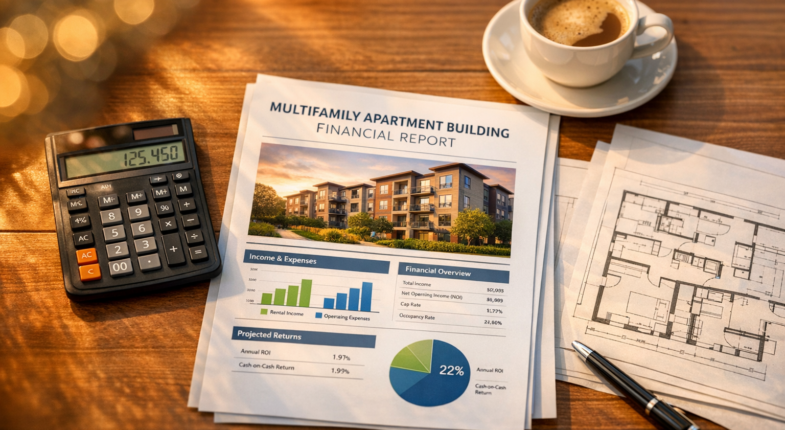
The lowest percentage fee is not necessarily the most affordable option in practice. A manager charging 7% who marks up every repair and bills separately for renewals can cost more than one charging 9% with those services bundled in. The only way to see this is to map out what a basic year of costs would look like under each fee structure.
This matters even more in San Diego’s current market; cap rates on multifamily properties run tight. When your net operating income doesn’t have room, management costs have an effect on your returns. A fee structure that looks affordable can quietly compress your NOI in ways that compound over time.
Ask every manager you review for an itemized fee schedule, then go line by line. Look for anything that’s vague or labeled as a miscellaneous charge. A manager who is transparent about how they bill is usually easier to work with. That matters when things get tough.
Vendor Networks and Maintenance Oversight as a Profit Lever
Fees are only part of the cost picture. A property manager’s vendor relationships can quietly optimize your margins just as much as their management rate does.
Some managers run in-house maintenance teams. Others coordinate a network of third-party contractors for plumbing, electrical, HVAC, and general repairs. Neither model is automatically better. But each one comes with trade-offs worth scrutinizing.
In-house teams can mean faster response times and predictable labor costs. The downside is that you’re relying on a small pool of skill sets, and you don’t always have visibility into how those labor hours get billed. Third-party contractors bring more flexibility. But the manager controls who gets called and at what rate - which opens the door to markup practices that aren’t always spelled out in your contract.
Markups on vendor invoices are all too common in this industry. A manager might pay a plumber $180 for a job and bill you $225; it’s not necessarily wrong. But the goal is to know it’s happening.
Ask the manager directly if they receive referral fees, rebates, or any financial benefit from the vendors they use. A good manager will answer that question without any unnecessary delays. If the answer is vague, that’s worth noting as a potential property management red flag.

You should also ask for a vendor list. Look at whether those vendors are licensed and insured, and check how long those relationships have been in place. A manager who has worked with the same reliable contractors for years is in a much stronger position to get better pricing and prioritized scheduling than one who is always finding new trades.
Response time standards matter more than they might appear, and that’s especially true with older Class B and C properties where small problems can become expensive ones fast. A slow repair cycle on a water intrusion issue or a failing HVAC unit does damage to your asset value over time and frustrates tenants enough to push them toward the exit at renewal.
Deferred maintenance is one of the quieter ways multifamily properties lose value. The manager you choose has control over whether that happens on your watch.
Leasing Strategy, Tenant Screening, and Renewal Rates
Finding tenants and keeping them is where a property manager can make or lose you money. A strong leasing process matters just as much as maintenance, and it’s worth looking at closely before signing anything.
Start with days on market. A well-run multifamily manager in San Diego should be able to tell you their average time to fill a unit and explain what drives that number. San Diego’s rental demand is usually strong, but competition between properties is real, and a manager who lists units late, uses low-quality photos, or skips syndication to the major rental sites will cost you weeks of lost rent. Ask which sites they use to advertise and how quickly they move from vacancy to active listing.
Screening is where things get legally sensitive. A manager applies the same written criteria to every applicant - income thresholds, credit benchmarks, rental history - and documents the process. This protects you from fair housing liability and also gives you better results. If a manager can’t talk about their screening standards or explain them, that’s worth noting.

Renewal rate is one of the most underrated numbers in property management. Turnover in a multifamily property isn’t free - there’s lost rent during vacancy, cleaning and paint, leasing time, and sometimes light repairs. A manager who keeps tenants in place through quick outreach and reasonable lease renewal terms saves you all of that. Ask for their portfolio-wide renewal rate and what their process looks like in the 60 to 90 days before a lease expires.
In San Diego specifically, rents have climbed and tenant protections have expanded, so renewal strategy has to be a deliberate consideration. Pushing rent increases too aggressively can trigger turnover that ends up costing more than the increase was worth. A manager who thinks through that math - and can talk to you about the value of keeping good tenants long-term - is doing their job well.
The leasing side of property management is part art, part process. A manager who treats it as an afterthought will show you that pretty quickly through their numbers.
Communication Habits and Red Flags That Show Up Early
A property manager can have great systems on paper and still make you feel in the dark. What you want is a manager who reaches out on a set schedule - monthly owner statements, quick updates on maintenance, and a direct way to escalate anything urgent. You should never have to chase anyone down to find out what’s going on at your property.
Good communication also means learning about what gets escalated and when. A minor repair handled without your input is fine. A tenant dispute or a possible eviction should never come as late news. Ask candidates directly: what types of situations trigger an immediate call to the owner?
Remember to watch how they answer questions about data. If asked about their eviction rate and they get vague or defensive, that’s worth noting. A manager who tracks that number and understands it will talk about it without any unnecessary delays - even if the number isn’t perfect.

Resistance to letting you review lease files is another thing to watch for. You own the property and have every right to look at the documentation that governs your tenants. A manager who treats that request as an imposition may be protecting something you’d want to know about.
Staff turnover at the management company is easy to forget during an interview. High turnover means the people who know your property keep changing and institutional knowledge gets lost - it’s worth asking how long the leasing coordinator and maintenance point person have been in their roles.
Trust your read on how they communicate with you during the evaluation process itself. If emails go unanswered for days or answers feel rehearsed instead of genuine, things probably won’t improve after you sign a contract. You’re not looking for perfection - you’re looking for a person who treats you like a partner and keeps you well-educated without being asked.
The managers who do this well have nothing to hide and know it. That confidence shows up in how they talk about their work and how freely they share information with prospective owners.
Choosing Right the First Time Saves More Than Money
As you look at candidates or review your latest management relationship, keep the core criteria front of mind:

- Data transparency: Are you getting clean, timely reporting you can actually act on?
- Fee clarity: Do you understand exactly what you’re paying and why?
- Vendor integrity: Are maintenance costs reasonable and relationships arms-length?
- Leasing performance: Are vacancies being filled quickly and at competitive rents?
- Communication: Is your manager responsive, proactive, and easy to hold accountable?
Treat this as a living process. A manager who performs well in year one should still be reviewed annually against the latest market benchmarks. Markets change, teams change, and complacency sets in. Periodic evaluation protects you from slow deterioration that’s easy to miss quarter to quarter. If you’re weighing whether to self-manage or hire a property manager, that question deserves the same rigor.
If you’re still in the earlier stages of your search and want a wider framework, our guide on how to choose a multifamily property manager is a strong place to start. The right manager will protect your property and actively work to strengthen it; it’s the standard worth holding to.
FAQs
What occupancy rate should a San Diego property manager achieve?
A strong San Diego property manager should hit at least 93% occupancy, matching the national benchmark. Given San Diego’s tight vacancy rates-Class B and C sitting at 3.3% as of Q1 2026-well-run properties should rarely sit empty between tenants.
How do I avoid being misled by occupancy figures?
Ask how the manager defines “occupied” and whether any leases include rent concessions. Some managers count units under notice to vacate as occupied, or fill units quickly with below-market concessions, inflating reported occupancy without reflecting true performance.
Are lower property management fees always better?
Not necessarily. A manager charging a lower base rate may add leasing fees, renewal charges, and maintenance markups that make them more expensive overall. Always request a full itemized fee schedule and model out total annual costs before comparing managers.
What renewal rate should I expect from a quality manager?
A quality manager should maintain strong portfolio-wide renewal rates and have a deliberate process starting 60-90 days before lease expiration. Tenant turnover costs real money through lost rent, repairs, and re-leasing time-especially in San Diego’s high-value market.
What data should I request when evaluating a property manager?
Request 12-24 months of data covering occupancy rate, average days to lease, lease renewal rate, eviction rate, and percentage of market rent achieved. A professional manager should provide this readily; hesitation or inability to produce it is a red flag.
Ready to Talk About Your Multifamily Property?
Palm Tree Properties helps San Diego owners with reporting, maintenance, vendor oversight, and day-to-day management. Schedule a free consultation and see how we can support your investment.
Schedule a Free Consultation