
Multifamily ownership comes with real financial complexity. Between multiple units, different lease terms, fluctuating expenses and lender requirements, the margin for reporting uncertainty is wide. Whether you’re preparing for a refinance, a year-end review, or simply trying to stay well-informed between distributions, the quality of the information you receive from your management team directly shapes the decisions you can make.
That’s where property management owner reporting can become more than a back-office task - it can become a core part of how your investment performs. Good reporting doesn’t just confirm what happened last month - it gives you the visibility to spot patterns, ask the right questions, and stay ahead of problems before they affect your bottom line.
I’ll walk through how owner reporting works specifically for multifamily properties: what a well-structured owner statement in property management usually includes, how reporting cycles are set up, and what to look for when evaluating whether your current setup is actually working.
Key Takeaways
- Owner statements consolidate gross rent, vacancy loss, expenses, NOI, reserves, and distributions into one financial summary.
- Reporting frequency depends on portfolio size, property complexity, lender covenants, and individual owner preference.
- HUD-assisted properties face a strict 90-day filing deadline, with audit requirements varying based on federal assistance amounts.
- State reporting mandates can differ significantly from federal requirements, creating multiple compliance timelines for owners.
- Poor reporting delays refinancing, risks lender covenant breaches, causes tax filing penalties, and erodes owner-manager trust.
What an Owner Statement Actually Includes
An owner statement is a financial summary that shows what happened with your property over a set period- it pulls together income, expenses and distributions into one place so you can see the full picture without digging through receipts or spreadsheets.
Most statements follow a similar structure- even if the layout changes from one management company to the next. Here are the core line items you can expect to see.
| Line Item | What It Represents |
|---|---|
| Gross Rent Collected | The total rent received from all units during the period |
| Vacancy Loss | Rent that wasn’t collected because units were empty or tenants didn’t pay |
| Operating Expenses | Costs to run the property - maintenance, utilities, insurance, and so on |
| Management Fees | What your property manager charges for their services |
| Net Operating Income | What’s left after expenses are subtracted from income |
| Reserve Balance | Funds set aside to cover future repairs or unexpected costs |
| Owner Distribution | The amount sent to you after all deductions |
The distribution line is usually what owners look at first, and that makes sense. The lines above it tell you why that number is what it is.
Vacancy loss is worth mentioning on a multifamily property because it reflects performance across multiple units at once. A few empty units can move that number in a meaningful way - and the real cost of vacancy adds up faster than most owners expect. Reserves are also easy to forget since that money stays in the account instead of coming to you. But it belongs to you and it matters when a big repair comes up.
Some statements also have a beginning and ending cash balance so you can track how the account moved over the period. Not every management company includes this by default, so it’s worth asking about if you don’t see it.
How Reporting Cadence Is Decided
Monthly reporting is the most common setup for active investors and bigger portfolios - it keeps owners close to their numbers and makes it easier to catch a rent shortfall or an expense spike before it can become a problem. Quarterly reporting tends to be more helpful for hands-off owners with stabilized assets that don’t need much attention between cycles.
A few things drive the choice at once. Lender covenants can set a floor here - some financing agreements spell out how frequently the borrower needs to produce financial reports; it’s a condition of the loan, not a preference.
Portfolio size matters too. If you own two properties, monthly reports are easy to read. If you own twenty, monthly reporting across the board can create an administrative load for your management team.
Property difficulty is another factor worth thinking about. A mixed-use building with retail tenants, shared utilities, and variable operating costs needs tighter oversight than an easy twelve-unit residential building with flat-rate leases. The more moving parts a property has, the more value you get from frequent reporting.
Owner preference factors in too, and it’s worth being honest about what you actually want. Some investors like to stay close to the financials and review statements every month. Others prefer a quarterly summary and spend their time elsewhere. Neither strategy is wrong as long as it fits the asset.
The question is whether your current cadence was a conscious choice or just something you defaulted into. A lot of owners stick with whatever schedule their property manager set up first and never revisit it - it’s worth asking if that schedule still fits how you manage your portfolio now versus when you started.
Federal filing laws can also take the choice partly out of your hands. The next section covers which federal obligations apply to multifamily owners and how they use whatever internal reporting schedule you’ve set up.
Federal Filing Rules That Multifamily Owners Need to Know
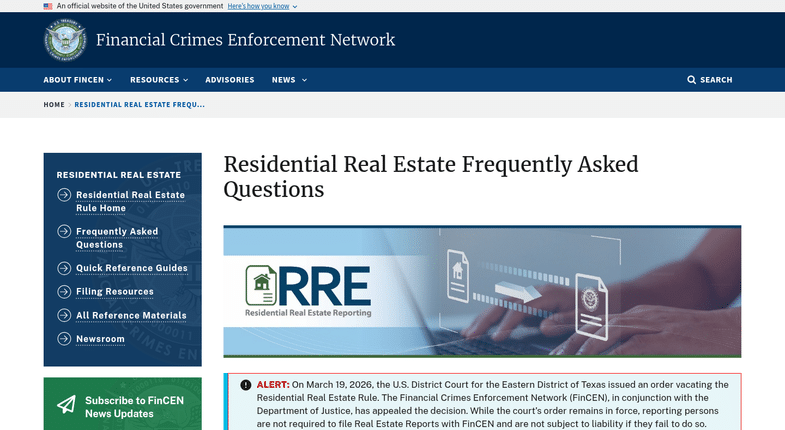
Some reporting timelines aren’t up for negotiation. If your property receives HUD assistance, federal laws under 24 CFR 5.801 set a hard 90-day window to submit your annual financial reports after the close of your fiscal year. Missing that window isn’t just an administrative inconvenience - it can affect your standing with HUD.
The type of submission you’re responsible for can depend on how much federal assistance your property receives. Under HUD Housing Notice H 2013-23, owners of projects that receive less than $500,000 in federal assistance can submit owner-certified financial statements prepared under GAAP instead of going through a full independent audit; it’s an actual distinction because it can affect cost and workload.

Once you cross that $500,000 threshold, a full audit comes into play. The laws here can vary slightly based on your ownership structure. Profit-motivated owners and non-profit owners each fall under different audit requirements, so it’s worth learning about which category applies to you to plan your reporting calendar.
| Ownership Type | Federal Assistance Level | Filing Type |
|---|---|---|
| Any owner | Under $500,000 | Owner-certified GAAP financials |
| Profit-motivated | $500,000 or more | Independent audit |
| Non-profit | $500,000 or more | Single audit under 2 CFR Part 200 |
There’s another layer worth knowing about. Roughly 1,200 properties across the country receive subsidies from HUD and USDA at the same time. When that happens, agencies have reporting expectations and those expectations don’t always line up neatly. Owners in that situation are managing two parallel sets of federal obligations, each with its own timelines and formats.
The federal laws described here create a baseline that applies regardless of where your property is located. What gets layered on top of that baseline is where things start to get more complex - it’s what the next section covers. If you want a broader look at how apartment building management works day to day, that context can help frame why these compliance layers matter at the operational level.
State-Level Reporting Rules That Can Add to the Mix
Federal laws are only part of the picture. Many states have their own reporting mandates, and they don’t always line up with federal timelines or data requirements. That means compliance at the federal level doesn’t automatically mean you’re in compliance at the state level.
New Jersey is an example of how this plays out in practice. The state amended its Multiple Dwelling Registration and Reporting laws in April 2025 to cover owners of 25 or more units. Under the updated laws, data collection begins in January 2026 and the first reports are due in January 2027; it’s a different schedule compared to what federal frameworks follow, so owners in New Jersey need to track two separate timelines at once.
The data requirements can also vary. A state might want more granular information about unit types, tenant demographics, or maintenance history than the federal government collects. So even if your federal filings are complete and accurate, a state audit could show gaps in what you’ve been tracking locally.

State laws can change with pretty short notice. New Jersey’s April 2025 amendment gave owners less than a year to prepare for new data collection. If you’re not watching for legislative updates in your state, you can find yourself behind before the first deadline arrives.
The helpful takeaway is to check your state’s housing or real estate regulatory agency. What applies in one state does not match what another state requires. Some states have no extra mandates at all, and others have layered on requirements that go well past federal minimums. Knowing which situation you’re in lets you plan data collection, staffing, and reporting schedules with accuracy. In California, for instance, AB 1482 and rent control rules add another layer that landlords must track alongside any federal obligations.
If you own properties in multiple states, this gets more complicated, and each state operates independently, so you could be managing a few different reporting frameworks at once with different deadlines, different data fields, and different submission processes. Understanding whether to self-manage or hire a property manager becomes especially relevant when compliance demands span multiple jurisdictions.
How Property Managers Compile and Deliver Reports
Behind every owner report is a process that pulls data from a few places at once. Property management software - places like AppFolio, Buildium, or Yardi - connects rent collection, maintenance orders, vendor invoices and lease records into one system. That connected data is what makes it possible to generate a report at the end of each month without building it manually from scratch.
Automation handles most of the heavy lifting. But a human still needs to review the output before it goes to you. A property manager will check that costs landed in the right categories. That the timing lines up correctly between what was collected and what was actually owed. These two areas - expense categorization and timing - are where small errors like to appear most.
Timing mismatches are worth understanding on their own. If a tenant pays rent on the last day of the month, that payment might appear in the next reporting cycle depending on how the software is set up - this doesn’t mean anything is wrong. But it can make a month look lighter than it was.
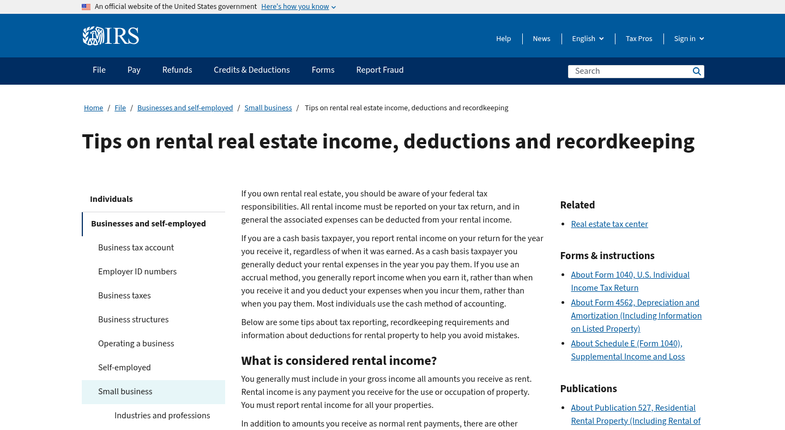
Expense categorization is a similar situation. A repair filed under the wrong account can throw off your records at tax time and make it harder to track spending by category over the year - it’s a small thing in the moment but worth catching early. Staying on top of this also helps when it’s time to review your top tax write-offs for rental property.
Once the report is ready, delivery formats can vary by management company. Most use a PDF attached to an email or a document uploaded to an owner portal inside the property management software. Some businesses give owners direct dashboard access so they can log in and pull their own numbers at any time.
Understanding this process gives you a better foundation to ask questions when something looks off. Instead of assuming a number is wrong, you can ask if it comes down to a timing difference or a categorization call. That question is a bit easier for a property manager to answer than a general concern about the totals.
Reading an Owner Report Without Getting Lost in the Numbers
A lot of owners receive their monthly report, look at the bottom line, and set it aside; it’s understandable - dense financial pages aren’t inviting. But knowing where to look first, the whole thing gets quite a bit less scary.
Start with your Net Operating Income - the number that tells you if the property is performing well after costs are paid. You want to see it holding steady or moving upward over time. A single dip isn’t a crisis. But a downward trend across a few months is worth a conversation with your property manager.
Next, check your reserve balance. Reserves are there to manage unexpected repairs without pulling money from your own pocket. If that balance is low and your property has older systems or aging appliances, you’re in a fragile position - even if everything else looks fine on paper.
Then scan your line items for anything that looks out of place. Something like “Line 14 - Repairs & Maintenance” running double what it did last month should have a note attached to it. Good reporting explains the spikes. If a line is elevated and there’s no explanation anywhere in the report, that’s something to follow up on. Understanding the difference between routine maintenance and capital improvements can also help you interpret what those charges actually mean.

It also helps to compare the latest month against the prior two or three months instead of reading any one report in isolation. Patterns tell you more than a single data point ever can. Your property manager should make that comparison easy by formatting reports month to month.
One more thing to watch is vacancy-related income loss - this sometimes appears as a separate line and shows the difference between what you collected and what full occupancy would have produced. It’s a helpful number to track even when occupancy is high - it keeps you honest about what the property is actually doing versus what it could do. One factor that directly shapes that number is how your rent is priced relative to the market.
You don’t need to know every line to get value from these reports. Focus on NOI, reserves, and anything that changed meaningfully from last month. That alone puts you well ahead of most owners who never open the file. And if you’re evaluating whether your current management setup is actually delivering on reporting and transparency, it’s worth understanding what cutting corners on fees can really cost you.
When Reporting Breaks Down and What It Costs Owners
Good reporting keeps everything moving. When it breaks down, the effects show up in places that matter - refinance applications, lender conversations, and tax filings that depend on accurate numbers from months earlier.
Federal filing deadlines don’t move. If a Schedule K-1 goes out late because the property’s financials weren’t tracked well through the year, partners miss their own deadlines. That creates penalties that fall on people who had nothing to do with the reporting failure - it also damages trust in ways that take a long time to repair.
Lenders are another pressure point. Many multifamily loans include financial covenants that require the borrower to maintain debt coverage ratios. If an owner can’t produce accurate monthly or quarterly reports, they might not even know when they’re approaching a breach. By the time a lender flags it, the window to fix it has already closed.

Refinancing is where stale data does the most damage. A lender underwriting a new loan wants to see clean, steady financials - usually two to three years of them. If the reporting has been inconsistent or incomplete, that history is hard to reconstruct. Deals stall at that stage, and the delay costs money in rate locks, extension fees, and missed market timing.
The owner-manager relationship is harmed too. When an owner has to ask the same question three times to get a straight answer, or when a report shows numbers that don’t match the bank statement, confidence erodes - and it’s not a small thing. Most owners depend heavily on their property manager’s reporting because they’re not on site every day.
Reporting is less like a deliverable and more like infrastructure. A road with potholes still gets you somewhere. But it slows everything down and causes damage along the way. Reporting that’s inconsistent, delayed, or built on weak data creates friction at every choice point, from approving a capital expense to deciding whether to sell.
The properties that run well over the long term tend to have one thing in common. Watch for the warning signs early - the reporting was never an afterthought.
Making Owner Reporting Work Harder for Your Investment
The difference between passive and active reporting often depends on how you use it. Owners who review their financials, ask questions, and hold their management team accountable to transparency tend to catch problems earlier, respond faster, and grow with more confidence. If you’re not sure if your current reporting setup is giving you what you need, that’s worth a direct conversation with your property management team.

To learn about how professional management supports multifamily owners at every stage, visit our multifamily property management services page. The more you understand your statements, the better positioned you are to protect what you’ve built - and build more.
FAQs
What does an owner statement typically include?
An owner statement includes gross rent collected, vacancy loss, operating expenses, management fees, net operating income, reserve balance, and owner distribution. These line items together show you exactly where your money came from and where it went during the reporting period.
How often should multifamily owners receive reports?
Monthly reporting is most common for active investors and larger portfolios. Quarterly reporting suits hands-off owners with stabilized properties. Lender covenants, portfolio size, and property complexity also influence the appropriate reporting cadence.
What is the HUD annual report filing deadline?
HUD-assisted properties must submit annual financial reports within 90 days after the close of the fiscal year, as required under 24 CFR 5.801. Missing this deadline can negatively affect your standing with HUD.
Do state reporting rules differ from federal requirements?
Yes. States can impose additional reporting mandates with different deadlines and data requirements than federal frameworks. For example, New Jersey’s updated rules cover owners of 25 or more units, with separate timelines starting in 2026.
What happens when owner reporting breaks down?
Poor reporting can delay refinancing, cause lender covenant breaches, trigger tax filing penalties, and damage trust between owners and property managers. Inconsistent financial records make it difficult to reconstruct accurate historical data when lenders require it.
Ready to Talk About Your Multifamily Property?
Palm Tree Properties helps San Diego owners with reporting, maintenance, vendor oversight, and day-to-day management. Schedule a free consultation and see how we can support your investment.
Schedule a Free Consultation