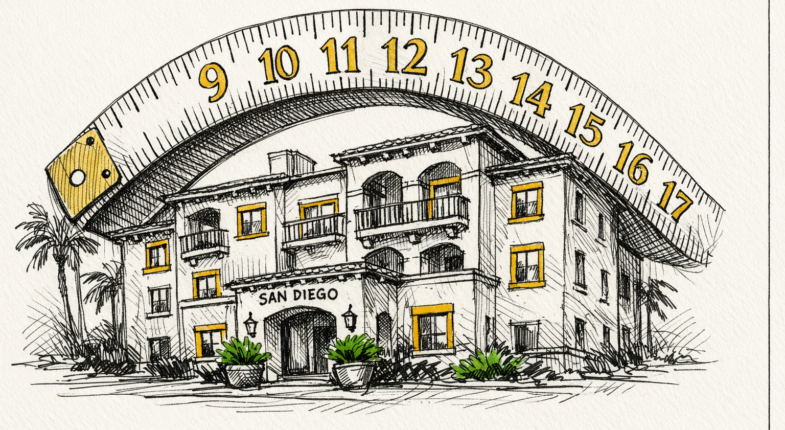
San Diego is not Phoenix. It is not Austin. The tenant base, the building stock, and the regulatory environment here are distinct enough that generic renovation advice tends to mislead more than it helps. A $15,000 kitchen gut that earns a landlord a $400 rent bump in Scottsdale might return half that in a 1960s North Park fourplex - or nothing at all if the unit already commands top dollar for the submarket. What works is learning about which upgrades justify a rent increase renovation San Diego investors underwrite and defend at lease renewal.
This guide cuts through the noise. Every renovation talked about here is grounded in what San Diego owners and property managers have documented across assets from Chula Vista workforce housing to mid-tier buildings in City Heights and Kearny Mesa. If a scope of work does not have a basic, defensible return in this market, it does not appear in this guide. The goal is a short, helpful list you can bring to a contractor meeting or a lender conversation - not a theoretical framework for a city three states away.
Key Takeaways
- AB 1482 caps most San Diego rent increases at 5% plus local CPI, making strategic renovation choices essential for profitability.
- Minor kitchen remodels recoup 129.1% of costs in the Pacific region; major remodels only recoup 57.2%, favoring targeted upgrades.
- Steel entry door replacements offer the highest ROI at 205.4% recouped, yet are frequently overlooked by rental property owners.
- ADUs can increase property appreciation by roughly 22-30% and restructure overall property value through added rental income.
- Renovating vacant units first, then exteriors, then ADUs helps protect cash flow and simplifies California legal compliance.
Why San Diego’s Rent Cap Changes the Math on Every Upgrade
California’s AB 1482 puts a ceiling on how much you can raise rent each year on covered properties. That ceiling is set at 5% plus local CPI, and as of August 2024 the Southern California Rental Housing Association placed that CPI figure at 3.6%. That puts the latest cap at 8.6% annually.
On a unit renting for $2,200 a month, that cap works out to roughly $189 more per month at the absolute maximum; it’s $2,268 in added annual income from one unit if you hit the full allowable increase.
That number matters because if your renovation isn’t positioned to close that gap fast, you could be waiting years to see a return. A landlord who spends $15,000 on a full kitchen overhaul but only raises rent by $75 a month is looking at a 16-year payback window; it’s not a reason to stay away from renovating - it’s a reason to be strategic about what you renovate.
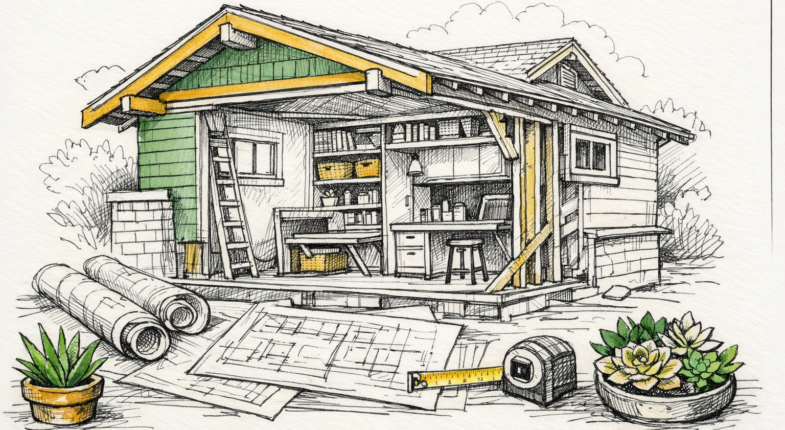
AB 1482 also doesn’t apply to every property. Single-family homes and condos owned by private landlords are usually exempt, as are buildings constructed within the last 15 years. So your first step is to know where your property stands before budgeting anything.
For properties that are covered, the rent cap means upgrades need to earn their place. You want to choose renovations that justify the highest allowable increase and also keep tenants from leaving between lease terms. Turnover is expensive, and a well-timed upgrade can make renewal the easier choice for a tenant.
The cap also can affect timing. Landlords who renovate between tenancies have more flexibility to reset rent closer to market rate, depending on exemptions; it’s a different calculation than renovating mid-tenancy for a covered long-term resident.
The question I’ll build on throughout is an easy one: given a hard ceiling on annual increases, which upgrades generate the most rent per dollar spent - and how fast?
The Renovations With the Strongest ROI Numbers in This Region
Not all renovations return the same value, and the difference between the best and worst performers in the Pacific region is wider than most landlords expect. Zonda’s 2025 Cost vs. Value Report breaks this down clearly, and the numbers make a strong case for thinking small before thinking big.
A minor kitchen remodel in the Pacific region recoups around 129.1% of its cost. A major kitchen remodel recoups about 57.2%. That difference is not a rounding error - it fits a pattern where low-cost, high-perception upgrades outperform full gut renovations in this market.
The steel entry door result is worth a close look. At a cost of roughly $2,545, it recoups around 205.4% of that cost in added resale and rental value - it’s one of the highest-performing upgrades in the entire report, and one that rental property owners forget because it feels too easy to matter.
These numbers point to a wider truth about how renters in San Diego perceive value. A tenant does not tour an apartment and mentally calculate your renovation budget. They respond to what looks fresh, functional, and well-maintained.
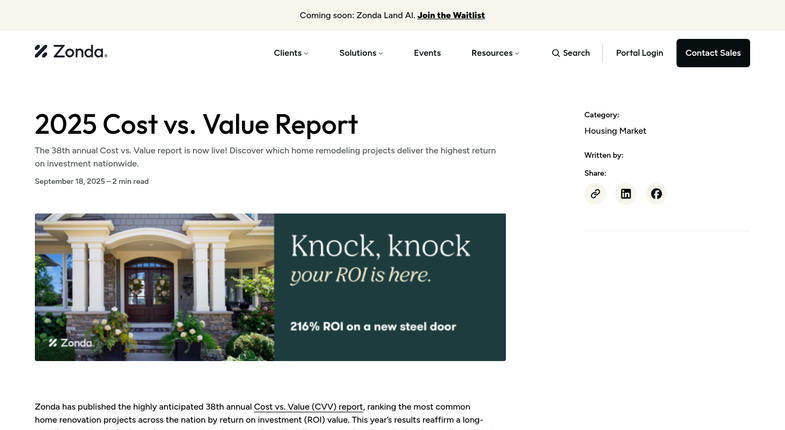
| Renovation Type | Approximate Cost | Value Recouped (Pacific Region) |
|---|---|---|
| Steel Entry Door Replacement | ~$2,545 | 205.4% |
| Minor Kitchen Remodel | Moderate | 129.1% |
| Major Kitchen Remodel | High | 57.2% |
San Diego’s rental market rewards upgrades that signal quality without destroying your margin on day one. The logic holds especially well here because construction costs in this region are high, which means every dollar spent on a full renovation has less room to give you a return.
Targeted improvements to what tenants actually see and use on a daily basis move the needle more than overhauls. That is a helpful frame to carry into the room-by-room decisions ahead.
Kitchen and Bathroom Upgrades That Justify a Rent Bump
A “minor” kitchen remodel in a rental unit is not a full gut job - it’s cabinet refacing, updated hardware, a countertop overlay, and a new faucet or light fixture. Done right, it will change how a unit feels without crossing into overcapitalization territory.
That line matters quite a bit in San Diego. Tenants in neighborhoods like North Park and Logan Heights have higher expectations than they did five years ago. But that does not mean they need a chef’s kitchen. They want clean, modern, and functional - and a cosmetic refresh can get you there for a fraction of what a full remodel would cost.
A basic per-unit budget for a kitchen refresh in this range sits between $4,000 and $9,000 depending on unit size and existing conditions. That spend can support a rent increase of $150 to $300 per month in most San Diego submarkets. The math works. But only if you stay disciplined about what you actually replace.
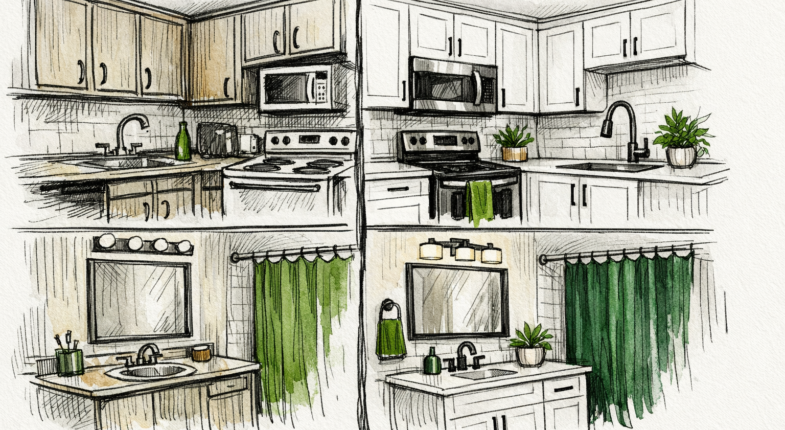
Bathrooms follow a similar pattern. New vanity lighting, a modern mirror, updated fixtures, and re-grouted or reglazed tile can make a dated bathroom feel like a different room entirely. Full tile replacement is not necessary and does not pencil out in a rental context.
City Heights is an example of a submarket where tenants are willing to pay more for updated finishes but are not expecting luxury. A clean, well-lit bathroom with no visible wear goes a long way. The goal is not to compete with a hotel - it’s to remove the friction that makes tenants choose a different unit.
One thing to watch is the temptation to over-spec materials. Quartz countertops look great but cost more than a laminate overlay that photographs just as well. In a rental unit, durability and appearance matter more than material prestige. Choose finishes that hold up through tenant turnover without demanding premium rents to justify the spend.
Per-unit renovation budgets and expected rent bumps can change quite a bit based on latest market conditions in each neighborhood.
| Upgrade Type | Estimated Cost (Per Unit) | Potential Monthly Rent Increase |
|---|---|---|
| Cabinet refacing and new hardware | $1,500 - $3,000 | $75 - $150 |
| Countertop overlay | $800 - $1,800 | $50 - $100 |
| Kitchen fixture and lighting update | $500 - $1,200 | $25 - $75 |
| Bathroom vanity and lighting refresh | $1,000 - $2,500 | $75 - $150 |
| Tile reglaze and re-grout | $300 - $700 | $25 - $50 |
Exterior and Common Area Improvements That Raise Perceived Value
Individual unit upgrades get attention. But the shared spaces and exterior of your building shape how prospective tenants feel about the property before they ever step inside a unit. That first impression carries weight when a tenant is picking between two listings at a similar price point.
A steel entry door replacement is one of the easier improvements you can make - it reads as protected and well-maintained, and it sets a tone for the whole building. Fresh exterior paint and updated lighting along walkways or in parking areas work in a similar way - they signal that the property is actively managed and cared for.
Landscaping is worth more than most people give it credit for. You don’t need anything elaborate; clean lines, healthy plants, and mulched beds do the job. You want to show that the grounds are maintained, and that tells prospective tenants something about how you run the building.
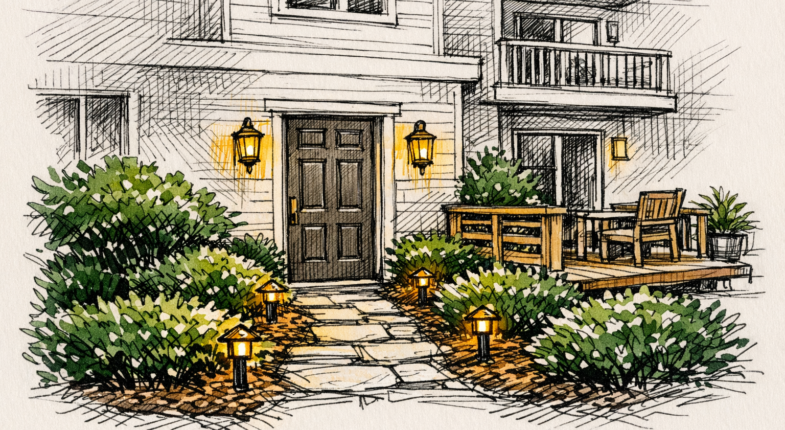
Common areas like laundry rooms and mailbox stations are easy to forget because they are functional spaces - not glamorous ones. But a laundry room with lighting, a fresh coat of paint, and clean machines feels less like a chore to use. Small improvements there give you tenant satisfaction in a way that supports lease renewals.
If your property has space for an outdoor deck or patio area, it’s worth taking. According to data from Zonda, wood deck additions recoup around 102.5% of their cost at resale - which is a strong signal that this type of improvement holds financial value.
The ROI from exterior and common area work is not necessarily captured in a single rent increase. A lot of the return comes through leasing velocity - units fill faster when the property looks well-kept from the street. Vacancy is expensive, and a building that photographs well and shows well spends less time vacant. That is its own measurable return - even when the rent increase itself is modest.
Exterior improvements also lift the ceiling for all units at once instead of improving just one at a time.
Adding an ADU in San Diego - Permits, Payoff, and What to Expect
San Diego issued more than 2,200 ADU permits in 2025, and that number tells you something helpful: owners are treating ADUs less like a bonus and more like a core part of their investment strategy. It makes sense to look at what an ADU does to a property’s income and value.
The FHFA found that properties with ADUs appreciate about 22% more than comparable properties without them. In San Diego, a detached unit around 1,200 square feet can push that appreciation closer to 30%. That upside is hard to get from any other single renovation.
What Type of ADU Works Best
Garage conversions are the most common starting point because the structure is already there. You’re mostly paying for interior work, insulation, electrical, and plumbing - which costs less than building from scratch. Detached backyard units cost more to build but command higher rent because they feel more like a separate home.
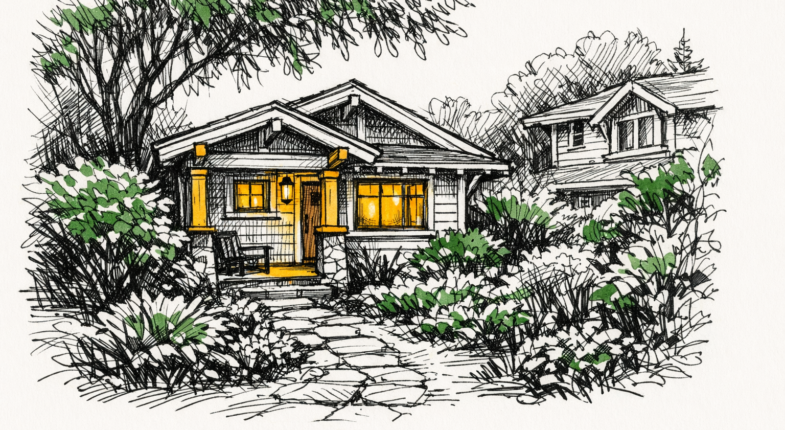
The unit type you choose depends heavily on your lot, your existing structure, and your budget. A converted garage in a walkable neighborhood can rent for $1,500 to $2,000 per month in parts of San Diego. A well-built detached unit can reach $2,500 or more.
Permits and Realistic Timelines
San Diego has streamlined its ADU permitting process over the past few years, and pre-approved plans are available through the city to speed things up. Plan for a permit timeline of three to six months in most cases, depending on the difficulty of the project and your lot’s zoning. Construction can add another three to six months on top of that.
It’s not a fast project. But the financial case is strong once it’s done.
How ADU Income Changes Your Property’s Value
Rental income from an ADU flows directly into your net operating income, and NOI is what commercial and multi-unit property valuations are built on. Adding $1,800 per month in rent can meaningfully raise what a buyer or lender sees your property as worth; it’s what makes an ADU different from a kitchen upgrade - it doesn’t just draw tenants, it restructures the financial profile of the whole property.
How to Pass Renovation Costs Through to Rent Legally in California
California law does allow landlords to raise rent after capital improvements. But there’s a process you have to follow. Skipping steps - even one - can void your ability to collect the increase.
Under California’s capital improvement pass-through laws, you can recover a part of qualifying renovation costs by adding a temporary or permanent rent increase. The improvement usually needs to benefit the tenant directly and be a long-term upgrade to the property instead of scheduled maintenance. Replacing old appliances, upgrading plumbing, or installing new flooring usually qualifies. Repainting a unit or fixing a broken fixture does not.
What AB 1482 Means for Your Renovation Plans
AB 1482 caps annual rent increases for most California apartments at 5% plus local CPI. But it includes an exemption for major rehabilitation. If a property has been substantially rehabilitated, it may be exempt from that cap altogether. The definition of “substantial” is not casual - it means structural or system-level work, and you’ll want to document everything to support that classification if you go after it.
Many landlords miss this exemption because they don’t know to look for it - it’s worth talking to a California-licensed attorney before starting a large renovation if rent control applies to your property.

Documentation and Notice Are Not Optional
To pass costs through legally, you’ll have to keep records of what was spent and why. Invoices, permits, and contractor agreements all matter here. You also need to give written notice to tenants before the new rent takes effect - California law sets timelines for this depending on the size of the increase.
The most common landlord mistake is finishing the renovation and then raising the rent informally without notice. That can expose you to legal challenges and force you to refund the difference.
A second mistake is not connecting the rent increase to the improvement in writing. If a tenant disputes the increase later, you need a paper trail that links the cost to the new rent amount. Build that documentation habit from the start of the project.
Sequencing Renovations Across a San Diego Portfolio to Maximize Returns
When you own multiple units or buildings, the order you renovate in matters just as much as what you renovate. Getting the sequence right protects your cash flow and lets each completed project help fund the next one.
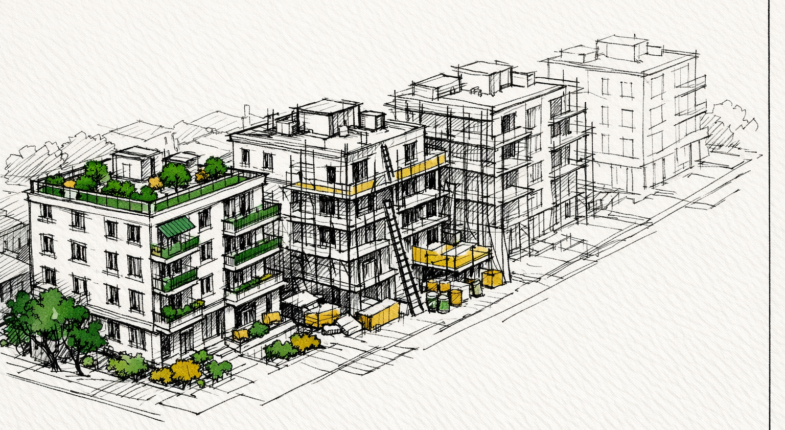
Start with exteriors and shared spaces before touching any individual unit. First impressions drive leasing momentum, and a cleaned-up facade or refreshed common area lifts the perceived value of every unit in the building at once. That makes it easier to hold rent on occupied units while you work through the rest of the property.
From there, prioritize unit turns - apartments that are already vacant between tenants. These let you renovate without displacement problems and without running into California’s laws around occupied-unit work. Once turnover units are upgraded and re-leased at a higher rent, you have market data to support increases elsewhere in the building.
Save ADUs for last. Permitting timelines in San Diego can stretch for months, and the construction period creates noise and access disruptions that tenants notice - it makes more sense to stabilize your existing units first and treat the ADU as a second phase once everything else is running.
Your submarket also shapes what to prioritize and when. Coastal submarkets like Pacific Beach or La Jolla tend to reward interior finishes because renters there are comparing your unit against high-end competition. Inland submarkets like El Cajon or Santee respond more to functional improvements - in-unit laundry, parking, and energy efficiency tend to move the needle there. The urban core around downtown and North Park sits somewhere in between; walkability already does some of the heavy lifting and unit-level upgrades close the deal.
The goal of sequencing is to keep income coming in while work is happening - not to pause everything for a full overhaul. A phased strategy also gives you time to watch how the market responds before rolling the same upgrades across every unit. That flexibility is worth quite a bit in a rental market that moves as fast as San Diego’s does.
Build Smarter, Not Bigger - Your San Diego Renovation Playbook
Before you greenlight any project, take a slower pass through your existing portfolio. The property you’ve owned for seven years may have more untapped upside - one or two targeted improvements could justify an actual rent adjustment at the next lease turn; it’s the discipline that separates a profitable rent increase renovation in San Diego from an expensive one.
Your clearest next step is to choose one unit and run it through the ROI framework covered above. Map out the basic post-renovation rent, estimate your all-in project cost, and calculate your payback period before a single dollar leaves your account. That one exercise, done, will tell you more than any contractor bid or design consultation ever could.
FAQs
What does AB 1482 mean for San Diego landlords?
AB 1482 caps annual rent increases for most California apartments at 5% plus local CPI. As of August 2024, this puts the cap at 8.6% annually, making strategic renovation choices essential for maximizing returns.
Which renovation offers the highest ROI in San Diego?
Steel entry door replacements offer the highest ROI, recouping approximately 205.4% of their roughly $2,545 cost. Minor kitchen remodels also perform strongly, recouping around 129.1% of costs in the Pacific region.
How much can a kitchen refresh raise monthly rent?
A minor kitchen refresh costing $4,000-$9,000 can support a rent increase of $150-$300 per month in most San Diego submarkets, making it one of the most cost-effective renovation options available.
Are ADUs worth adding to San Diego rental properties?
Yes. FHFA data shows properties with ADUs appreciate roughly 22% more than comparable properties without them. In San Diego, detached ADUs can push appreciation closer to 30% while generating $1,500-$2,500+ in monthly rental income.
What order should landlords renovate multiple San Diego units?
Start with exteriors and shared spaces, then renovate vacant units, and save ADUs for last. This sequence protects cash flow, avoids tenant displacement issues, and lets each completed phase fund the next.
Ready to Talk About Your Multifamily Property?
Palm Tree Properties helps San Diego owners with reporting, maintenance, vendor oversight, and day-to-day management. Schedule a free consultation and see how we can support your investment.
Schedule a Free Consultation